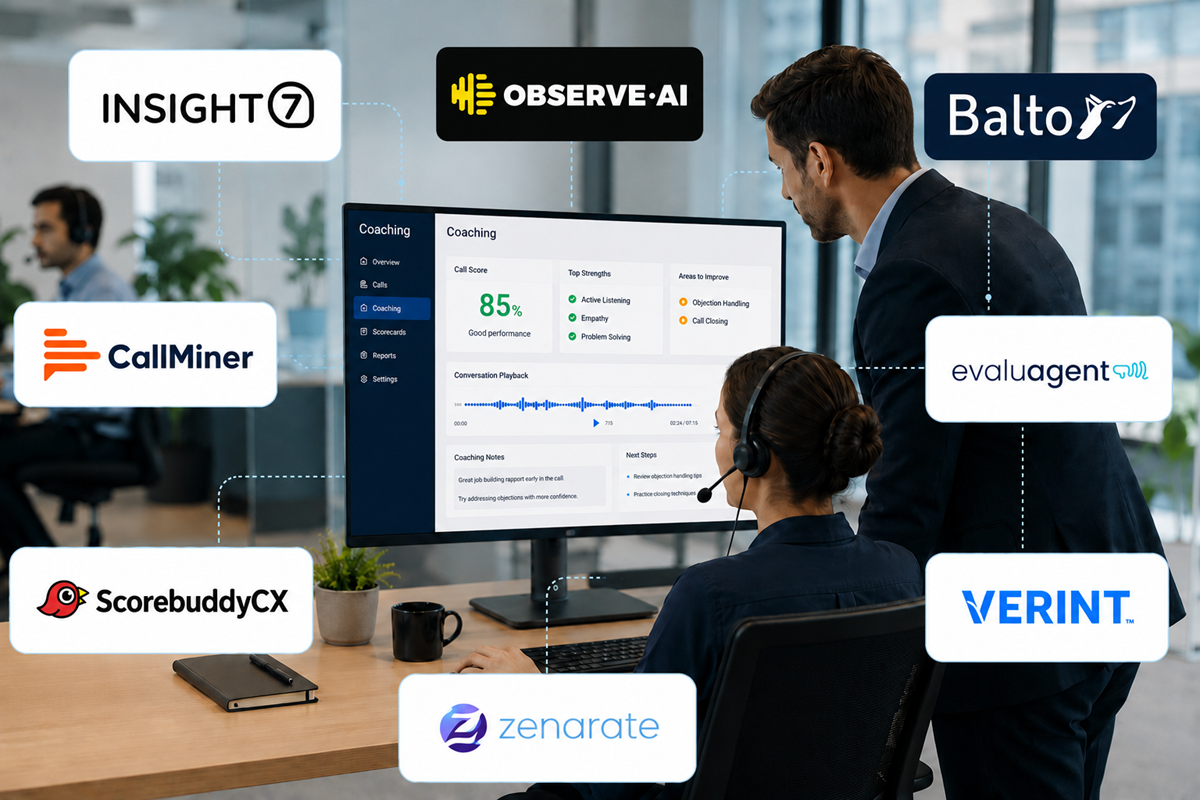
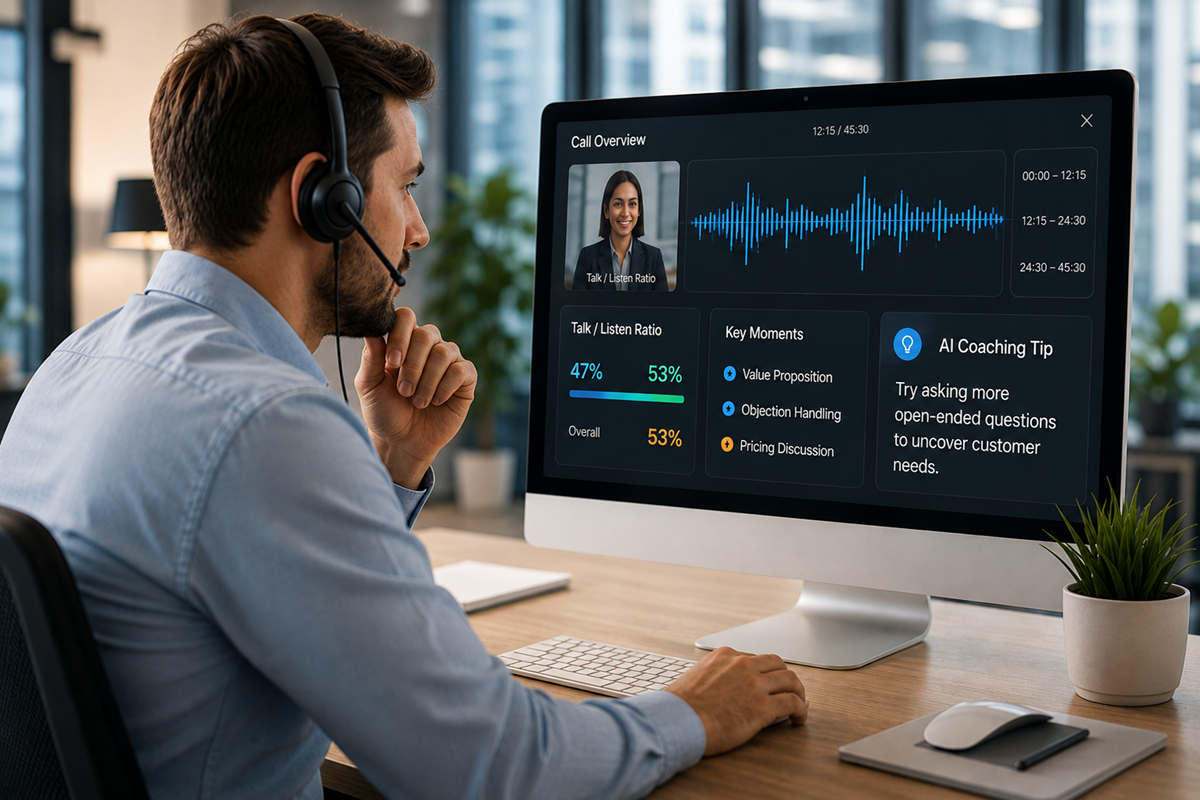
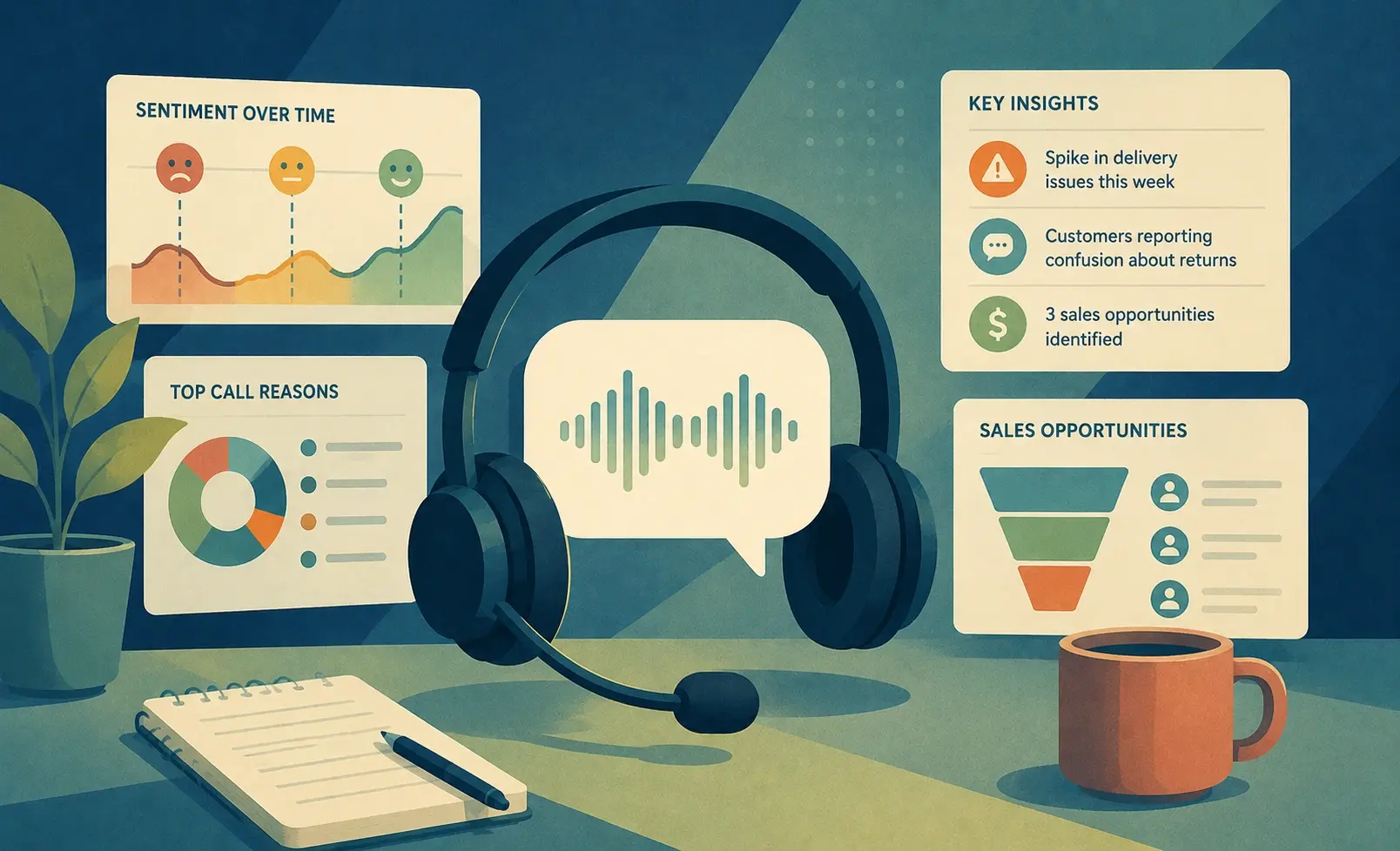
Creating AI scenarios for leadership skills coaching is a transformative approach that leverages advanced technology to enhance the development of leaders. By utilizing AI-powered analytics, organizations can gain insights into real conversations, identify skill gaps, and deliver personalized coaching recommendations. This method not only streamlines the evaluation process but also ensures that coaching is data-driven and tailored to individual needs. As leaders navigate the complexities of modern business environments, AI scenarios can help them refine their communication skills, emotional intelligence, and decision-making abilities. In this article, we will explore how AI can be effectively integrated into leadership coaching, the benefits it offers, and practical strategies for implementation, ultimately fostering a culture of continuous improvement and growth.
Creating Effective AI Scenarios for Leadership Skills Coaching
Creating effective AI scenarios for leadership skills coaching involves leveraging advanced AI technologies to enhance the development of leaders within organizations. By utilizing AI-powered call analytics, companies can gain valuable insights from real conversations, identify skill gaps, and deliver personalized coaching recommendations. This approach not only streamlines the evaluation process but also ensures that coaching is data-driven and tailored to individual needs. As leaders navigate the complexities of modern business environments, AI scenarios can help them refine their communication skills, emotional intelligence, and decision-making abilities.
To create effective AI scenarios, organizations should focus on several key strategies. First, they must ensure that the AI tools employed can automatically evaluate customer interactions, scoring them against custom quality criteria. This allows for a comprehensive analysis of conversations, capturing essential elements such as sentiment, empathy, and resolution effectiveness. By evaluating 100% of customer calls, leaders can gain a holistic view of their team's performance and identify areas for improvement.
Second, the integration of coaching and performance management capabilities is crucial. AI can generate actionable coaching insights derived from real conversations, enabling leaders to track agent performance and improvement over time. By identifying skill gaps, organizations can suggest targeted coaching recommendations that align with individual development needs. This personalized approach fosters a culture of continuous improvement, empowering leaders to enhance their skills effectively.
Third, organizations should leverage customer experience (CX) intelligence to uncover recurring pain points and sentiment trends. By identifying drivers of satisfaction and escalation, leaders can refine service processes and improve overall outcomes. Additionally, AI can detect upsell and cross-sell opportunities in real time, providing leaders with insights that can drive revenue growth while enhancing customer satisfaction.
To implement these strategies effectively, organizations should consider the following practical steps:
-
Define Custom Evaluation Criteria: Establish clear quality criteria that align with the organization's leadership development goals. This ensures that the AI evaluation process is relevant and focused on the skills that matter most.
-
Utilize Performance Dashboards: Create visual dashboards that allow leaders to track trends across agents and teams. This transparency helps identify high performers and those who may need additional support.
-
Incorporate Multilingual Support: For organizations operating in diverse markets, ensuring that AI tools can evaluate global conversations accurately is essential. This capability allows for a more inclusive coaching approach that considers cultural nuances.
-
Foster a Feedback Culture: Encourage leaders to regularly engage with the insights generated by AI tools. This can be facilitated through structured feedback sessions where leaders discuss their performance and areas for growth.
-
Continuously Monitor Quality and Compliance: Implement ongoing monitoring of quality and compliance to ensure that coaching remains effective and aligned with organizational standards. This proactive approach helps maintain high service quality and reinforces the importance of leadership development.
By integrating these strategies into their leadership coaching programs, organizations can create effective AI scenarios that not only enhance individual performance but also contribute to overall business success. The use of AI in leadership coaching represents a significant shift towards data-driven development, enabling leaders to thrive in fast-paced, high-pressure environments.
Q: What are the benefits of using AI in leadership skills coaching?
A: AI enhances leadership coaching by providing data-driven insights, identifying skill gaps, and delivering personalized coaching recommendations based on real conversations.
Q: How can organizations ensure effective implementation of AI scenarios?
A: Organizations can ensure effective implementation by defining custom evaluation criteria, utilizing performance dashboards, and fostering a feedback culture among leaders.
Comparison Table
Creating AI scenarios for leadership skills coaching involves leveraging AI-powered analytics to enhance the development of leaders within organizations. By utilizing AI tools, companies can gain insights from real conversations, identify skill gaps, and deliver personalized coaching recommendations. This approach streamlines the evaluation process, ensuring that coaching is data-driven and tailored to individual needs. Key strategies include defining custom evaluation criteria, utilizing performance dashboards, and fostering a culture of feedback. Additionally, organizations should focus on customer experience intelligence to uncover recurring pain points and detect upsell opportunities. By integrating these strategies, organizations can create effective AI scenarios that enhance individual performance and contribute to overall business success.
Q: What are the benefits of using AI in leadership skills coaching?
A: AI enhances leadership coaching by providing data-driven insights, identifying skill gaps, and delivering personalized coaching recommendations based on real conversations.
Q: How can organizations ensure effective implementation of AI scenarios?
A: Organizations can ensure effective implementation by defining custom evaluation criteria, utilizing performance dashboards, and fostering a feedback culture among leaders.
Selection Criteria
Creating effective AI scenarios for leadership skills coaching involves leveraging AI-powered analytics to enhance the development of leaders within organizations. By utilizing AI tools, companies can gain insights from real conversations, identify skill gaps, and deliver personalized coaching recommendations. This approach streamlines the evaluation process, ensuring that coaching is data-driven and tailored to individual needs. Key strategies include defining custom evaluation criteria, utilizing performance dashboards, and fostering a culture of feedback. Additionally, organizations should focus on customer experience intelligence to uncover recurring pain points and detect upsell opportunities. By integrating these strategies, organizations can create effective AI scenarios that enhance individual performance and contribute to overall business success.
Q: What are the benefits of using AI in leadership skills coaching?
A: AI enhances leadership coaching by providing data-driven insights, identifying skill gaps, and delivering personalized coaching recommendations based on real conversations.
Q: How can organizations ensure effective implementation of AI scenarios?
A: Organizations can ensure effective implementation by defining custom evaluation criteria, utilizing performance dashboards, and fostering a feedback culture among leaders.
Implementation Guide
Creating AI scenarios for leadership skills coaching involves leveraging AI-powered analytics to enhance the development of leaders within organizations. By utilizing AI tools, companies can gain insights from real conversations, identify skill gaps, and deliver personalized coaching recommendations. This approach streamlines the evaluation process, ensuring that coaching is data-driven and tailored to individual needs. Key strategies include defining custom evaluation criteria, utilizing performance dashboards, and fostering a culture of feedback. Additionally, organizations should focus on customer experience intelligence to uncover recurring pain points and detect upsell opportunities. By integrating these strategies, organizations can create effective AI scenarios that enhance individual performance and contribute to overall business success.
Q: What are the benefits of using AI in leadership skills coaching?
A: AI enhances leadership coaching by providing data-driven insights, identifying skill gaps, and delivering personalized coaching recommendations based on real conversations.
Q: How can organizations ensure effective implementation of AI scenarios?
A: Organizations can ensure effective implementation by defining custom evaluation criteria, utilizing performance dashboards, and fostering a feedback culture among leaders.
Frequently Asked Questions
Q: What are AI scenarios in leadership skills coaching?
A: AI scenarios in leadership skills coaching involve using AI-powered analytics to evaluate real conversations, identify skill gaps, and provide personalized coaching recommendations to enhance leadership development.
Q: How does AI improve the coaching process?
A: AI improves the coaching process by delivering data-driven insights, scoring interactions based on custom quality criteria, and continuously monitoring performance, which allows for targeted coaching interventions.
Q: What tools are essential for creating effective AI scenarios?
A: Essential tools include AI-powered call evaluation systems, performance dashboards, and customer experience intelligence platforms that help uncover trends and identify areas for improvement.
Q: How can organizations measure the effectiveness of AI-driven coaching?
A: Organizations can measure effectiveness by tracking agent performance over time, monitoring compliance, and assessing improvements in customer satisfaction and service quality.
Q: What role does feedback play in AI scenarios for coaching?
A: Feedback is crucial as it fosters a culture of continuous improvement, enabling leaders to refine their skills based on actionable insights derived from AI analytics.