In today's fast-paced business environment, making executive leadership coaching more accessible is crucial for organizational growth and employee development. Artificial Intelligence (AI) plays a transformative role in democratizing access to coaching, enabling organizations of all sizes to implement effective leadership training programs. By leveraging AI-powered tools, companies can analyze communication patterns, identify skill gaps, and provide personalized coaching recommendations based on real conversations. This not only enhances the coaching experience but also ensures that every employee, regardless of their position, can benefit from tailored guidance. As we explore the integration of AI in leadership coaching, we will uncover how it can streamline processes, improve performance management, and ultimately foster a culture of continuous improvement within organizations.
AI Coaching Tools for Executive Leadership
Making executive leadership coaching more accessible with AI is revolutionizing the way organizations approach leadership development. By utilizing AI-powered tools, companies can provide tailored coaching experiences that cater to individual needs, regardless of the employee's position within the organization. These tools analyze communication patterns, identify skill gaps, and generate actionable insights, ensuring that every employee can benefit from personalized guidance. This democratization of coaching not only enhances the overall coaching experience but also fosters a culture of continuous improvement, ultimately driving organizational growth.
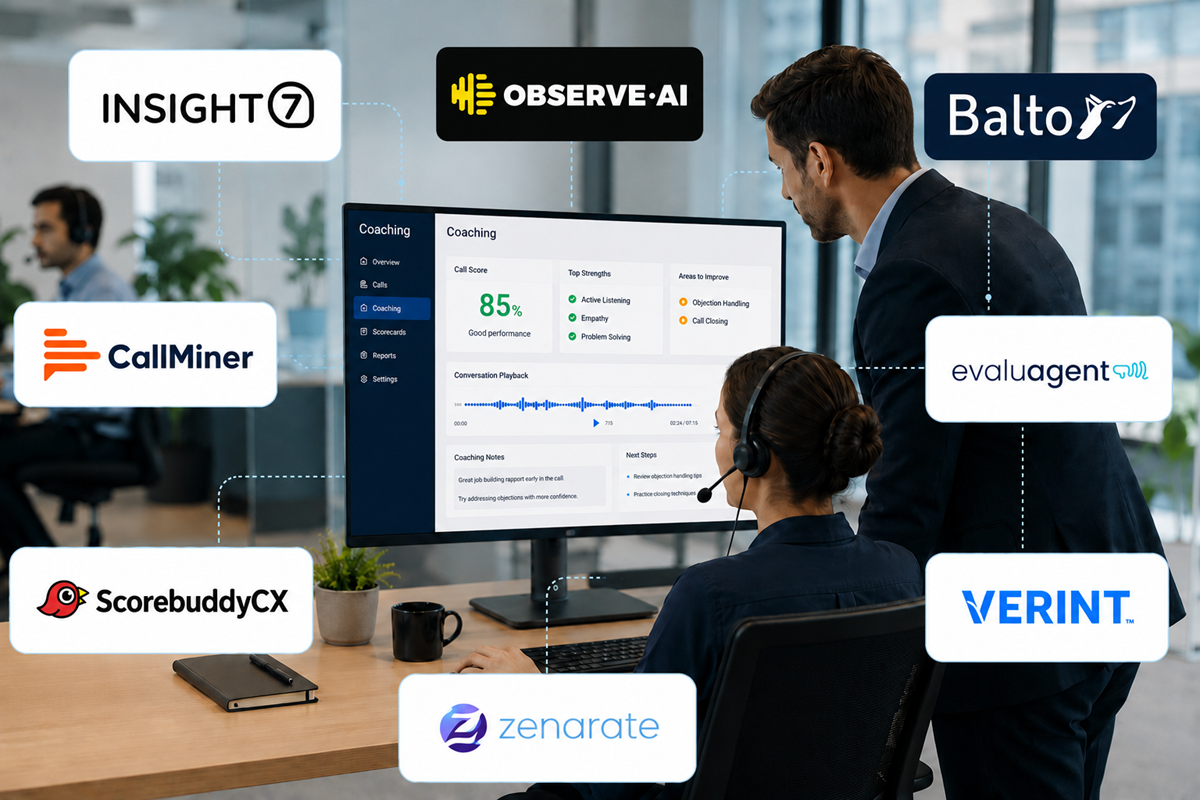
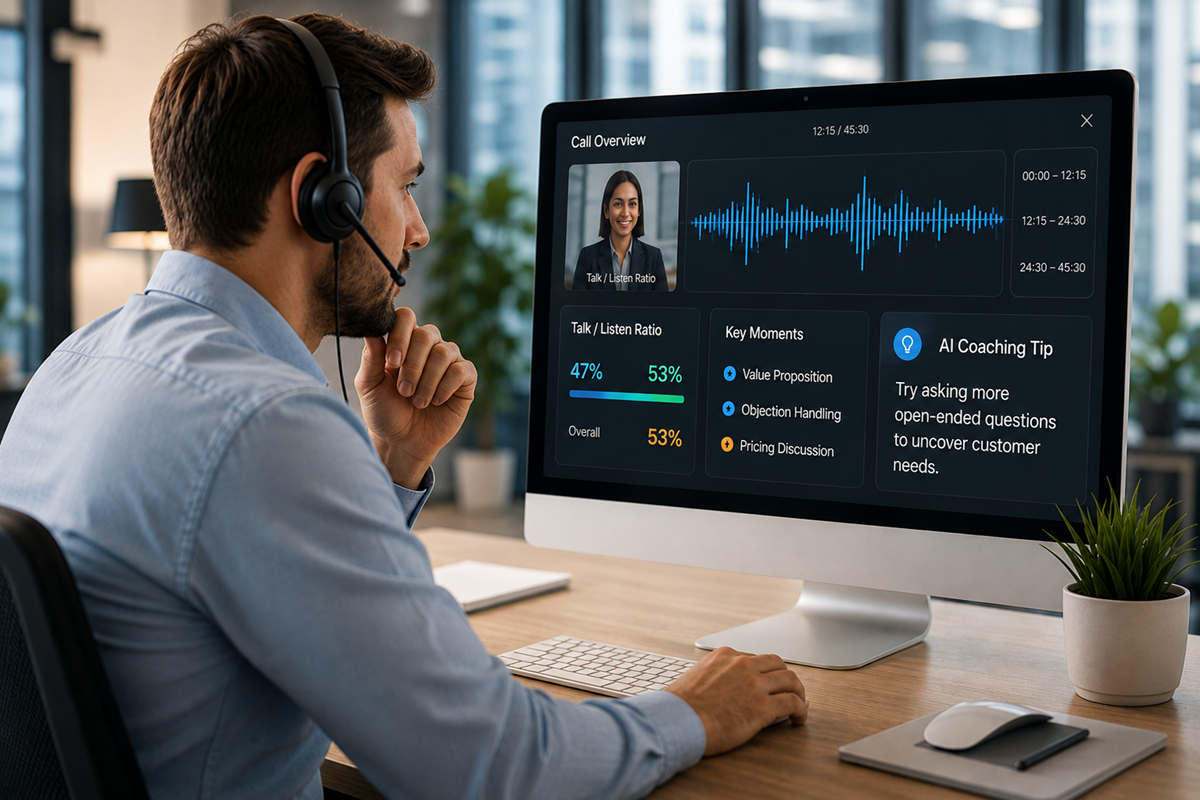
AI coaching tools, such as Insight7, are designed to automatically evaluate customer-facing interactions, providing valuable insights that can be leveraged for leadership development. By scoring calls against custom quality criteria, these tools can detect sentiment, empathy, and resolution effectiveness, allowing leaders to identify trends and coach team members effectively. This level of analysis ensures that coaching is not just reactive but proactive, enabling organizations to address potential issues before they escalate.
One of the core capabilities of AI coaching tools is the ability to generate actionable coaching insights from real conversations. This feature allows organizations to track agent performance and improvement over time, identifying skill gaps and suggesting targeted coaching recommendations. By continuously monitoring quality and compliance, leaders can ensure that their teams are not only meeting but exceeding performance expectations.
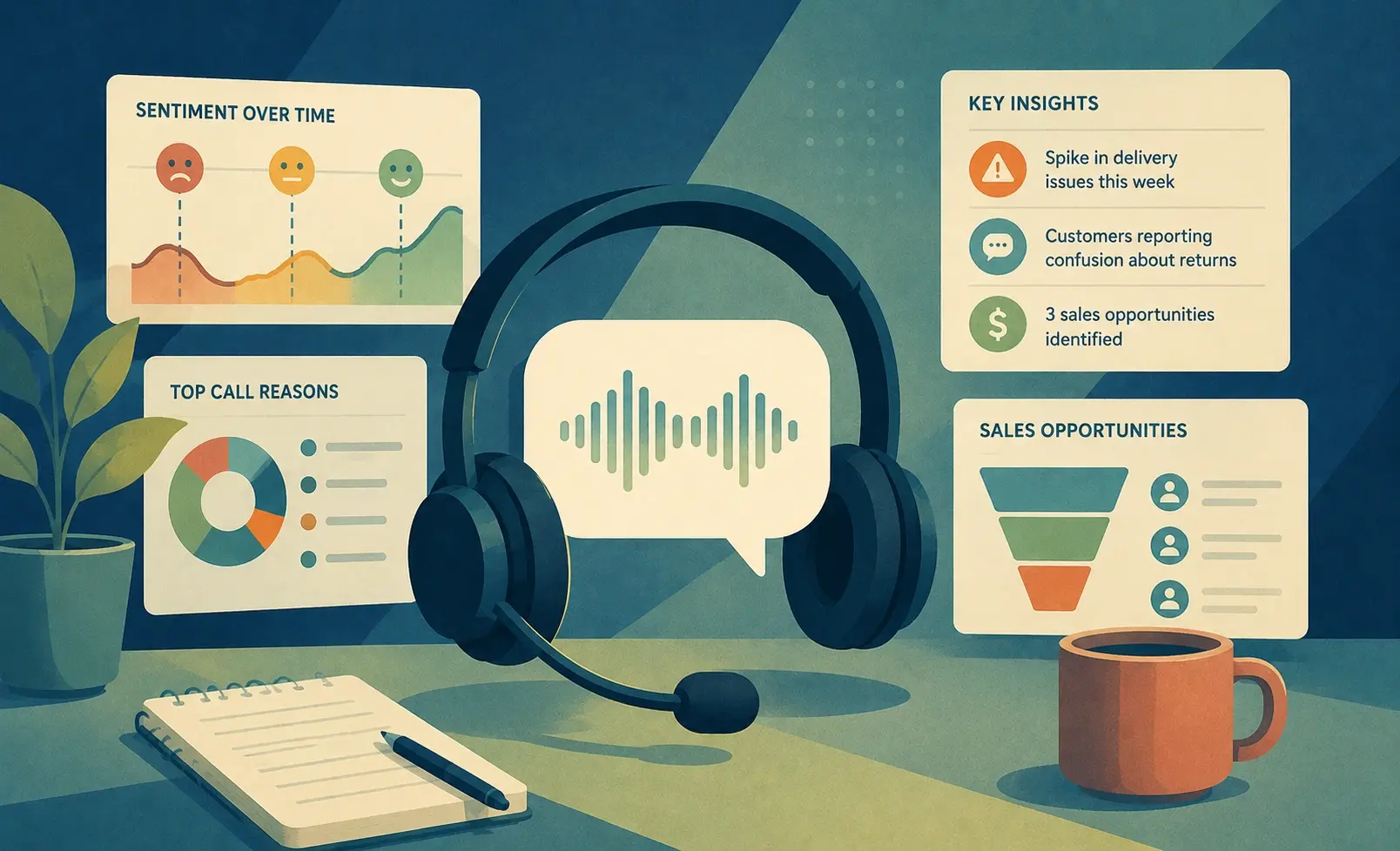
Moreover, AI-driven coaching tools can uncover recurring customer pain points and sentiment trends, providing leaders with the intelligence needed to refine service processes and improve outcomes. This data-driven approach to coaching empowers organizations to make informed decisions that enhance customer experience and drive revenue growth. By detecting upsell and cross-sell opportunities in real time, leaders can equip their teams with the knowledge and skills necessary to capitalize on these moments, further boosting performance.
The accessibility of AI coaching tools is particularly beneficial for organizations of all sizes. Smaller companies, which may have previously struggled to implement comprehensive coaching programs due to resource constraints, can now leverage AI to provide effective training and development opportunities. This democratization of coaching ensures that all employees, regardless of their role, have access to the resources they need to grow and succeed.
In addition to enhancing the coaching experience, AI tools also streamline performance management processes. With performance dashboards that visualize trends across agents and teams, leaders can easily identify areas for improvement and track progress over time. This level of transparency fosters accountability and encourages a culture of continuous learning and development.
As organizations continue to embrace AI in their coaching strategies, the potential for growth and improvement is immense. By making executive leadership coaching more accessible, companies can cultivate a workforce that is not only skilled but also engaged and motivated. This investment in employee development ultimately leads to higher retention rates, improved productivity, and a stronger organizational culture.
In conclusion, the integration of AI coaching tools into executive leadership development is transforming the landscape of employee training. By providing personalized, data-driven insights, organizations can ensure that every employee has the opportunity to thrive. As we move forward, embracing these technologies will be essential for fostering a culture of continuous improvement and driving long-term success.
Comparison Table
Content for section: Comparison Table – comprehensive analysis and insights.
Selection Criteria
Selection Criteria
To effectively make executive leadership coaching more accessible with AI, organizations should consider several key selection criteria. First, the AI tools must offer comprehensive call analytics that evaluate customer interactions, providing insights into sentiment, empathy, and resolution effectiveness. This ensures that coaching is based on real data rather than assumptions. Second, the platform should facilitate personalized coaching recommendations, allowing leaders to identify skill gaps and track performance over time. Third, multilingual support is essential for global teams, ensuring that all employees can benefit from coaching regardless of language barriers. Lastly, the tools must comply with enterprise-grade security standards, such as GDPR and SOC2, to protect sensitive information while fostering a culture of continuous improvement.
Implementation Guide
To make executive leadership coaching more accessible with AI, organizations can implement AI-powered call analytics platforms like Insight7. These tools automatically evaluate customer interactions, providing actionable insights into sentiment, empathy, and resolution effectiveness. By leveraging these insights, leaders can identify skill gaps and track performance over time, ensuring coaching is tailored to individual needs. Additionally, the multilingual support offered by such platforms ensures that coaching is accessible to diverse teams, breaking down language barriers. Compliance with enterprise-grade security standards, such as GDPR and SOC2, further enhances trust and safety in utilizing these AI tools. Ultimately, integrating AI into leadership coaching fosters a culture of continuous improvement and empowers leaders to drive organizational growth effectively.
Frequently Asked Questions
Q: How does AI make executive leadership coaching more accessible?
A: AI streamlines the coaching process by providing data-driven insights from customer interactions, allowing leaders to identify skill gaps and personalize coaching recommendations, making it easier for organizations to implement effective coaching programs.
Q: What specific features should I look for in AI coaching tools?
A: Look for features such as AI-powered call evaluation, personalized coaching insights, multilingual support, and compliance with security standards like GDPR and SOC2 to ensure comprehensive and secure coaching solutions.
Q: Can AI tools help track the performance of leaders over time?
A: Yes, AI tools can continuously monitor and evaluate leadership performance, providing actionable insights that help track improvements and identify areas for further development.
Q: Are AI coaching tools suitable for global teams?
A: Absolutely, many AI coaching platforms offer multilingual support, ensuring that coaching is accessible and effective for diverse teams across different regions.
Q: How do AI tools enhance the quality of coaching?
A: AI tools enhance coaching quality by delivering consistent, unbiased evaluations of interactions, detecting sentiment and empathy, and providing tailored feedback that aligns with individual performance metrics.