Effective leadership training is evolving through the integration of AI coaching methods, which provide personalized insights and actionable feedback. By leveraging AI-powered tools, organizations can enhance their leadership development programs, ensuring that leaders are equipped with the skills necessary to navigate complex business environments. These methods enable continuous assessment of leadership interactions, identifying strengths and areas for improvement in real-time. Furthermore, AI coaching fosters a culture of reflection and growth, allowing leaders to adapt their styles to meet the needs of their teams effectively. This article will explore how AI coaching can transform leadership training, improve team performance, and drive organizational success through data-driven insights and tailored coaching strategies.
AI Coaching Methods for Effective Leadership Training
Effective leadership training is being revolutionized by AI coaching methods, which offer tailored insights and actionable feedback to enhance leadership capabilities. By utilizing AI-powered tools, organizations can significantly improve their leadership development programs, ensuring leaders possess the necessary skills to thrive in complex business environments. These methods facilitate continuous evaluation of leadership interactions, pinpointing strengths and areas needing improvement in real-time. Additionally, AI coaching cultivates a culture of reflection and growth, enabling leaders to adapt their styles to effectively meet their teams' needs.
AI coaching methods for effective leadership training leverage advanced analytics to provide leaders with a comprehensive understanding of their performance. For instance, platforms like Insight7 utilize AI-powered call analytics to automatically evaluate customer interactions, scoring them against custom quality criteria. This capability allows leaders to gain insights into their communication styles, including tone, empathy, and resolution effectiveness. By understanding these dynamics, leaders can refine their approaches, ensuring they resonate with their teams and stakeholders.
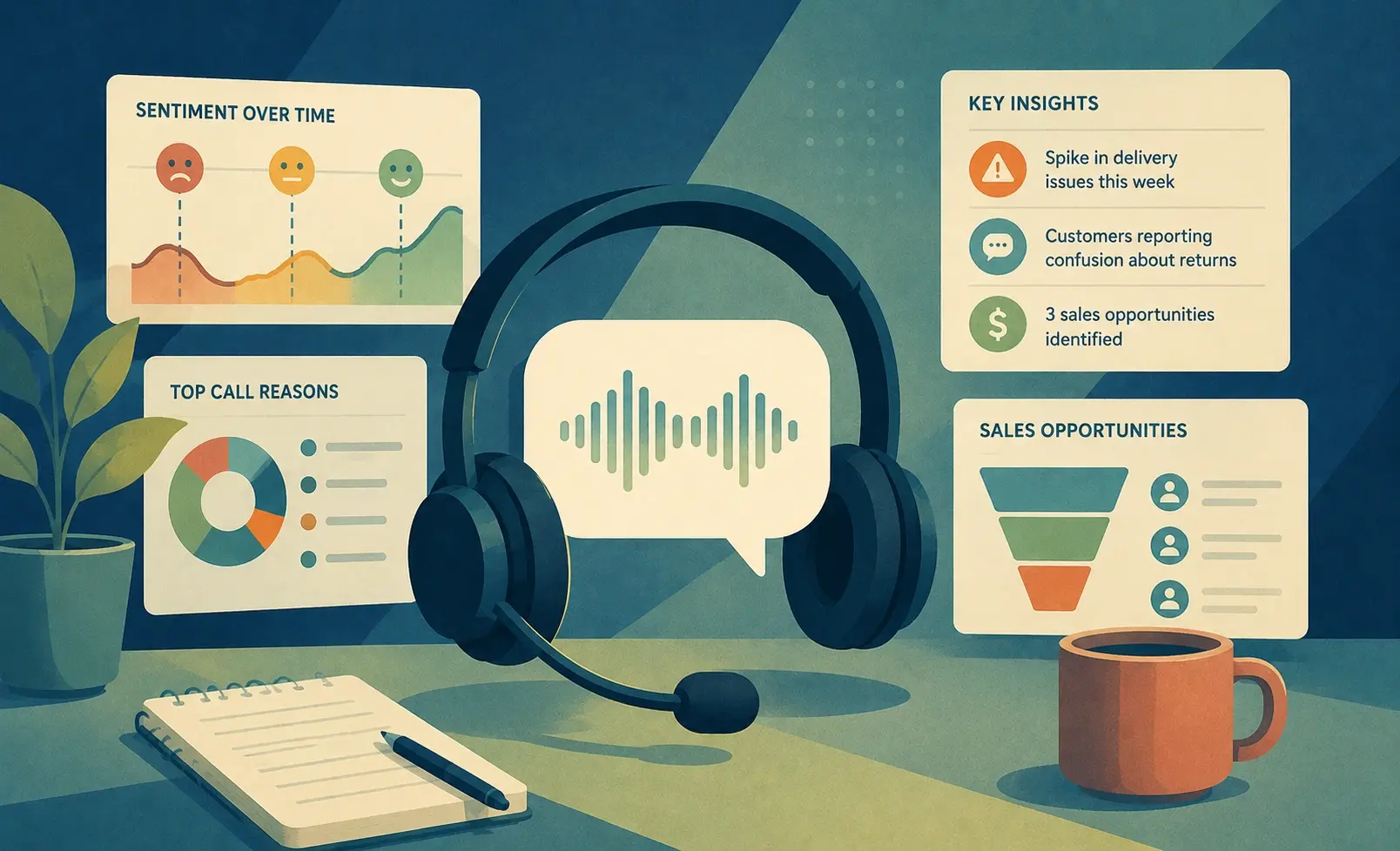
One of the core benefits of AI coaching is the generation of actionable insights derived from real conversations. By analyzing customer-facing interactions, AI tools can identify recurring themes, customer pain points, and sentiment trends. This data enables leaders to make informed decisions about their coaching strategies, focusing on specific areas that require development. For example, if a leader consistently receives feedback about their communication style, AI coaching can provide tailored recommendations to enhance their delivery, fostering a more engaging and effective leadership presence.
Moreover, AI coaching methods facilitate performance management by tracking agent performance and improvement over time. Leaders can benchmark their progress against established metrics, allowing for a clear understanding of their development journey. This continuous monitoring not only helps in identifying skill gaps but also suggests targeted coaching recommendations to address these areas. By focusing on individual growth, organizations can cultivate a more competent and confident leadership team.
The integration of AI coaching into leadership training also enhances customer experience (CX) intelligence. By uncovering insights related to customer satisfaction and escalation drivers, leaders can refine their service processes and improve overall outcomes. This data-driven approach ensures that leaders are not only equipped to handle internal team dynamics but are also responsive to external customer needs, ultimately driving organizational success.
In addition to improving individual leadership skills, AI coaching fosters a collaborative environment where leaders can learn from one another. Performance dashboards visualize trends across teams, allowing leaders to share best practices and learn from their peers. This collaborative learning environment encourages a culture of continuous improvement, where leaders are motivated to enhance their skills and contribute to the organization's success.
In conclusion, AI coaching methods are transforming effective leadership training by providing personalized insights, continuous performance monitoring, and actionable feedback. By leveraging these advanced tools, organizations can empower their leaders to adapt and thrive in an ever-changing business landscape. The result is a more agile, responsive, and effective leadership team that drives growth and success for the organization as a whole.
Q: How does AI coaching improve leadership training?
A: AI coaching enhances leadership training by providing personalized insights, continuous performance evaluation, and actionable feedback, allowing leaders to adapt their styles and improve their effectiveness.
Q: What are the benefits of using AI-powered call analytics in leadership training?
A: AI-powered call analytics help leaders understand their communication styles, identify strengths and weaknesses, and refine their approaches based on real-time data from customer interactions.
Q: How does AI coaching foster a culture of growth within organizations?
A: AI coaching cultivates a culture of growth by enabling continuous assessment of leadership interactions, encouraging reflection, and facilitating collaborative learning among leaders.
Q: Can AI coaching help in identifying skill gaps in leadership?
A: Yes, AI coaching can track performance over time and suggest targeted coaching recommendations to address identified skill gaps, ensuring leaders receive the support they need for development.
Q: What role does customer experience intelligence play in leadership training?
A: Customer experience intelligence provides leaders with insights into customer satisfaction and pain points, allowing them to refine service processes and enhance their leadership effectiveness in addressing external needs.
Comparison Table
Comparison Table
Effective leadership training has been significantly enhanced through the integration of AI coaching methods, particularly with platforms like Insight7. The comparison table below highlights the key features and benefits of traditional leadership training versus AI-powered coaching methods.
| Feature/Benefit | Traditional Leadership Training | AI Coaching Methods (e.g., Insight7) |
|---|---|---|
| Personalization | Generic training programs tailored to groups | Customized feedback based on individual interactions |
| Performance Monitoring | Periodic assessments and reviews | Continuous real-time evaluation of conversations |
| Data-Driven Insights | Limited data collection and analysis | Comprehensive analytics on communication styles, sentiment, and effectiveness |
| Coaching Recommendations | General advice based on trainer experience | Actionable insights derived from actual conversations |
| Skill Gap Identification | Manual assessments and subjective evaluations | Automated detection of skill gaps and targeted coaching suggestions |
| Collaboration Opportunities | Limited peer interaction during training sessions | Performance dashboards for sharing best practices among leaders |
| Customer Experience Focus | Minimal emphasis on customer interactions | Insights into customer satisfaction and pain points to enhance leadership effectiveness |
This comparison illustrates how AI coaching methods provide a more dynamic, data-driven approach to leadership training, fostering continuous improvement and adaptability in leaders.
Selection Criteria
Effective leadership training is increasingly leveraging AI coaching methods to provide tailored insights and actionable feedback. These advanced tools enable organizations to enhance their leadership development programs, ensuring leaders are equipped with the skills necessary to navigate complex business environments. By continuously evaluating leadership interactions, AI coaching identifies strengths and areas for improvement in real-time, fostering a culture of reflection and growth. This approach not only refines leaders' communication styles but also enhances their ability to meet the diverse needs of their teams.
AI coaching methods utilize advanced analytics to deliver comprehensive performance insights. For instance, platforms like Insight7 automatically evaluate customer interactions, scoring them against custom criteria to help leaders understand their communication dynamics, including tone and empathy. By harnessing these insights, leaders can adapt their approaches, ensuring they resonate effectively with their teams and stakeholders.
One of the primary advantages of AI coaching is its ability to generate actionable insights from real conversations. By analyzing customer-facing interactions, AI tools can pinpoint recurring themes and customer pain points, allowing leaders to make informed decisions about their coaching strategies. This data-driven approach ensures that leaders can focus on specific areas requiring development, ultimately enhancing their effectiveness.
Moreover, AI coaching facilitates performance management by tracking agent performance over time. Leaders can benchmark their progress against established metrics, gaining clarity on their development journey. This continuous monitoring helps identify skill gaps and suggests targeted coaching recommendations, fostering individual growth and competence within the leadership team.
Integrating AI coaching into leadership training also enhances customer experience intelligence. By uncovering insights related to customer satisfaction and escalation drivers, leaders can refine service processes and improve overall outcomes. This ensures that leaders are responsive to both internal team dynamics and external customer needs, driving organizational success.
In addition to improving individual leadership skills, AI coaching promotes a collaborative environment where leaders can learn from one another. Performance dashboards visualize trends across teams, facilitating the sharing of best practices and encouraging a culture of continuous improvement.
In conclusion, AI coaching methods are transforming effective leadership training by providing personalized insights, continuous performance monitoring, and actionable feedback. By leveraging these advanced tools, organizations can empower their leaders to adapt and thrive in an ever-changing business landscape, resulting in a more agile and effective leadership team that drives growth and success.
Implementation Guide
Effective leadership training is being revolutionized by AI coaching methods, which provide personalized insights and continuous performance monitoring. By utilizing platforms like Insight7, organizations can enhance their leadership development programs, ensuring leaders are equipped to navigate complex business environments. This article will explore how AI coaching methods deliver actionable feedback, identify skill gaps, and foster a culture of growth, ultimately transforming leadership effectiveness.
To implement effective leadership training with AI coaching methods, organizations should start by integrating AI-powered platforms like Insight7 into their training programs. These platforms automatically evaluate customer interactions, scoring them against custom criteria to provide leaders with insights into their communication dynamics, including tone and empathy. This data-driven approach allows leaders to adapt their styles to resonate more effectively with their teams and stakeholders.
Next, organizations should focus on generating actionable insights from real conversations. By analyzing customer-facing interactions, AI tools can identify recurring themes and customer pain points, enabling leaders to make informed decisions about their coaching strategies. This targeted approach ensures that leaders concentrate on specific areas requiring development, enhancing their overall effectiveness.
Continuous performance management is another critical aspect of implementation. By tracking agent performance over time, leaders can benchmark their progress against established metrics, gaining clarity on their development journey. This ongoing monitoring helps identify skill gaps and suggests targeted coaching recommendations, fostering individual growth within the leadership team.
Finally, promoting a collaborative environment is essential. AI coaching facilitates the sharing of best practices through performance dashboards that visualize trends across teams. This encourages a culture of continuous improvement, where leaders learn from one another and collectively enhance their skills.
In conclusion, implementing effective leadership training with AI coaching methods involves integrating AI platforms, generating actionable insights, focusing on continuous performance management, and fostering collaboration. By leveraging these advanced tools, organizations can empower their leaders to adapt and thrive, resulting in a more agile and effective leadership team that drives growth and success.
Frequently Asked Questions
Q: What are AI coaching methods in leadership training?
A: AI coaching methods leverage advanced analytics to provide personalized insights and continuous performance monitoring, helping leaders enhance their skills and adapt to complex business environments.
Q: How does AI improve leadership effectiveness?
A: AI improves leadership effectiveness by automatically evaluating interactions, identifying strengths and weaknesses, and generating actionable insights that guide targeted coaching strategies.
Q: What role does Insight7 play in leadership training?
A: Insight7 is an AI-powered call analytics platform that evaluates customer interactions, providing leaders with insights into communication dynamics, sentiment, and performance, which enhances training programs.
Q: How can organizations implement AI coaching methods?
A: Organizations can implement AI coaching by integrating platforms like Insight7, focusing on generating actionable insights from conversations, and promoting continuous performance management and collaboration among leaders.
Q: What benefits do AI coaching methods offer to leaders?
A: AI coaching methods offer benefits such as improved communication styles, identification of skill gaps, enhanced customer experience intelligence, and a culture of continuous improvement among leadership teams.