AI is revolutionizing the way management skills are assessed, shifting the focus from traditional testing methods to a more dynamic development approach. By leveraging AI-powered tools, organizations can now evaluate real-time interactions, identify skill gaps, and provide personalized coaching recommendations. This transformation not only enhances the accuracy of assessments but also fosters continuous improvement among team members. As AI analyzes conversations, it uncovers valuable insights that inform training programs and performance management strategies. This shift empowers leaders to cultivate a culture of growth, ensuring that every employee has the opportunity to develop their skills effectively. In this article, we will explore how AI-driven assessments are reshaping management training and the benefits they bring to organizations.
Transformative AI Tools for Management Skills Development
AI is fundamentally transforming management skills assessment by shifting the focus from static testing methods to dynamic development processes. Through the use of AI-powered tools, organizations can now evaluate real-time interactions, identify skill gaps, and deliver personalized coaching recommendations. This evolution enhances the accuracy of assessments and fosters continuous improvement among team members. By analyzing conversations, AI uncovers valuable insights that inform training programs and performance management strategies, empowering leaders to cultivate a culture of growth and ensuring that every employee has the opportunity to develop their skills effectively.
In traditional management skills assessment, evaluations often relied on standardized tests and performance reviews that provided limited insights into an individual’s capabilities. These methods typically focused on measuring knowledge rather than actual performance in real-world scenarios. However, with the advent of AI, organizations can now automatically evaluate 100% of customer interactions, scoring them against custom quality criteria. This not only allows for a more comprehensive understanding of an employee's strengths and weaknesses but also provides a continuous feedback loop that helps in refining management skills over time.
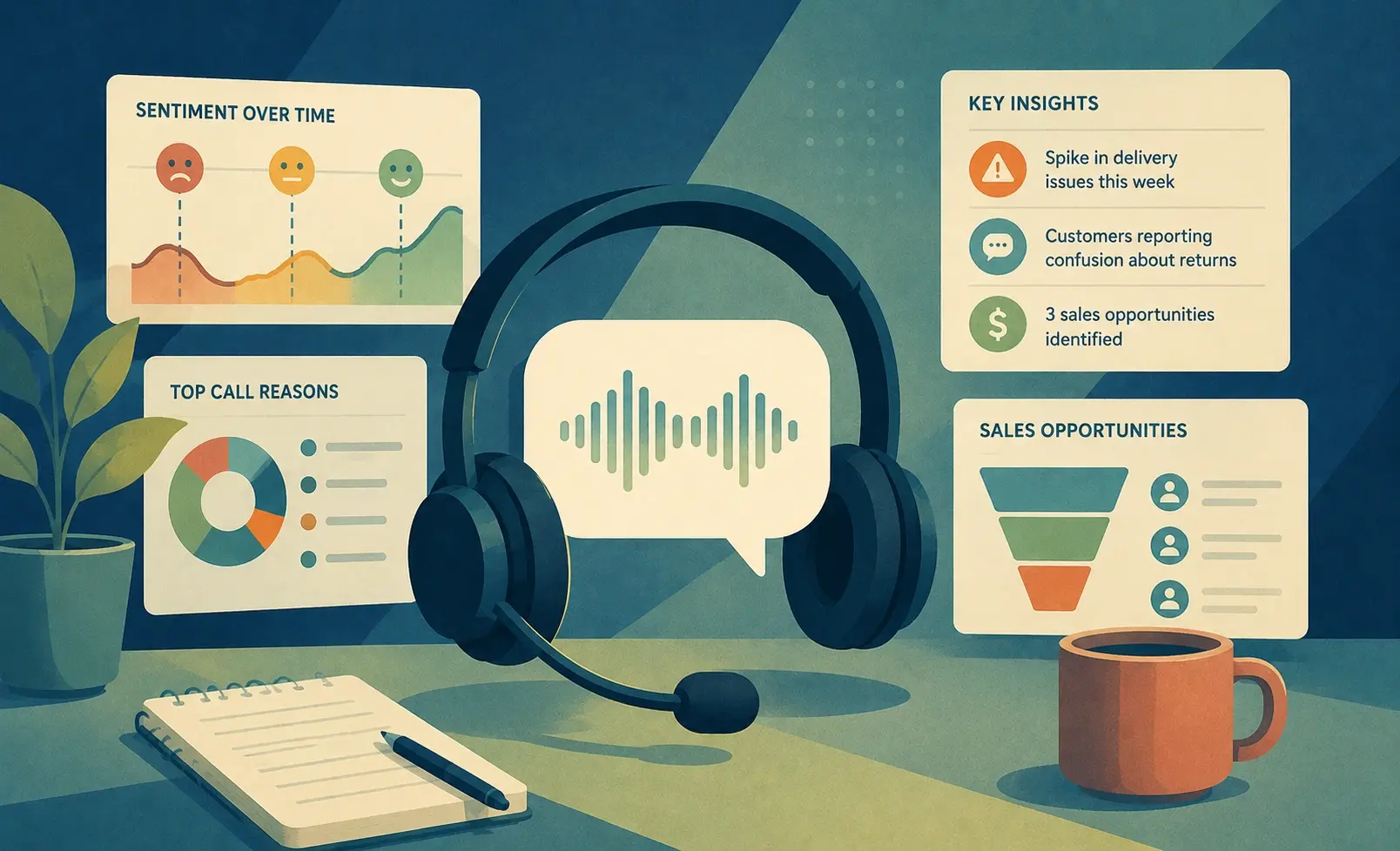
For instance, AI-powered call analytics platforms like Insight7 evaluate customer-facing conversations to detect sentiment, empathy, and resolution effectiveness. This capability enables managers to gain unbiased insights into how their teams are performing, allowing them to identify trends and coach team members effectively. By generating actionable coaching insights from actual conversations, organizations can track agent performance and improvement over time, ensuring that management skills are not just assessed but actively developed.
Moreover, AI tools can identify recurring customer pain points and sentiment trends, allowing managers to understand the drivers of satisfaction and escalation. This intelligence can be used to refine service processes, improve outcomes, and ultimately enhance customer experience. The ability to detect upsell and cross-sell opportunities in real time further equips managers with the knowledge needed to guide their teams toward achieving revenue goals.
As organizations embrace AI-driven assessments, they can move away from a remedial approach to a more proactive development strategy. Instead of merely identifying weaknesses, AI allows leaders to focus on enhancing strengths and providing targeted coaching recommendations. This shift not only boosts individual performance but also contributes to overall team effectiveness and organizational success.
In conclusion, AI is redefining management skills assessment by transforming it from a static testing approach to a dynamic development process. By leveraging AI-powered tools, organizations can continuously evaluate and develop their management capabilities, ensuring that leaders are equipped to foster growth and drive performance. This transformation not only enhances the accuracy of assessments but also cultivates a culture of continuous improvement, ultimately benefiting both employees and the organization as a whole.
Comparison Table
AI is revolutionizing management skills assessment by shifting the focus from traditional testing methods to a more dynamic development approach. By leveraging AI-powered tools, organizations can now evaluate real-time interactions, identify skill gaps, and provide personalized coaching recommendations. This transformation enhances assessment accuracy and fosters continuous improvement among team members. AI analyzes conversations to uncover valuable insights that inform training programs and performance management strategies, empowering leaders to cultivate a growth culture and ensure every employee has the opportunity to develop their skills effectively.
In traditional assessments, evaluations often relied on standardized tests that measured knowledge rather than real-world performance. With AI, organizations can automatically evaluate 100% of customer interactions, scoring them against custom quality criteria. This comprehensive understanding of an employee's strengths and weaknesses provides a continuous feedback loop for refining management skills.
For example, AI-powered call analytics platforms like Insight7 evaluate customer-facing conversations to detect sentiment, empathy, and resolution effectiveness. This capability allows managers to gain unbiased insights into team performance, identify trends, and coach effectively. By generating actionable coaching insights from actual conversations, organizations can track agent performance and improvement over time.
Moreover, AI tools can identify recurring customer pain points and sentiment trends, enabling managers to understand satisfaction drivers and refine service processes. The ability to detect upsell and cross-sell opportunities in real time equips managers with the knowledge needed to guide their teams toward revenue goals.
As organizations embrace AI-driven assessments, they can transition from a remedial approach to a proactive development strategy. Instead of merely identifying weaknesses, AI allows leaders to enhance strengths and provide targeted coaching recommendations. This shift boosts individual performance and contributes to overall team effectiveness and organizational success.
In conclusion, AI is redefining management skills assessment by transforming it from a static testing approach to a dynamic development process. By leveraging AI-powered tools, organizations can continuously evaluate and develop management capabilities, ensuring leaders are equipped to foster growth and drive performance. This transformation enhances assessment accuracy and cultivates a culture of continuous improvement, ultimately benefiting both employees and the organization.
Selection Criteria
Content for section: Selection Criteria – comprehensive analysis and insights.
Implementation Guide
AI is revolutionizing management skills assessment by shifting the focus from traditional testing methods to a more dynamic development approach. By leveraging AI-powered tools, organizations can evaluate real-time interactions, identify skill gaps, and provide personalized coaching recommendations. This transformation enhances assessment accuracy and fosters continuous improvement among team members. AI analyzes conversations to uncover valuable insights that inform training programs and performance management strategies, empowering leaders to cultivate a growth culture and ensure every employee has the opportunity to develop their skills effectively.
When selecting AI tools for management skills assessment, organizations should consider several criteria. First, the ability to automatically evaluate 100% of customer interactions is crucial, as it provides a comprehensive understanding of employee performance. Additionally, look for platforms that offer customizable evaluation criteria to align with specific organizational goals. The capability to detect sentiment, empathy, and resolution effectiveness will further enhance the assessment process.
Moreover, organizations should prioritize tools that generate actionable coaching insights from real conversations, enabling managers to track agent performance and improvement over time. The identification of recurring customer pain points and sentiment trends is also essential, as it allows for a deeper understanding of satisfaction drivers. Finally, ensure that the selected AI solution complies with enterprise-grade security standards, such as GDPR and SOC2, to protect sensitive data.
By focusing on these selection criteria, organizations can effectively leverage AI to transform management skills assessment from a static testing approach to a dynamic development process, ultimately driving performance and fostering a culture of continuous improvement.
Frequently Asked Questions
Q: How does AI transform management skills assessment from testing to development?
A: AI shifts management skills assessment from traditional testing methods to a dynamic development approach by evaluating real-time interactions, identifying skill gaps, and providing personalized coaching insights. This transformation enhances accuracy and fosters continuous improvement among team members.
Q: What are the benefits of using AI for management skills assessment?
A: AI offers comprehensive evaluations of customer interactions, customizable criteria, and the ability to detect sentiment and resolution effectiveness, leading to actionable insights that inform training and performance management strategies.
Q: How can organizations ensure they select the right AI tools for management skills assessment?
A: Organizations should prioritize tools that automatically evaluate all customer interactions, generate actionable coaching insights, identify recurring customer pain points, and comply with enterprise-grade security standards like GDPR and SOC2.
Q: What role does sentiment detection play in AI-powered management assessments?
A: Sentiment detection helps organizations understand employee interactions better, allowing for targeted coaching and training that addresses specific emotional and performance-related challenges.
Q: How does AI contribute to a culture of continuous improvement in organizations?
A: By providing real-time feedback and personalized coaching recommendations, AI fosters a growth culture where employees are continually developing their skills and improving their performance based on actionable insights.