In today's fast-paced business environment, effective management skills are crucial for success. The "Management Skills Assessment Test Success Through AI Coaching" explores how leveraging AI-driven coaching can enhance management capabilities, leading to improved team performance and organizational growth. By utilizing AI-powered call analytics, leaders can gain valuable insights into their team's interactions, identify skill gaps, and provide personalized coaching recommendations. This approach not only streamlines the assessment process but also fosters a culture of continuous improvement. As organizations seek to adapt and thrive, integrating AI coaching into management training programs will be essential for developing the leaders of tomorrow. This article will delve into the benefits of AI coaching, effective assessment strategies, and actionable insights for enhancing management skills.
Understanding AI Coaching for Management Skills Assessment
Understanding AI Coaching for Management Skills Assessment
Management Skills Assessment Test Success Through AI Coaching
In the realm of modern business, the integration of AI coaching into management skills assessment is transforming how organizations evaluate and enhance their leadership capabilities. By leveraging AI-powered call analytics, companies can gain deep insights into team interactions, identify skill gaps, and provide tailored coaching recommendations. This not only streamlines the assessment process but also fosters a culture of continuous improvement, essential for developing effective leaders who can navigate the complexities of today’s fast-paced environment.
AI coaching offers a structured approach to management skills assessment, enabling organizations to automatically evaluate 100% of customer-facing interactions. This capability ensures that every conversation is scored against custom quality criteria, allowing leaders to detect sentiment, empathy, and resolution effectiveness. By utilizing these insights, managers can identify trends and coaching opportunities, ultimately driving performance and growth within their teams.
One of the key advantages of AI coaching is its ability to generate actionable insights from real conversations. This means that leaders can track agent performance and improvement over time, pinpointing specific areas where coaching is needed. For instance, if a manager notices that a team member consistently struggles with empathy during customer calls, AI coaching can suggest targeted training resources to address this skill gap. This personalized approach not only enhances individual performance but also contributes to overall team effectiveness.
Moreover, AI coaching facilitates continuous monitoring of quality and compliance, ensuring that management practices align with organizational standards. By regularly assessing team interactions, leaders can refine their coaching strategies and adapt training programs to meet evolving business needs. This proactive approach to management skills assessment helps organizations stay agile and responsive to changes in the market.
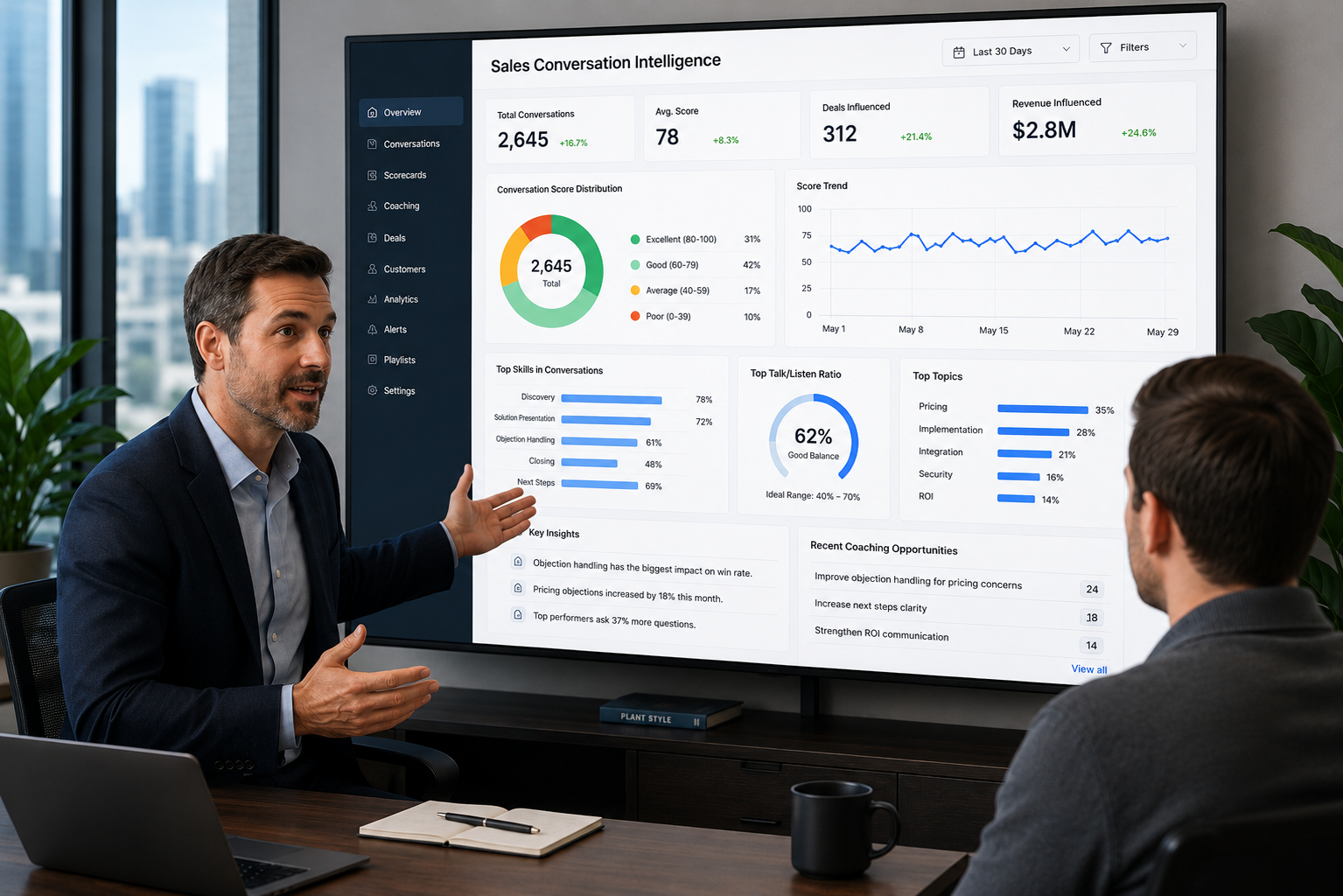
The implementation of AI coaching also empowers managers to focus on high-impact coaching activities rather than spending excessive time analyzing data. With AI-driven performance dashboards, leaders can visualize trends across agents and teams, making it easier to identify areas for improvement. This streamlined process allows managers to dedicate more time to meaningful coaching interactions, ultimately leading to better outcomes for both employees and the organization.
As organizations strive to enhance their management capabilities, the integration of AI coaching into skills assessment processes will be crucial. By harnessing the power of AI, companies can turn every customer interaction into actionable intelligence, driving performance and growth. The future of management skills assessment lies in the ability to leverage technology to create a culture of continuous learning and development, ensuring that leaders are equipped to succeed in an ever-changing business landscape.
In conclusion, the success of management skills assessment tests through AI coaching hinges on the ability to provide personalized, data-driven insights that empower leaders to enhance their skills. By embracing AI-powered call analytics, organizations can foster a culture of continuous improvement, ultimately leading to better team performance and organizational growth. As the business landscape continues to evolve, the integration of AI coaching will be essential for developing the leaders of tomorrow.
Key Tools for AI Coaching Success
In the realm of modern business, integrating AI coaching into management skills assessment is revolutionizing how organizations evaluate and enhance their leadership capabilities. By leveraging AI-powered call analytics, companies can gain deep insights into team interactions, identify skill gaps, and provide tailored coaching recommendations. This approach not only streamlines the assessment process but also fosters a culture of continuous improvement, essential for developing effective leaders who can navigate today’s fast-paced environment.
AI coaching enables organizations to automatically evaluate 100% of customer-facing interactions, scoring each conversation against custom quality criteria. This ensures that leaders can detect sentiment, empathy, and resolution effectiveness, allowing them to identify trends and coaching opportunities. For example, if a manager notices a team member struggling with empathy during customer calls, AI coaching can suggest targeted training resources to address this skill gap. This personalized approach enhances individual performance and contributes to overall team effectiveness.
Moreover, AI coaching facilitates continuous monitoring of quality and compliance, ensuring that management practices align with organizational standards. By regularly assessing team interactions, leaders can refine their coaching strategies and adapt training programs to meet evolving business needs. This proactive approach helps organizations stay agile and responsive to market changes.
The implementation of AI coaching empowers managers to focus on high-impact coaching activities rather than spending excessive time analyzing data. With AI-driven performance dashboards, leaders can visualize trends across agents and teams, making it easier to identify areas for improvement. This streamlined process allows managers to dedicate more time to meaningful coaching interactions, ultimately leading to better outcomes for both employees and the organization.
As organizations strive to enhance their management capabilities, integrating AI coaching into skills assessment processes will be crucial. By harnessing the power of AI, companies can turn every customer interaction into actionable intelligence, driving performance and growth. The future of management skills assessment lies in leveraging technology to create a culture of continuous learning and development, ensuring that leaders are equipped to succeed in an ever-changing business landscape.
Comparison Table
In the realm of modern business, the integration of AI coaching into management skills assessment is transforming how organizations evaluate and enhance their leadership capabilities. By leveraging AI-powered call analytics, companies can gain deep insights into team interactions, identify skill gaps, and provide tailored coaching recommendations. This not only streamlines the assessment process but also fosters a culture of continuous improvement, essential for developing effective leaders who can navigate the complexities of today’s fast-paced environment.
AI coaching enables organizations to automatically evaluate 100% of customer-facing interactions, scoring each conversation against custom quality criteria. This ensures that leaders can detect sentiment, empathy, and resolution effectiveness, allowing them to identify trends and coaching opportunities. For example, if a manager notices a team member struggling with empathy during customer calls, AI coaching can suggest targeted training resources to address this skill gap. This personalized approach enhances individual performance and contributes to overall team effectiveness.
Moreover, AI coaching facilitates continuous monitoring of quality and compliance, ensuring that management practices align with organizational standards. By regularly assessing team interactions, leaders can refine their coaching strategies and adapt training programs to meet evolving business needs. This proactive approach helps organizations stay agile and responsive to market changes.
The implementation of AI coaching empowers managers to focus on high-impact coaching activities rather than spending excessive time analyzing data. With AI-driven performance dashboards, leaders can visualize trends across agents and teams, making it easier to identify areas for improvement. This streamlined process allows managers to dedicate more time to meaningful coaching interactions, ultimately leading to better outcomes for both employees and the organization.
As organizations strive to enhance their management capabilities, integrating AI coaching into skills assessment processes will be crucial. By harnessing the power of AI, companies can turn every customer interaction into actionable intelligence, driving performance and growth. The future of management skills assessment lies in leveraging technology to create a culture of continuous learning and development, ensuring that leaders are equipped to succeed in an ever-changing business landscape.
Selection Criteria
In today's fast-paced business environment, effective management skills assessment is crucial for organizational success. AI coaching is revolutionizing this process by providing deep insights into team interactions, identifying skill gaps, and offering tailored coaching recommendations. By leveraging AI-powered call analytics, companies can automatically evaluate customer-facing conversations, ensuring that leaders can detect sentiment, empathy, and resolution effectiveness. This not only streamlines the assessment process but also fosters a culture of continuous improvement, essential for developing leaders who can navigate complex challenges.
AI coaching enables organizations to focus on high-impact coaching activities, allowing managers to visualize trends across agents and teams through performance dashboards. This streamlined approach empowers managers to dedicate more time to meaningful coaching interactions, ultimately enhancing individual performance and contributing to overall team effectiveness. By integrating AI into management skills assessment, companies can turn every customer interaction into actionable intelligence, driving performance and growth while ensuring leaders are equipped to succeed in an ever-evolving business landscape.
Frequently Asked Questions
Q: What is the Management Skills Assessment Test Success Through AI Coaching?
A: The Management Skills Assessment Test Success Through AI Coaching leverages AI-powered call analytics to evaluate team interactions, identify skill gaps, and provide tailored coaching recommendations, enhancing leadership capabilities.
Q: How does AI coaching improve management skills assessment?
A: AI coaching streamlines the assessment process by automatically evaluating customer-facing conversations, detecting sentiment and empathy, and offering actionable insights that foster continuous improvement among leaders.
Q: What are the benefits of using AI-powered call analytics?
A: AI-powered call analytics provide unbiased evaluation of 100% of customer calls, enabling managers to visualize performance trends, identify coaching opportunities, and enhance training programs effectively.
Q: Can AI coaching help in identifying skill gaps?
A: Yes, AI coaching can pinpoint specific skill gaps by analyzing conversations, allowing managers to suggest targeted training resources to improve individual and team performance.
Q: How does AI coaching facilitate continuous monitoring?
A: AI coaching continuously monitors quality and compliance by regularly assessing team interactions, enabling leaders to refine coaching strategies and adapt training programs to meet evolving business needs.