In today's fast-paced business environment, effective communication skills are crucial for success, particularly in customer-facing roles. The "Communication Skills Assessment Form Preparation with AI Coaching" focuses on leveraging AI technology to enhance the evaluation and development of communication competencies within teams. By utilizing AI-powered call analytics, organizations can automatically assess conversations, providing insights into areas such as empathy, tone, and resolution effectiveness. This data-driven approach not only identifies skill gaps but also generates personalized coaching recommendations, enabling managers to foster continuous improvement in their teams. As a result, businesses can enhance service quality, boost agent performance, and ultimately drive revenue growth through more effective communication strategies.
In this article, we will explore the essential components of preparing a communication skills assessment form, the role of AI in coaching, and how these tools can transform team dynamics and customer interactions.
Essential Elements of a Communication Skills Assessment Form
In preparing a Communication Skills Assessment Form with AI Coaching, several essential elements must be considered to maximize the effectiveness of the evaluation process. The integration of AI-powered call analytics, such as those offered by Insight7, allows organizations to automate the assessment of communication skills, providing a comprehensive understanding of team performance and areas for improvement.
First and foremost, the assessment form should include clear, custom quality criteria that align with the organization's communication goals. This ensures that the evaluation process is tailored to the specific needs of the business and its customer-facing teams. By leveraging AI, organizations can automatically evaluate 100% of customer calls, scoring interactions based on these criteria. This not only delivers consistent and unbiased insights but also allows for the detection of key elements such as sentiment, empathy, and resolution effectiveness.
Another critical component is the incorporation of actionable coaching insights derived from real conversations. AI tools can analyze recorded interactions to identify skill gaps and suggest targeted coaching recommendations. This personalized feedback empowers managers to address specific areas where team members may be struggling, fostering a culture of continuous improvement. By tracking agent performance over time, organizations can monitor progress and adjust training programs accordingly.
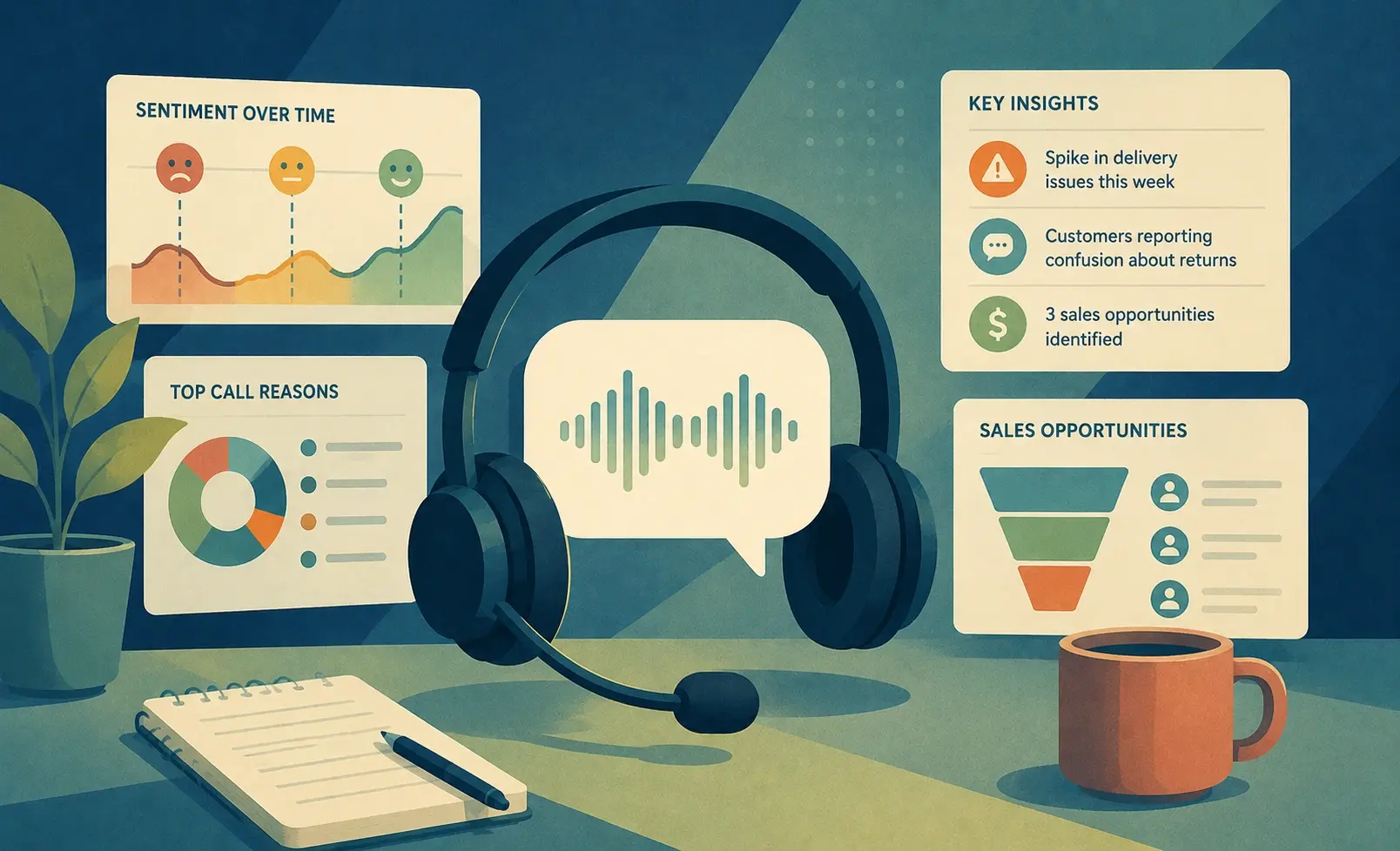
Furthermore, the assessment form should facilitate the identification of recurring customer pain points and sentiment trends. By understanding the drivers of satisfaction and escalation, organizations can refine their service processes and improve overall customer experience. This not only enhances communication skills but also contributes to better service quality and customer retention.
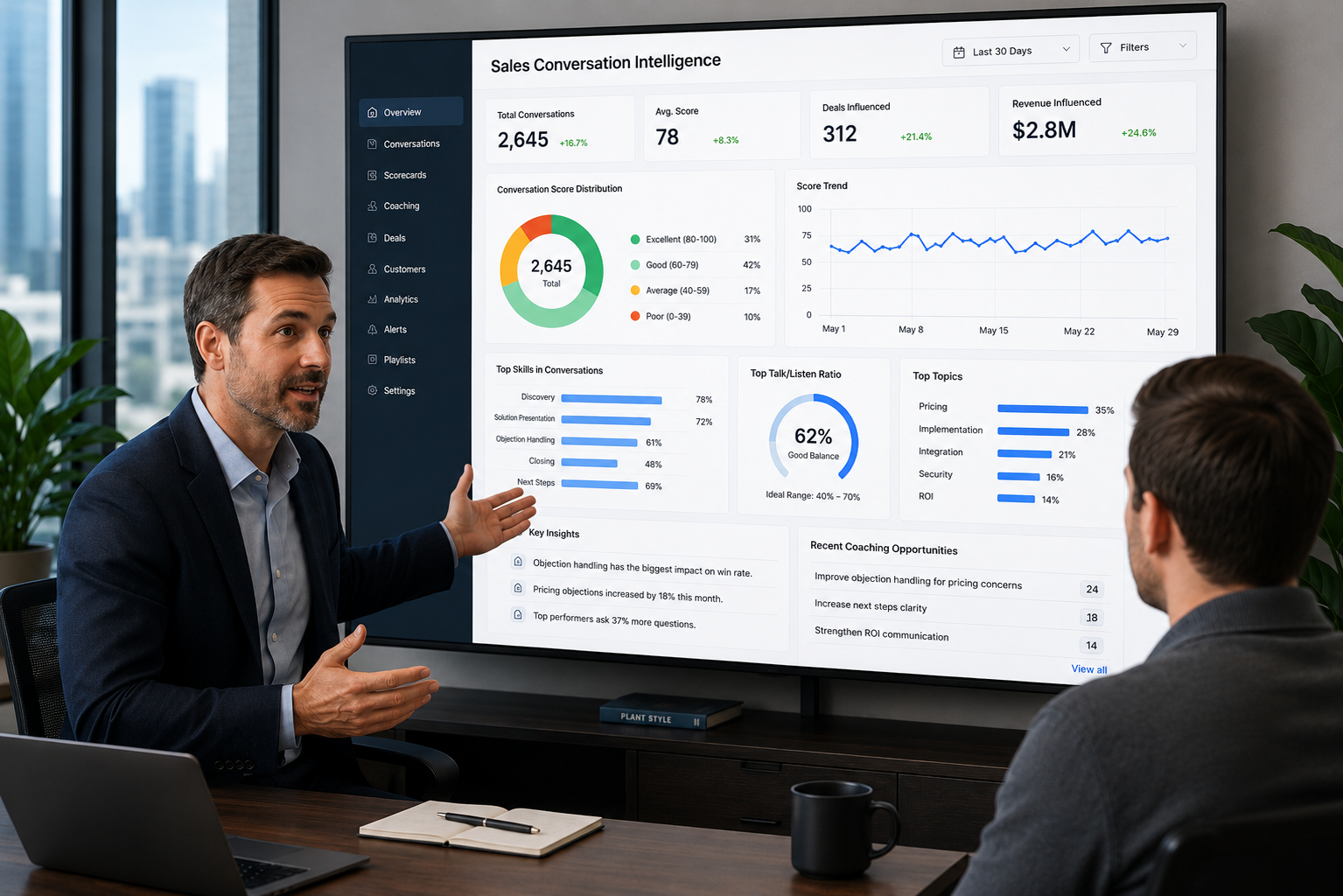
To ensure that the assessment form is effective, it should also include performance dashboards that visualize trends across agents and teams. This allows managers to quickly identify high performers and those who may need additional support. The ability to surface upsell and cross-sell opportunities in real-time during customer interactions can further enhance the effectiveness of communication strategies, ultimately driving revenue growth.
Moreover, the assessment form should be designed with multilingual support in mind, enabling organizations to evaluate global conversations accurately. This is particularly important for companies operating in diverse markets, as it ensures that communication assessments are relevant and effective across different languages and cultural contexts.
In summary, the essential elements of a Communication Skills Assessment Form prepared with AI Coaching include clear quality criteria, actionable coaching insights, identification of customer pain points, performance dashboards, and multilingual support. By leveraging AI-powered call analytics, organizations can transform their approach to communication skills assessment, leading to improved service quality, enhanced team performance, and increased revenue. This data-driven approach not only empowers managers to coach their teams effectively but also turns every customer interaction into actionable intelligence that drives business growth.
Comparison Table
Comparison Table
When preparing a Communication Skills Assessment Form with AI Coaching, organizations can leverage Insight7's AI-powered call analytics to enhance evaluation and development processes. The comparison table below highlights key features and benefits of traditional assessment methods versus AI-enhanced approaches:
| Feature/Benefit | Traditional Assessment Methods | AI-Powered Assessment with Insight7 |
|---|---|---|
| Call Evaluation | Manual review of selected calls | Automated evaluation of 100% of customer calls |
| Quality Criteria | Generic scoring criteria | Custom quality criteria tailored to business needs |
| Insight Generation | Limited insights based on subjective evaluations | Actionable insights derived from real conversations |
| Performance Tracking | Periodic performance reviews | Continuous monitoring of agent performance over time |
| Coaching Recommendations | General feedback without specific guidance | Personalized, AI-driven coaching suggestions |
| Customer Sentiment Detection | Manual analysis of customer feedback | Real-time sentiment detection during interactions |
| Multilingual Support | Limited language capabilities | Comprehensive multilingual support for global evaluations |
| Security Compliance | Varies by organization | Enterprise-grade security (GDPR and SOC2 compliant) |
By adopting AI-powered assessment tools, organizations can streamline their evaluation processes, enhance coaching effectiveness, and ultimately drive better communication outcomes within their teams. This data-driven approach not only improves service quality but also contributes to increased revenue growth through more effective customer interactions.
Selection Criteria
When preparing a Communication Skills Assessment Form with AI Coaching, organizations can significantly enhance their evaluation processes by leveraging AI-powered call analytics. This approach allows for the automatic evaluation of 100% of customer calls, ensuring that assessments are consistent and unbiased. Key elements to include in the assessment form are clear custom quality criteria aligned with organizational goals, actionable coaching insights derived from real conversations, and performance dashboards that visualize trends across agents and teams. Additionally, incorporating multilingual support ensures that evaluations are relevant across diverse markets. By utilizing these features, organizations can foster a culture of continuous improvement, enhance service quality, and ultimately drive revenue growth through more effective communication strategies.
Implementation Guide
When preparing a Communication Skills Assessment Form with AI Coaching, organizations can significantly enhance their evaluation processes by leveraging AI-powered call analytics. This approach allows for the automatic evaluation of 100% of customer calls, ensuring that assessments are consistent and unbiased. Key elements to include in the assessment form are clear custom quality criteria aligned with organizational goals, actionable coaching insights derived from real conversations, and performance dashboards that visualize trends across agents and teams. Additionally, incorporating multilingual support ensures that evaluations are relevant across diverse markets. By utilizing these features, organizations can foster a culture of continuous improvement, enhance service quality, and ultimately drive revenue growth through more effective communication strategies.
To implement this effectively, follow these steps:
-
Define Custom Quality Criteria: Align the assessment criteria with specific organizational goals, focusing on key aspects such as empathy, tone, and resolution effectiveness.
-
Automate Call Evaluations: Use Insight7’s AI capabilities to evaluate every customer interaction, ensuring comprehensive coverage and unbiased insights.
-
Generate Actionable Insights: Leverage AI-driven analytics to identify skill gaps and provide personalized coaching recommendations based on real conversations.
-
Visualize Performance Trends: Utilize performance dashboards to track agent performance over time, allowing for continuous monitoring and improvement.
-
Ensure Multilingual Support: Incorporate multilingual capabilities to evaluate and coach diverse teams effectively, ensuring relevance in global markets.
By adopting these strategies, organizations can streamline their assessment processes, enhance coaching effectiveness, and ultimately improve communication outcomes within their teams.
Frequently Asked Questions
Frequently Asked Questions
Q: What is the purpose of a Communication Skills Assessment Form with AI Coaching?
A: The form is designed to evaluate communication skills effectively by leveraging AI analytics to ensure unbiased assessments and actionable insights for coaching.
Q: How does AI enhance the evaluation process?
A: AI automates the evaluation of 100% of customer calls, scoring interactions against custom quality criteria and detecting sentiment and empathy levels, providing consistent insights.
Q: What key elements should be included in the assessment form?
A: Essential elements include custom quality criteria, actionable coaching insights from real conversations, and performance dashboards to visualize agent trends.
Q: Can the assessment form be used for multilingual teams?
A: Yes, Insight7’s platform supports multilingual evaluations, ensuring that assessments are relevant and effective across diverse markets.
Q: How can organizations benefit from using AI for communication assessments?
A: Organizations can foster a culture of continuous improvement, enhance service quality, and drive revenue growth through more effective communication strategies.