In today's competitive landscape, soft skills are essential for success in customer-facing roles. "Soft Skills Assessment Questions Practice with AI Scenarios" offers a unique approach to honing these skills through realistic, AI-driven scenarios. By simulating real-world interactions, individuals can practice and refine their communication, empathy, and problem-solving abilities. This method not only enhances personal development but also equips teams with the tools needed to improve customer experiences and drive revenue growth. In this article, we will explore effective soft skills assessment questions, the role of AI in creating immersive practice scenarios, and how these practices can lead to measurable improvements in performance and customer satisfaction. Embracing these strategies can empower organizations to cultivate a more skilled and adaptable workforce.
Soft Skills Assessment Questions for AI Scenarios
In the realm of customer-facing roles, soft skills are paramount. "Soft Skills Assessment Questions Practice with AI Scenarios" provides a dynamic approach to developing these skills through realistic, AI-driven scenarios. By immersing individuals in simulated interactions, they can practice and enhance their communication, empathy, and problem-solving abilities. This innovative method not only fosters personal growth but also equips teams with the essential tools to elevate customer experiences and drive revenue growth.
Soft skills assessment questions tailored for AI scenarios can significantly enhance the training process for customer support and CX teams. These questions can focus on various aspects, such as empathy, conflict resolution, and effective communication. For instance, a scenario might involve a customer expressing frustration over a service issue. The assessment could ask, "How would you respond to the customer to demonstrate empathy and resolve their concern?" This type of question encourages individuals to think critically about their responses and the impact of their tone and language on customer satisfaction.
AI-powered platforms, like Insight7, can automatically evaluate these interactions, providing unbiased insights into the effectiveness of responses. By scoring interactions against custom quality criteria, organizations can identify trends and areas for improvement. For example, if multiple agents struggle with empathy in their responses, targeted coaching recommendations can be generated to address this skill gap. This data-driven approach not only enhances individual performance but also contributes to overall team effectiveness.
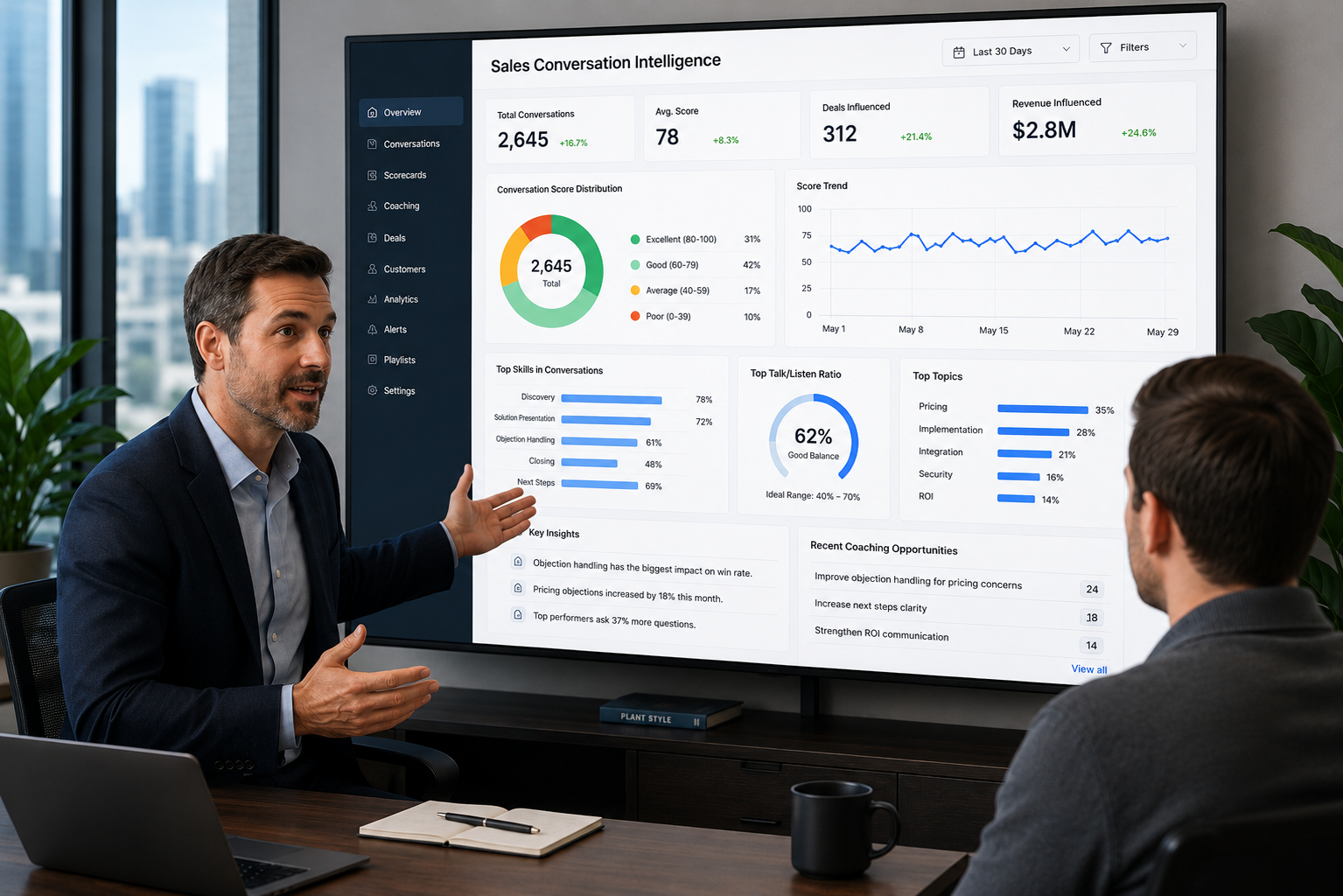
Moreover, the integration of AI in soft skills training allows for continuous monitoring and feedback. Performance dashboards can visualize trends across agents and teams, making it easier for managers to track improvement over time. This ongoing assessment ensures that teams are not only meeting compliance standards but are also equipped to handle customer interactions with confidence and professionalism.
In practice, organizations can implement soft skills assessment questions in various ways. Role-playing exercises can be enhanced with AI scenarios, where agents simulate customer interactions and receive immediate feedback. This hands-on approach allows for real-time learning and adjustment, making the training process more engaging and effective. Additionally, the multilingual support offered by AI platforms ensures that teams can practice and refine their skills in various languages, catering to a diverse customer base.
Ultimately, the goal of soft skills assessment questions in AI scenarios is to create a more skilled and adaptable workforce. By embracing these innovative training methods, organizations can cultivate a culture of continuous improvement, leading to enhanced customer satisfaction and increased revenue opportunities. As customer expectations evolve, investing in soft skills development will be crucial for maintaining a competitive edge in the marketplace.
In summary, leveraging AI-driven scenarios for soft skills assessment provides a comprehensive approach to training customer-facing teams. By focusing on empathy, communication, and problem-solving, organizations can empower their employees to excel in customer interactions, ultimately driving growth and success.
Comparison Table
In the realm of customer-facing roles, soft skills are paramount for success. "Soft Skills Assessment Questions Practice with AI Scenarios" offers a dynamic approach to developing these skills through realistic, AI-driven scenarios. By immersing individuals in simulated interactions, they can practice and enhance their communication, empathy, and problem-solving abilities. This innovative method not only fosters personal growth but also equips teams with essential tools to elevate customer experiences and drive revenue growth.
Soft skills assessment questions tailored for AI scenarios can significantly enhance the training process for customer support and CX teams. These questions can focus on various aspects, such as empathy, conflict resolution, and effective communication. For instance, a scenario might involve a customer expressing frustration over a service issue. The assessment could ask, "How would you respond to the customer to demonstrate empathy and resolve their concern?" This type of question encourages individuals to think critically about their responses and the impact of their tone and language on customer satisfaction.
AI-powered platforms, like Insight7, can automatically evaluate these interactions, providing unbiased insights into the effectiveness of responses. By scoring interactions against custom quality criteria, organizations can identify trends and areas for improvement. For example, if multiple agents struggle with empathy in their responses, targeted coaching recommendations can be generated to address this skill gap. This data-driven approach not only enhances individual performance but also contributes to overall team effectiveness.
Moreover, the integration of AI in soft skills training allows for continuous monitoring and feedback. Performance dashboards can visualize trends across agents and teams, making it easier for managers to track improvement over time. This ongoing assessment ensures that teams are not only meeting compliance standards but are also equipped to handle customer interactions with confidence and professionalism.
In practice, organizations can implement soft skills assessment questions in various ways. Role-playing exercises can be enhanced with AI scenarios, where agents simulate customer interactions and receive immediate feedback. This hands-on approach allows for real-time learning and adjustment, making the training process more engaging and effective. Additionally, the multilingual support offered by AI platforms ensures that teams can practice and refine their skills in various languages, catering to a diverse customer base.
Ultimately, the goal of soft skills assessment questions in AI scenarios is to create a more skilled and adaptable workforce. By embracing these innovative training methods, organizations can cultivate a culture of continuous improvement, leading to enhanced customer satisfaction and increased revenue opportunities. As customer expectations evolve, investing in soft skills development will be crucial for maintaining a competitive edge in the marketplace.
In summary, leveraging AI-driven scenarios for soft skills assessment provides a comprehensive approach to training customer-facing teams. By focusing on empathy, communication, and problem-solving, organizations can empower their employees to excel in customer interactions, ultimately driving growth and success.
Selection Criteria
Selection Criteria
When assessing soft skills through AI scenarios, the selection criteria should focus on key competencies such as empathy, communication, and problem-solving. Candidates should demonstrate their ability to navigate complex customer interactions, particularly in high-pressure situations. For instance, they might be presented with a scenario where a customer is frustrated with a service issue and asked how they would respond to de-escalate the situation while maintaining professionalism.
Additionally, the evaluation should include the ability to adapt responses based on customer sentiment, as detected by AI analytics. This ensures that candidates not only understand the theoretical aspects of soft skills but can also apply them effectively in real-world situations. Continuous feedback from AI-driven assessments will help identify areas for improvement, fostering a culture of growth and development within customer-facing teams.
Implementation Guide
Implementation Guide
To effectively implement "Soft Skills Assessment Questions Practice with AI Scenarios," organizations should start by integrating AI-powered platforms like Insight7 into their training programs. Begin by identifying key soft skills relevant to customer interactions, such as empathy, communication, and conflict resolution. Develop tailored AI scenarios that reflect real-world customer situations, allowing team members to practice their responses in a controlled environment.
Utilize AI analytics to evaluate interactions automatically, scoring them against custom quality criteria. This will provide unbiased insights into performance and highlight areas for improvement. Managers can leverage these insights to create targeted coaching plans, ensuring continuous development. Regularly review performance dashboards to track progress and adapt training strategies as needed. By fostering a culture of ongoing learning and feedback, organizations can enhance their customer-facing teams' effectiveness and drive overall success.
Frequently Asked Questions
Q: What are soft skills assessment questions in AI scenarios?
A: Soft skills assessment questions in AI scenarios are designed to evaluate competencies like empathy, communication, and problem-solving through simulated customer interactions. These scenarios provide a realistic environment for candidates to demonstrate their abilities.
Q: How can AI scenarios improve soft skills training?
A: AI scenarios enhance soft skills training by offering personalized feedback and insights based on real-time interactions. This allows team members to practice and refine their skills in a controlled setting, leading to better performance in actual customer engagements.
Q: What types of soft skills can be assessed using AI?
A: AI can assess various soft skills, including empathy, active listening, conflict resolution, and adaptability. These skills are crucial for effective communication and customer service in high-pressure situations.
Q: How does Insight7 facilitate soft skills assessment?
A: Insight7 uses AI-powered call analytics to automatically evaluate customer interactions, scoring them against custom quality criteria. This provides unbiased insights that help identify skill gaps and inform targeted coaching recommendations.
Q: Why is continuous feedback important in soft skills training?
A: Continuous feedback is vital as it fosters a culture of growth and development, allowing team members to identify areas for improvement and enhance their soft skills over time. This leads to better customer experiences and improved service quality.