In today's rapidly evolving educational landscape, assessing soft skills in high school students has become increasingly essential. Leveraging AI technology for this purpose offers a transformative approach, enabling educators to evaluate critical interpersonal skills such as communication, teamwork, and problem-solving with greater accuracy and efficiency. AI-driven assessments can provide real-time feedback, helping students identify their strengths and areas for improvement. This not only enhances their learning experience but also prepares them for future academic and professional endeavors. By integrating AI into soft skills assessment, educators can foster a more holistic educational environment that prioritizes the development of essential life skills alongside traditional academic achievements. In this article, we will explore the methodologies, benefits, and implications of using AI for soft skills assessment in high school settings.
AI Tools for Assessing Soft Skills in High School Students
AI tools for assessing soft skills in high school students represent a significant advancement in educational methodologies. By leveraging AI technology, educators can evaluate essential interpersonal skills such as communication, teamwork, and problem-solving with greater precision and efficiency. These AI-driven assessments not only provide real-time feedback but also help students identify their strengths and areas for improvement, ultimately enhancing their learning experience and preparing them for future academic and professional endeavors.
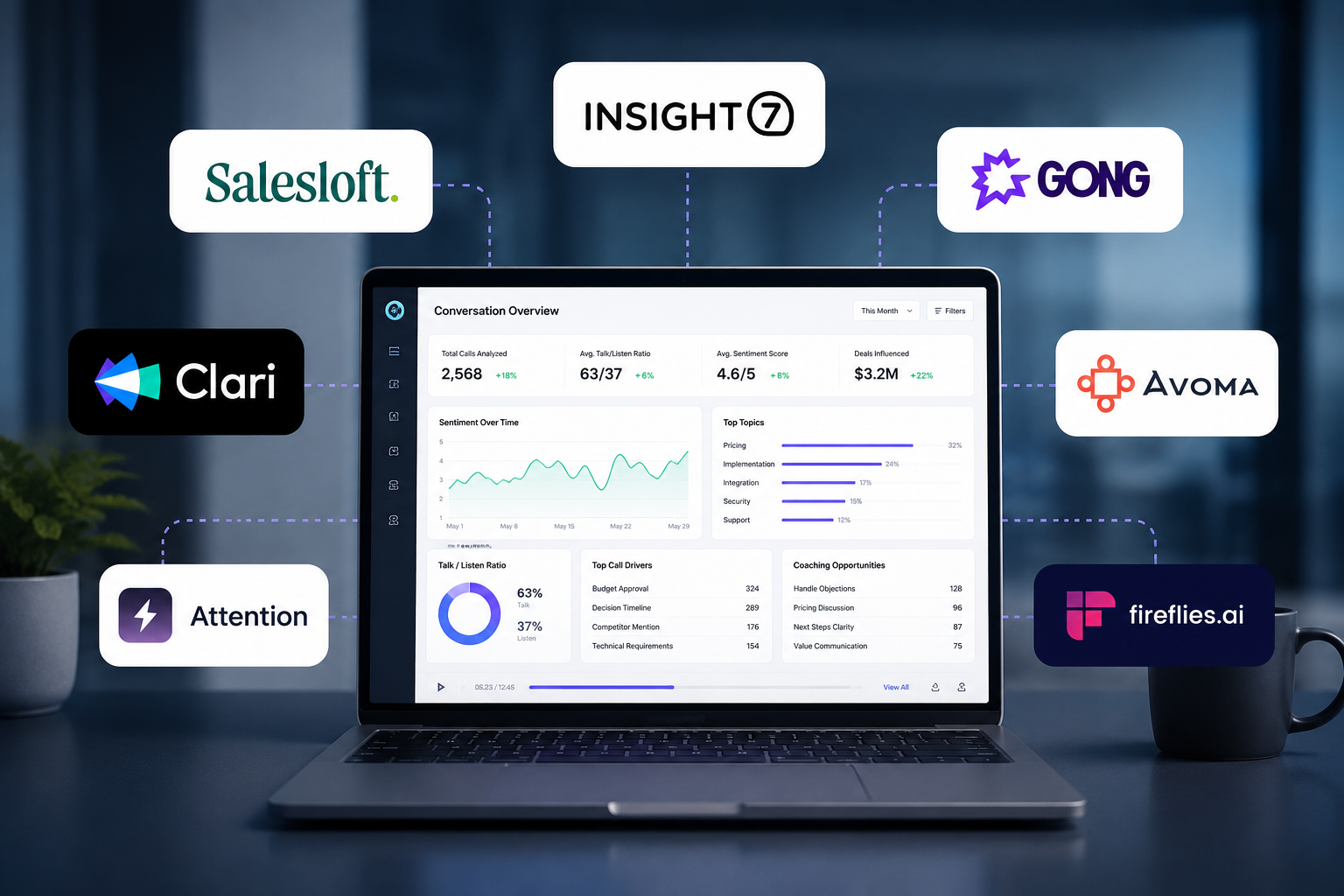
One of the key methodologies for implementing AI in soft skills assessment is through automated evaluation systems. These systems can analyze student interactions in various settings, such as group projects or presentations, to score their performance against predefined quality criteria. For instance, AI can detect elements like sentiment, empathy, and resolution effectiveness during peer interactions, providing educators with valuable insights into each student's soft skills development. This approach mirrors the capabilities of platforms like Insight7, which automatically evaluates customer interactions, allowing for consistent and unbiased assessments across different contexts.
The benefits of using AI for soft skills assessment extend beyond mere evaluation. By generating actionable insights from real conversations and interactions, AI tools can assist educators in identifying skill gaps and suggesting targeted coaching recommendations. This is particularly important in high school settings, where students are often navigating complex social dynamics and learning to collaborate effectively with peers. Continuous monitoring of student performance enables educators to track improvement over time, fostering a growth mindset among students as they receive constructive feedback.
Moreover, AI-driven assessments can enhance the overall educational experience by integrating soft skills development into the curriculum. For example, educators can use AI tools to create customized evaluation templates that align with their specific teaching frameworks. This flexibility allows for a more tailored approach to soft skills assessment, ensuring that the evaluation process is relevant and meaningful to students. Additionally, AI can uncover recurring themes and trends in student interactions, helping educators refine their teaching strategies and address common challenges faced by students.
As high school students prepare for their future careers, the importance of soft skills cannot be overstated. Employers increasingly seek candidates who possess strong interpersonal skills alongside technical knowledge. By incorporating AI tools into the assessment of these skills, educators can better prepare students for the demands of the workforce. The insights gained from AI assessments can inform career counseling and skill development programs, ensuring that students are equipped with the competencies needed to succeed in their chosen fields.
In conclusion, the integration of AI tools for assessing soft skills in high school students offers a transformative approach to education. By providing accurate evaluations, actionable insights, and continuous feedback, these tools empower educators to foster a holistic learning environment that prioritizes the development of essential life skills. As the educational landscape continues to evolve, embracing AI technology will be crucial in preparing students for the challenges and opportunities that lie ahead.
Comparison Table
Comparison Table
The integration of AI in soft skills assessment for high school students offers several advantages over traditional evaluation methods. AI-powered tools can automatically evaluate student interactions, providing unbiased assessments based on predefined quality criteria. This contrasts with manual evaluations, which can be subjective and inconsistent. Additionally, AI systems can analyze sentiment, empathy, and resolution effectiveness in real-time, delivering immediate feedback to students.
Moreover, AI tools generate actionable insights that help educators identify skill gaps and suggest targeted coaching recommendations. In comparison, traditional methods often lack the ability to provide such detailed analytics. Furthermore, AI-driven assessments can continuously monitor student performance, fostering a growth mindset and allowing for tailored educational experiences. Overall, AI enhances the accuracy, efficiency, and effectiveness of soft skills assessment in high school settings.
Selection Criteria
Selection Criteria
When assessing soft skills in high school students using AI, several selection criteria are essential to ensure effective evaluation. First, the AI system must demonstrate the ability to automatically evaluate student interactions, scoring them against predefined quality criteria that include communication, teamwork, and problem-solving. The technology should also analyze sentiment and empathy, providing unbiased insights into each student's performance.
Additionally, the system should generate actionable feedback that educators can use to identify skill gaps and suggest targeted coaching recommendations. Continuous monitoring of student performance is crucial, allowing for the tracking of improvement over time. Lastly, the AI tool must align with educators' specific teaching frameworks, ensuring that assessments are relevant and meaningful to students, ultimately preparing them for future career demands.
Implementation Guide
Implementation Guide
Implementing an AI-powered soft skills assessment for high school students involves several key steps. First, select a robust AI platform capable of evaluating student interactions based on predefined criteria such as communication, teamwork, and problem-solving. Ensure the system can analyze sentiment and empathy, providing unbiased insights into each student's performance.
Next, integrate the AI tool into existing educational frameworks, allowing educators to leverage actionable feedback for identifying skill gaps. Continuous monitoring of student performance is crucial; this enables tracking of improvement over time and fosters a growth mindset. Finally, provide training for educators on how to interpret AI-generated insights and incorporate them into coaching recommendations, ensuring the assessments are relevant and meaningful for students' future career readiness.
Frequently Asked Questions
Q: What is a Soft Skills Assessment for High School Students Using AI?
A: A Soft Skills Assessment for high school students using AI evaluates essential interpersonal skills like communication, teamwork, and problem-solving through automated analysis of student interactions, providing actionable feedback for educators.
Q: How does AI evaluate soft skills in students?
A: AI evaluates soft skills by analyzing student interactions against predefined quality criteria, scoring them on aspects such as sentiment, empathy, and resolution effectiveness to deliver unbiased insights.
Q: What are the benefits of using AI for soft skills assessment?
A: The benefits include automated evaluations of 100% of interactions, continuous performance monitoring, and the generation of personalized coaching recommendations, which help educators identify skill gaps and track student improvement over time.
Q: How can educators use the insights from AI assessments?
A: Educators can leverage AI-generated insights to tailor coaching recommendations, refine teaching methods, and enhance training programs, ensuring that assessments align with specific educational frameworks.
Q: Is the AI system secure and compliant?
A: Yes, the AI system is designed with enterprise-grade security and complies with regulations such as GDPR and SOC2, ensuring the protection of student data throughout the assessment process.