Learning Skills Self-Assessment with AI Development Support offers a transformative approach to enhancing individual learning capabilities. By leveraging AI technology, learners can engage in self-assessment processes that provide personalized feedback, identify strengths and weaknesses, and create adaptive learning paths tailored to their needs. This integration of AI not only streamlines the assessment process but also fosters a deeper understanding of individual learning styles and preferences. As organizations increasingly prioritize employee development, utilizing AI-driven self-assessment tools can significantly enhance training programs, improve performance, and ultimately drive growth. In this article, we will explore the benefits of AI in self-assessment, the key features of effective tools, and how they can be implemented to support continuous learning and development.
AI-Driven Self-Assessment Tools for Learning Skills
AI-driven self-assessment tools are revolutionizing the way individuals evaluate their learning skills, providing tailored insights and actionable feedback that enhance personal and professional development. By leveraging advanced AI technologies, these tools enable learners to engage in a self-assessment process that identifies strengths and weaknesses, ultimately fostering a more effective learning journey. In this section, we will delve into how AI development support can enhance learning skills self-assessment, the core features of effective tools, and their practical applications in various learning environments.
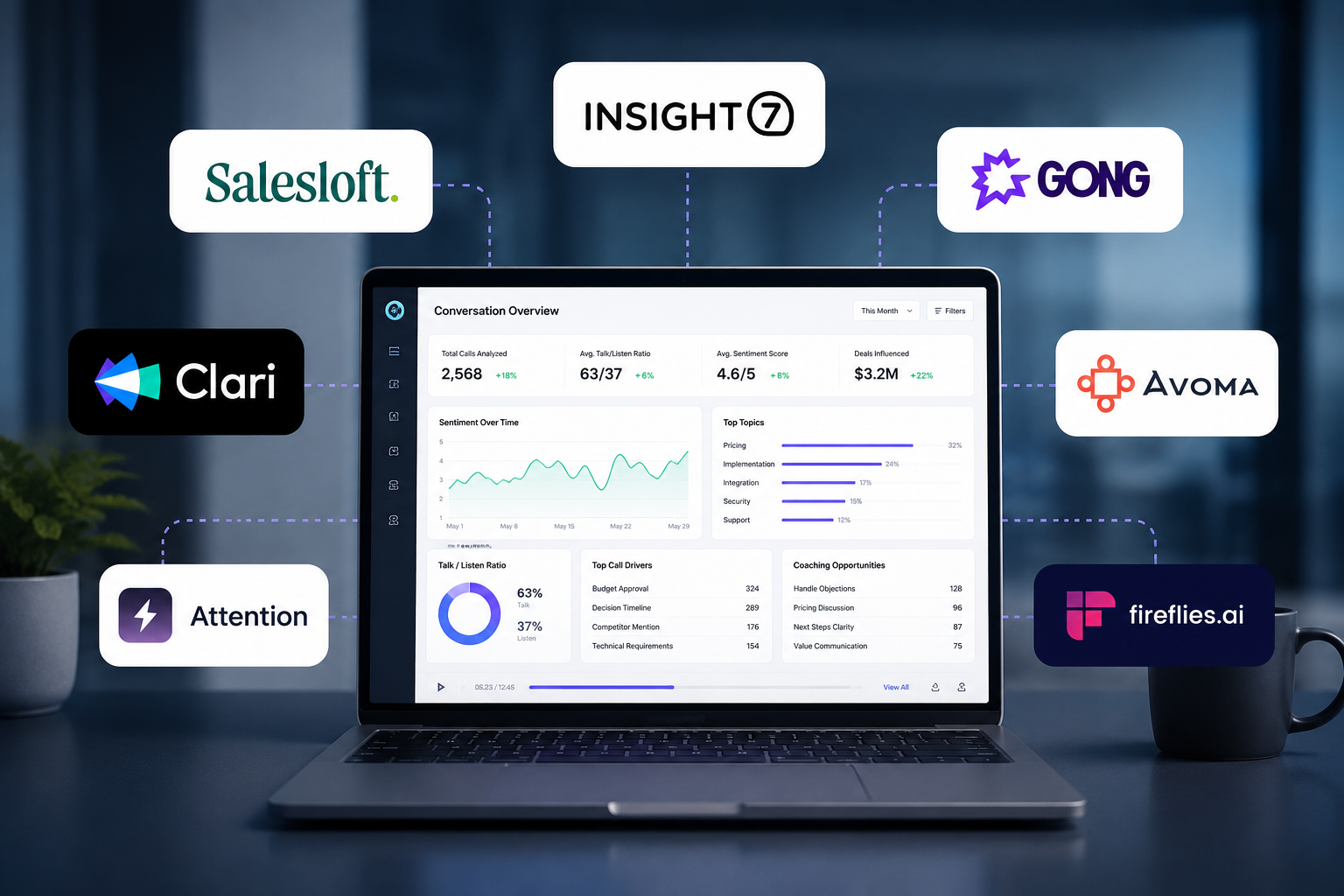
AI development support plays a crucial role in creating self-assessment tools that are not only user-friendly but also highly effective in delivering personalized insights. One of the primary advantages of AI-driven self-assessment tools is their ability to automatically evaluate interactions, whether in customer service, sales, or research contexts. For instance, Insight7’s AI-powered call analytics platform evaluates customer conversations to uncover insights that drive revenue and improve service quality. By applying similar principles to learning skills assessment, organizations can create tools that analyze learners' responses and interactions, providing them with immediate feedback on their performance.
These AI-driven tools utilize advanced algorithms to score interactions against custom quality criteria, detecting various elements such as sentiment, empathy, and resolution effectiveness. This capability allows learners to receive consistent and unbiased evaluations, which are essential for identifying areas for improvement. For example, a learner may engage in a self-assessment that evaluates their communication skills during a simulated customer interaction. The AI tool can analyze their responses, highlight strengths, and pinpoint specific areas where they may need further development, such as tone or empathy in their communication style.
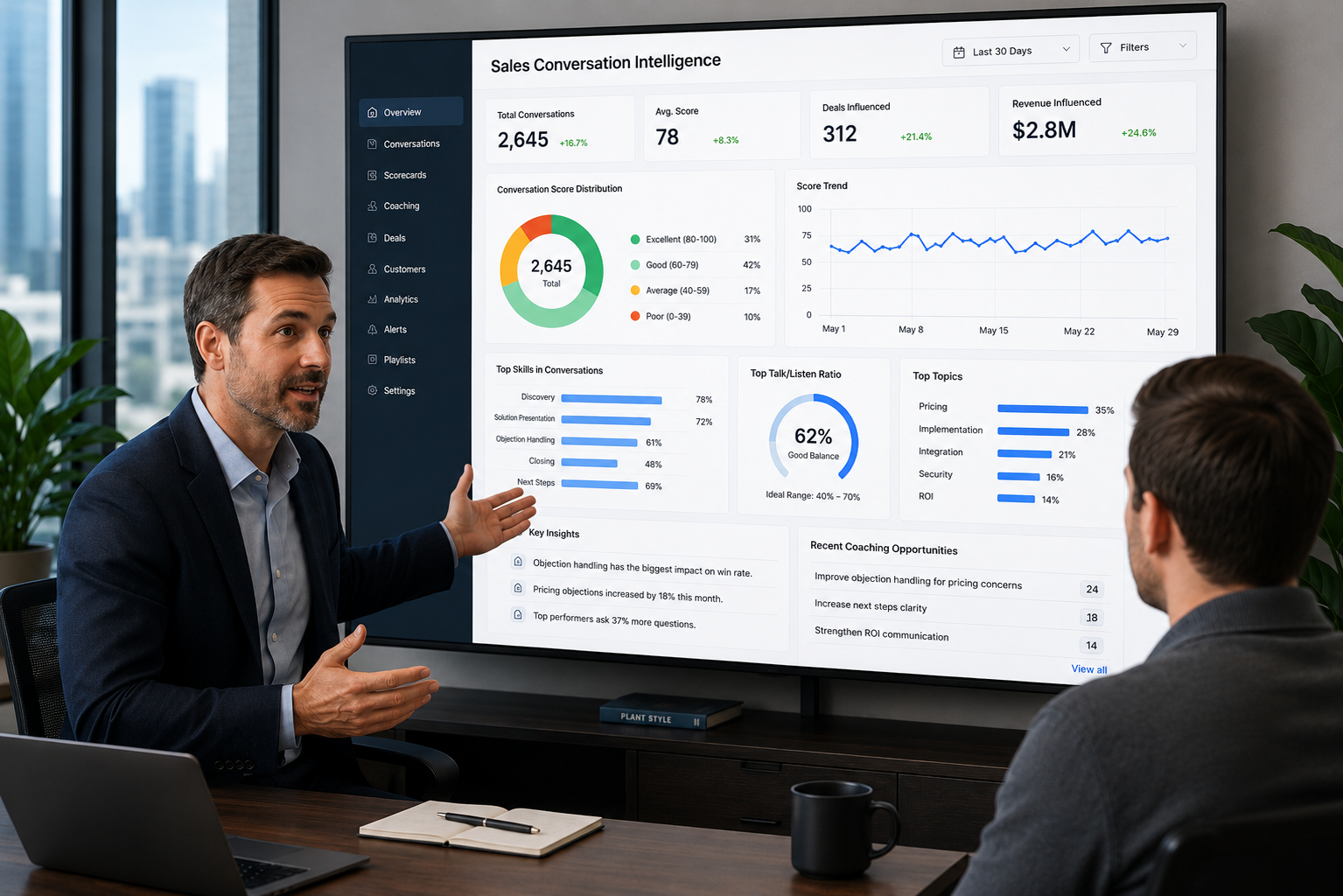
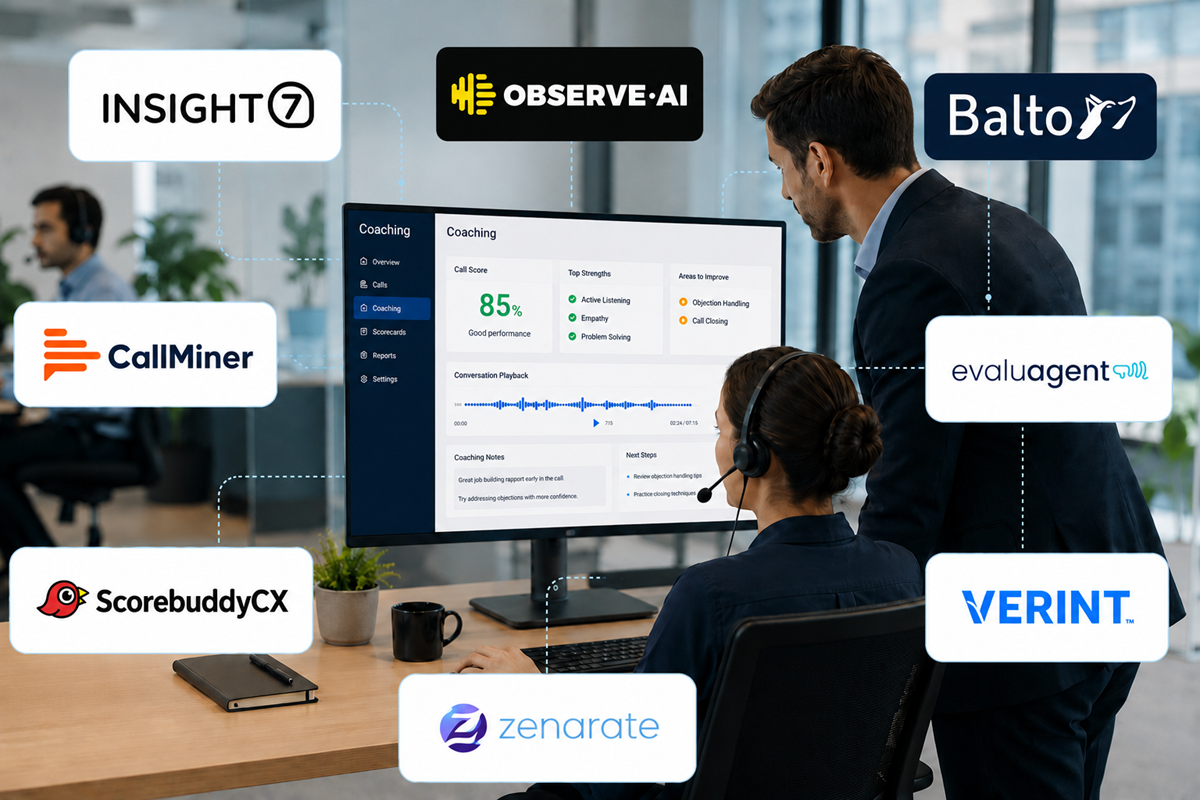
Coaching and performance management are also integral components of AI-driven self-assessment tools. By generating actionable coaching insights from real conversations, these tools help learners track their performance over time and identify skill gaps. This continuous monitoring allows for targeted coaching recommendations that are tailored to individual learning needs. In a corporate setting, managers can leverage these insights to enhance training programs, ensuring that employees receive the support they need to succeed in their roles.
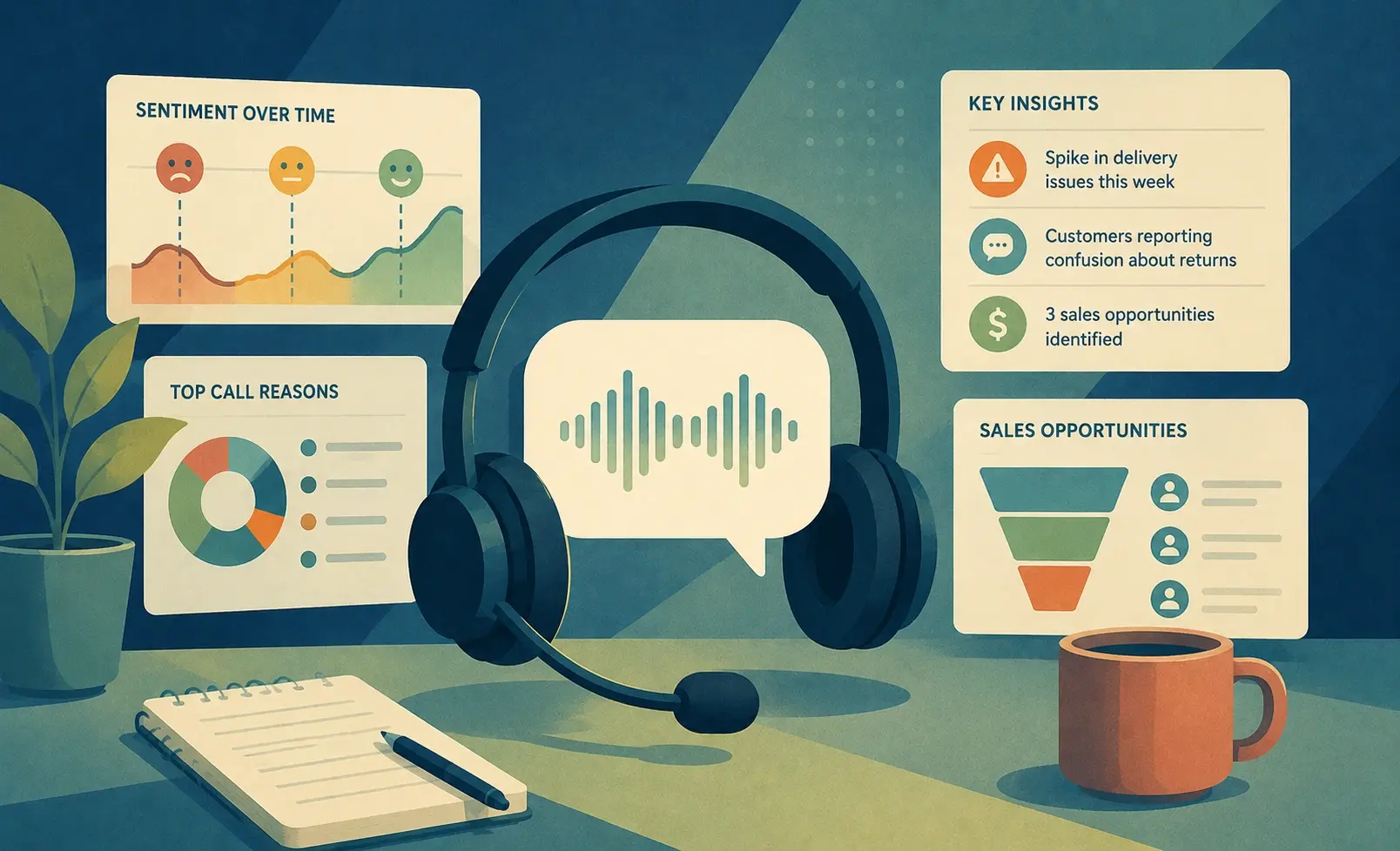
Moreover, AI-driven self-assessment tools can uncover recurring pain points and sentiment trends, providing learners with a comprehensive understanding of their performance in various contexts. By identifying drivers of satisfaction and escalation, these tools enable learners to refine their approaches and improve outcomes. For instance, a learner may discover that they consistently struggle with handling objections during sales calls. Armed with this knowledge, they can focus their self-assessment efforts on developing strategies to overcome these challenges.
The implementation of AI-driven self-assessment tools can significantly enhance training programs and improve overall performance. By integrating these tools into existing learning frameworks, organizations can create adaptive learning paths that cater to individual preferences and learning styles. This personalized approach not only fosters engagement but also empowers learners to take ownership of their development journey.
In conclusion, AI-driven self-assessment tools for learning skills offer a transformative approach to personal and professional development. By leveraging AI development support, organizations can create effective tools that provide personalized feedback, identify strengths and weaknesses, and enhance training programs. As the demand for continuous learning and development grows, the integration of AI-driven self-assessment tools will play a pivotal role in shaping the future of education and employee training.
Q: How do AI-driven self-assessment tools enhance learning skills?
A: They provide personalized feedback, identify strengths and weaknesses, and create adaptive learning paths tailored to individual needs.
Q: What role does AI development support play in these tools?
A: AI development support helps create user-friendly and effective tools that automatically evaluate interactions and deliver actionable insights.
Q: Can these tools be used in corporate training programs?
A: Yes, they can enhance training programs by providing continuous monitoring and targeted coaching recommendations for employees.
Q: What are the benefits of using AI-driven self-assessment tools?
A: Benefits include improved performance, personalized learning experiences, and the ability to identify and address skill gaps effectively.
Comparison Table
Comparison Table
The "Learning Skills Self-Assessment with AI Development Support" offers a unique approach to enhancing individual learning capabilities through AI technology. This comparison highlights key features of Insight7’s AI-powered call analytics platform, which can be applied to learning skills assessment.
| Feature | Insight7 Call Analytics | Learning Skills Self-Assessment |
|---|---|---|
| AI Evaluation | Automatically evaluates 100% of customer calls | Automatically assesses learner interactions |
| Feedback Mechanism | Provides unbiased QA insights | Delivers personalized feedback on learning skills |
| Performance Tracking | Tracks agent performance over time | Monitors learner progress and skill development |
| Coaching Insights | Generates actionable coaching recommendations | Offers tailored coaching based on assessment results |
| Sentiment Detection | Analyzes customer sentiment and empathy | Evaluates learner engagement and emotional responses |
| Custom Evaluation Templates | Aligns scoring to internal frameworks | Adapts assessments to individual learning needs |
| Multilingual Support | Supports global conversations | Facilitates assessments in multiple languages |
| Security Compliance | GDPR and SOC2 compliant | Ensures data privacy and security for learners |
This table illustrates how AI-driven tools can effectively enhance both customer interactions and learning assessments, providing actionable insights that drive improvement and growth.
Selection Criteria
Selection Criteria
When evaluating "Learning Skills Self-Assessment with AI Development Support," consider the following criteria:
-
AI Evaluation Capabilities: The tool should automatically assess learner interactions, providing unbiased evaluations that highlight strengths and weaknesses in real-time.
-
Feedback Mechanism: Look for systems that deliver personalized feedback tailored to individual learning needs, enabling users to understand their performance clearly.
-
Performance Tracking: The solution must track learner progress over time, allowing for continuous improvement and identification of skill gaps.
-
Coaching Insights: Effective tools should generate actionable coaching recommendations based on assessment results, helping learners develop targeted strategies for improvement.
-
Sentiment Detection: The ability to analyze engagement and emotional responses during assessments is crucial for understanding learner motivation and satisfaction.
-
Custom Evaluation Templates: Ensure the platform allows for customizable assessments that align with specific learning frameworks or objectives.
-
Security Compliance: The tool must adhere to data privacy regulations, ensuring that learner information is securely managed and compliant with standards like GDPR.
By focusing on these criteria, organizations can select an AI-driven self-assessment tool that enhances learning outcomes and supports continuous development.
Implementation Guide
Implementation Guide
Implementing a "Learning Skills Self-Assessment with AI Development Support" involves several key steps to ensure effective integration and utilization. Begin by identifying the specific learning objectives and skill areas to assess. Utilize AI tools to automatically evaluate learner interactions, providing unbiased feedback on performance. Establish a robust feedback mechanism that delivers personalized insights tailored to individual learning needs, enabling users to understand their strengths and weaknesses clearly.
Next, track learner progress over time to facilitate continuous improvement and identify skill gaps. Generate actionable coaching recommendations based on assessment results, helping learners develop targeted strategies for enhancement. Ensure the platform supports multilingual capabilities to cater to diverse learner populations and complies with data privacy regulations, safeguarding learner information. By following these steps, organizations can effectively leverage AI to enhance learning outcomes and foster continuous development.
Frequently Asked Questions
Frequently Asked Questions
Q: What is "Learning Skills Self-Assessment with AI Development Support"?
A: This is an innovative approach that utilizes AI technology to evaluate and enhance learning skills through personalized assessments, feedback, and coaching insights tailored to individual needs.
Q: How does AI improve the self-assessment process?
A: AI automates the evaluation of learner interactions, providing unbiased feedback and identifying strengths and weaknesses in real-time, which helps learners understand their performance more clearly.
Q: Can this tool track progress over time?
A: Yes, it continuously monitors learner progress, allowing for the identification of skill gaps and facilitating ongoing improvement through actionable insights.
Q: What types of coaching insights can I expect?
A: The system generates personalized coaching recommendations based on assessment results, helping learners develop targeted strategies for enhancement.
Q: Is the platform secure and compliant with data regulations?
A: Absolutely, the tool adheres to data privacy regulations, ensuring that learner information is securely managed and compliant with standards like GDPR.