In today's fast-paced business environment, identifying leadership skills gaps is crucial for organizational success. AI technology offers innovative solutions to assess these gaps effectively, enabling leaders to pinpoint development opportunities. By leveraging AI-powered call analytics, organizations can evaluate customer interactions, uncover insights, and enhance coaching strategies. This approach not only streamlines the assessment process but also provides actionable intelligence that drives performance improvement. In this article, we will explore how AI identifies leadership skills gaps, the benefits of using AI for development, and practical steps organizations can take to harness this technology for effective leadership training and growth. Embracing AI in leadership assessment can transform how organizations nurture talent and foster a culture of continuous improvement.
AI-Powered Tools for Identifying Leadership Skills Gaps
AI-powered tools are revolutionizing the way organizations assess leadership skills gaps, providing a more efficient and insightful approach to identifying development opportunities. By leveraging advanced call analytics, organizations can evaluate customer interactions, uncover insights, and enhance coaching strategies. This not only streamlines the assessment process but also equips leaders with actionable intelligence that drives performance improvement. In this section, we will delve into how AI identifies leadership skills gaps, the benefits of utilizing AI for development, and practical steps organizations can take to harness this technology for effective leadership training and growth.
AI-powered call analytics platforms, such as Insight7, automatically evaluate customer-facing conversations, scoring interactions against custom quality criteria. This capability allows organizations to detect sentiment, empathy, and resolution effectiveness in real-time. By analyzing these interactions, leaders can pinpoint specific areas where their team members may be lacking in essential leadership skills. For instance, if a customer service representative consistently struggles with empathy during calls, AI can highlight this gap, prompting targeted coaching interventions.
The coaching and performance management features of AI tools further enhance the identification of leadership skills gaps. By generating actionable insights from real conversations, organizations can track agent performance over time and identify skill deficiencies. This continuous monitoring allows leaders to suggest tailored coaching recommendations that address specific weaknesses, ensuring that development efforts are focused and effective. With AI's ability to analyze 100% of customer calls, organizations can gain a comprehensive understanding of their team's strengths and weaknesses, leading to more informed decisions regarding leadership development.
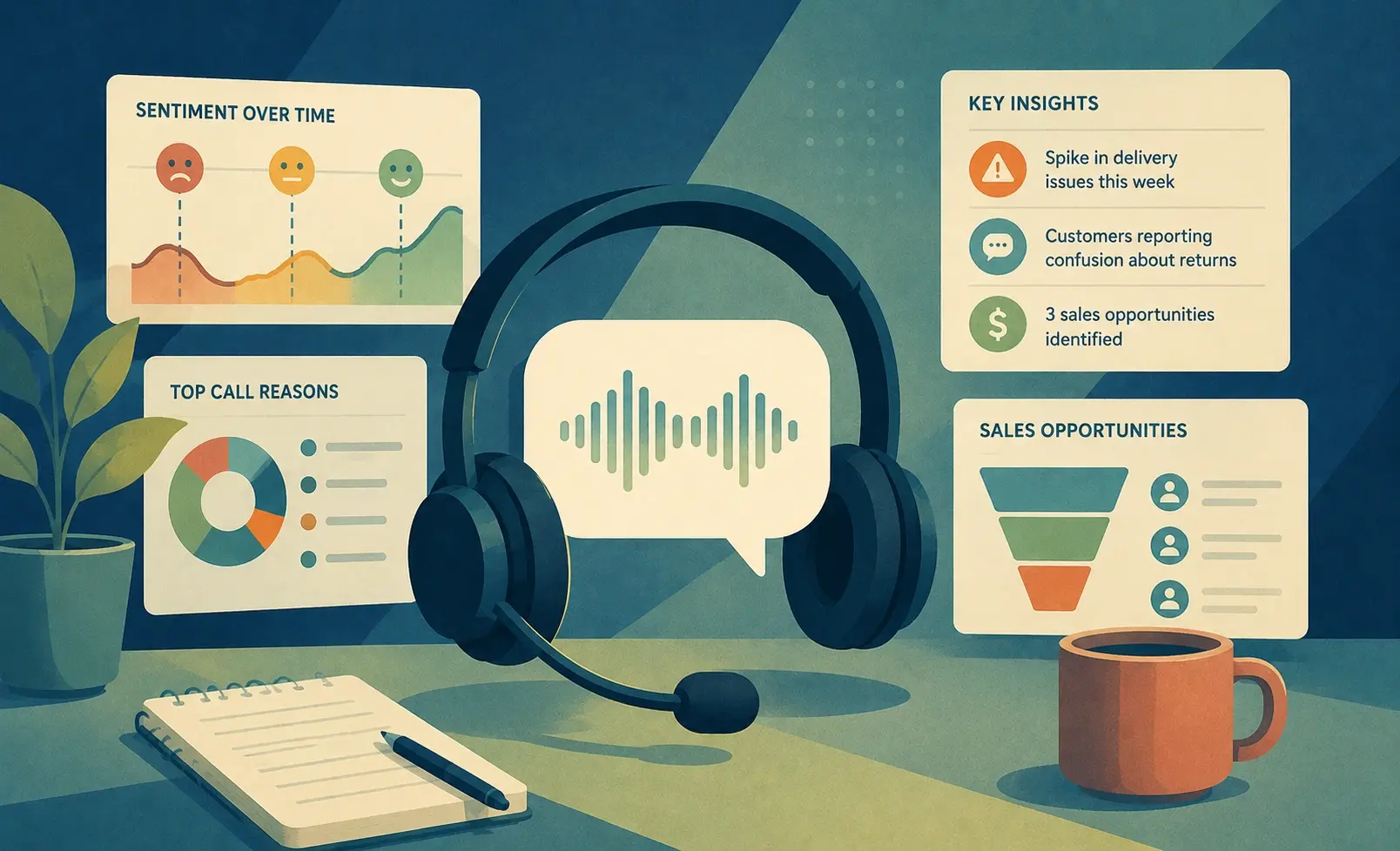
Moreover, AI-powered tools can uncover recurring customer pain points and sentiment trends, providing valuable context for leadership assessments. By identifying drivers of satisfaction and escalation, organizations can better understand the skills their leaders need to cultivate to enhance customer experience. For example, if data reveals that customers frequently express frustration over unresolved issues, leaders can prioritize training in problem-solving and conflict resolution skills for their teams.
The integration of AI in leadership assessment not only improves the accuracy of evaluations but also enhances the overall coaching process. With performance dashboards that visualize trends across agents and teams, leaders can easily monitor progress and identify areas for improvement. This data-driven approach fosters a culture of continuous learning and development, empowering leaders to take proactive steps in addressing skills gaps.
To effectively harness AI for leadership skills assessment, organizations should consider the following practical steps:
-
Implement AI-Powered Call Analytics: Invest in a robust AI call analytics platform that can evaluate customer interactions comprehensively. This will provide a solid foundation for identifying leadership skills gaps.
-
Establish Custom Quality Criteria: Define specific quality criteria that align with your organization's leadership goals. This will ensure that the AI tool evaluates interactions based on relevant metrics.
-
Utilize Coaching Insights: Leverage the actionable coaching insights generated by AI to inform training programs and development plans. Tailor coaching recommendations to address identified skills gaps.
-
Monitor Performance Continuously: Regularly track agent performance and improvement over time. Use AI-generated data to adapt coaching strategies and ensure ongoing development.
-
Foster a Culture of Feedback: Encourage open communication and feedback among team members. Utilize AI insights to facilitate constructive discussions around performance and growth.
By embracing AI in leadership assessment, organizations can transform their approach to talent development. The ability to identify skills gaps accurately and provide targeted coaching not only enhances individual performance but also contributes to the overall success of the organization. As businesses continue to navigate an increasingly competitive landscape, leveraging AI-powered tools will be essential for fostering effective leadership and driving sustainable growth.
Comparison Table
AI technology is transforming how organizations assess leadership skills gaps by providing efficient and insightful methods to identify development opportunities. By utilizing AI-powered call analytics, companies can evaluate customer interactions, uncover valuable insights, and enhance coaching strategies. This innovative approach not only streamlines the assessment process but also equips leaders with actionable intelligence that drives performance improvement. In this article, we will explore how AI identifies leadership skills gaps, the benefits of using AI for development, and practical steps organizations can take to harness this technology for effective leadership training and growth.
AI-powered tools, such as Insight7, automatically evaluate customer-facing conversations, scoring interactions against custom quality criteria. This capability allows organizations to detect sentiment, empathy, and resolution effectiveness in real-time. By analyzing these interactions, leaders can pinpoint specific areas where their team members may be lacking essential leadership skills. For instance, if a customer service representative consistently struggles with empathy during calls, AI can highlight this gap, prompting targeted coaching interventions.
The coaching and performance management features of AI tools further enhance the identification of leadership skills gaps. By generating actionable insights from real conversations, organizations can track agent performance over time and identify skill deficiencies. This continuous monitoring allows leaders to suggest tailored coaching recommendations that address specific weaknesses, ensuring that development efforts are focused and effective. With AI's ability to analyze 100% of customer calls, organizations can gain a comprehensive understanding of their team's strengths and weaknesses, leading to more informed decisions regarding leadership development.
Moreover, AI-powered tools can uncover recurring customer pain points and sentiment trends, providing valuable context for leadership assessments. By identifying drivers of satisfaction and escalation, organizations can better understand the skills their leaders need to cultivate to enhance customer experience. For example, if data reveals that customers frequently express frustration over unresolved issues, leaders can prioritize training in problem-solving and conflict resolution skills for their teams.
To effectively harness AI for leadership skills assessment, organizations should implement AI-powered call analytics, establish custom quality criteria, utilize coaching insights, monitor performance continuously, and foster a culture of feedback. By embracing AI in leadership assessment, organizations can transform their approach to talent development, accurately identify skills gaps, and provide targeted coaching that enhances individual performance and contributes to overall organizational success.
Selection Criteria
AI-powered tools are revolutionizing the assessment of leadership skills gaps by providing organizations with efficient and insightful methods to identify development opportunities. By utilizing AI-driven call analytics, companies can evaluate customer interactions, uncover valuable insights, and enhance coaching strategies. This innovative approach not only streamlines the assessment process but also equips leaders with actionable intelligence that drives performance improvement.
AI platforms like Insight7 automatically evaluate customer-facing conversations, scoring interactions against custom quality criteria. This capability allows organizations to detect sentiment, empathy, and resolution effectiveness in real-time. For instance, if a customer service representative struggles with empathy during calls, AI can highlight this gap, prompting targeted coaching interventions.
Furthermore, the coaching and performance management features of AI tools enhance the identification of leadership skills gaps. By generating actionable insights from real conversations, organizations can track agent performance over time and identify skill deficiencies. This continuous monitoring allows leaders to suggest tailored coaching recommendations that address specific weaknesses, ensuring focused and effective development efforts.
Moreover, AI tools can uncover recurring customer pain points and sentiment trends, providing valuable context for leadership assessments. By identifying drivers of satisfaction and escalation, organizations can better understand the skills their leaders need to cultivate to enhance customer experience. For example, if data reveals frequent customer frustration over unresolved issues, leaders can prioritize training in problem-solving and conflict resolution skills for their teams.
To effectively harness AI for leadership skills assessment, organizations should implement AI-powered call analytics, establish custom quality criteria, utilize coaching insights, monitor performance continuously, and foster a culture of feedback. By embracing AI in leadership assessment, organizations can transform their approach to talent development, accurately identify skills gaps, and provide targeted coaching that enhances individual performance and contributes to overall organizational success.
Implementation Guide
AI technology is transforming how organizations assess leadership skills gaps by providing efficient and insightful methods to identify development opportunities. By utilizing AI-powered call analytics, companies can evaluate customer interactions, uncover valuable insights, and enhance coaching strategies. This innovative approach streamlines the assessment process and equips leaders with actionable intelligence that drives performance improvement.
To implement AI for leadership skills assessment, organizations should start by integrating AI-powered call analytics like Insight7. This tool automatically evaluates customer-facing conversations, scoring interactions against custom quality criteria to detect sentiment, empathy, and resolution effectiveness in real-time. By analyzing these interactions, leaders can pinpoint specific areas where team members may lack essential leadership skills, prompting targeted coaching interventions.
Furthermore, the coaching and performance management features of AI tools enhance the identification of leadership skills gaps. By generating actionable insights from real conversations, organizations can track agent performance over time and identify skill deficiencies. Continuous monitoring allows leaders to suggest tailored coaching recommendations that address specific weaknesses, ensuring development efforts are focused and effective.
Moreover, AI tools can uncover recurring customer pain points and sentiment trends, providing valuable context for leadership assessments. By identifying drivers of satisfaction and escalation, organizations can better understand the skills their leaders need to cultivate to enhance customer experience. For instance, if data reveals frequent customer frustration over unresolved issues, leaders can prioritize training in problem-solving and conflict resolution skills for their teams.
In summary, to effectively harness AI for leadership skills assessment, organizations should implement AI-powered call analytics, establish custom quality criteria, utilize coaching insights, monitor performance continuously, and foster a culture of feedback. By embracing AI in leadership assessment, organizations can transform their approach to talent development, accurately identify skills gaps, and provide targeted coaching that enhances individual performance and contributes to overall organizational success.
Frequently Asked Questions
Frequently Asked Questions
Q: How does AI identify leadership skills gaps?
A: AI identifies leadership skills gaps by analyzing customer-facing conversations, scoring interactions based on custom quality criteria, and detecting areas such as sentiment and empathy that require improvement.
Q: What tools can organizations use for assessing leadership skills?
A: Organizations can use AI-powered call analytics platforms like Insight7, which automatically evaluate customer interactions and provide actionable insights for coaching and performance management.
Q: How can AI enhance coaching strategies for leaders?
A: AI enhances coaching strategies by generating actionable insights from real conversations, allowing leaders to track performance over time and suggest tailored coaching recommendations based on identified skill deficiencies.
Q: What role do customer sentiment trends play in leadership assessment?
A: Customer sentiment trends help organizations understand recurring pain points and satisfaction drivers, guiding leaders in prioritizing training for essential skills like problem-solving and conflict resolution.
Q: How can organizations foster a culture of feedback using AI?
A: Organizations can foster a culture of feedback by continuously monitoring performance with AI tools, encouraging open communication, and utilizing insights to drive targeted coaching and development efforts.