In today's fast-paced business environment, self-assessment of leadership skills is essential for personal and organizational growth. AI technologies play a crucial role in creating a safe practice for leaders to evaluate their capabilities. By leveraging AI-powered call analytics, leaders can gain unbiased insights into their communication styles, decision-making processes, and overall effectiveness. This technology enables continuous feedback and personalized coaching, allowing leaders to identify strengths and areas for improvement without the fear of judgment. As organizations embrace AI, they foster a culture of transparency and accountability, empowering leaders to evolve and adapt in their roles. This article will explore how AI facilitates self-assessment, enhances leadership development, and ultimately drives organizational success.
AI-Powered Tools for Self-Assessment of Leadership Skills
AI-powered tools are revolutionizing the way leaders assess their leadership skills, creating a safe and constructive environment for self-evaluation. By utilizing advanced call analytics, leaders can receive unbiased insights into their communication styles, emotional intelligence, and decision-making processes. This technology not only facilitates continuous feedback but also offers personalized coaching recommendations, enabling leaders to identify their strengths and areas for improvement without the fear of judgment. As organizations increasingly adopt AI, they foster a culture of transparency and accountability, empowering leaders to grow and adapt in their roles.
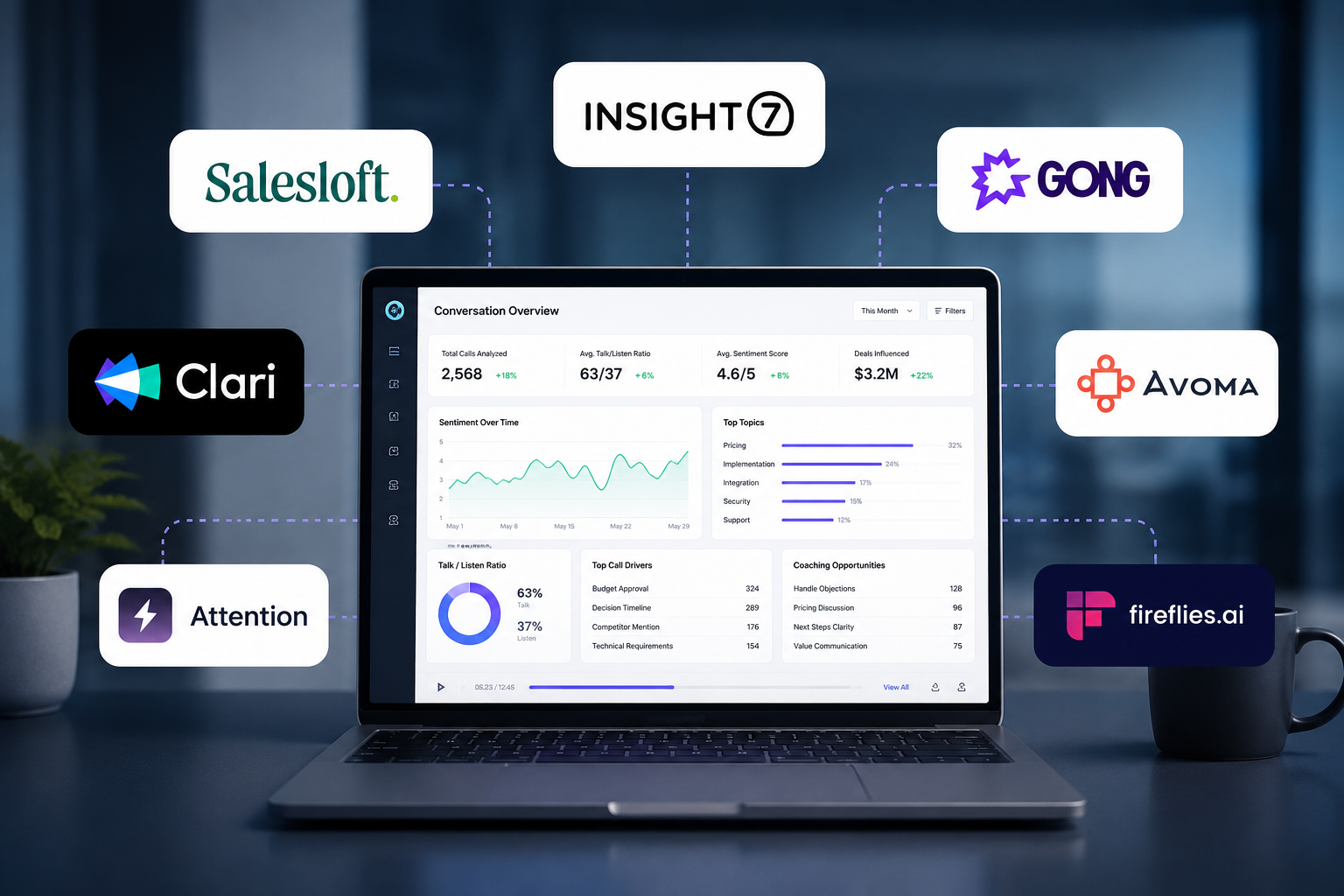
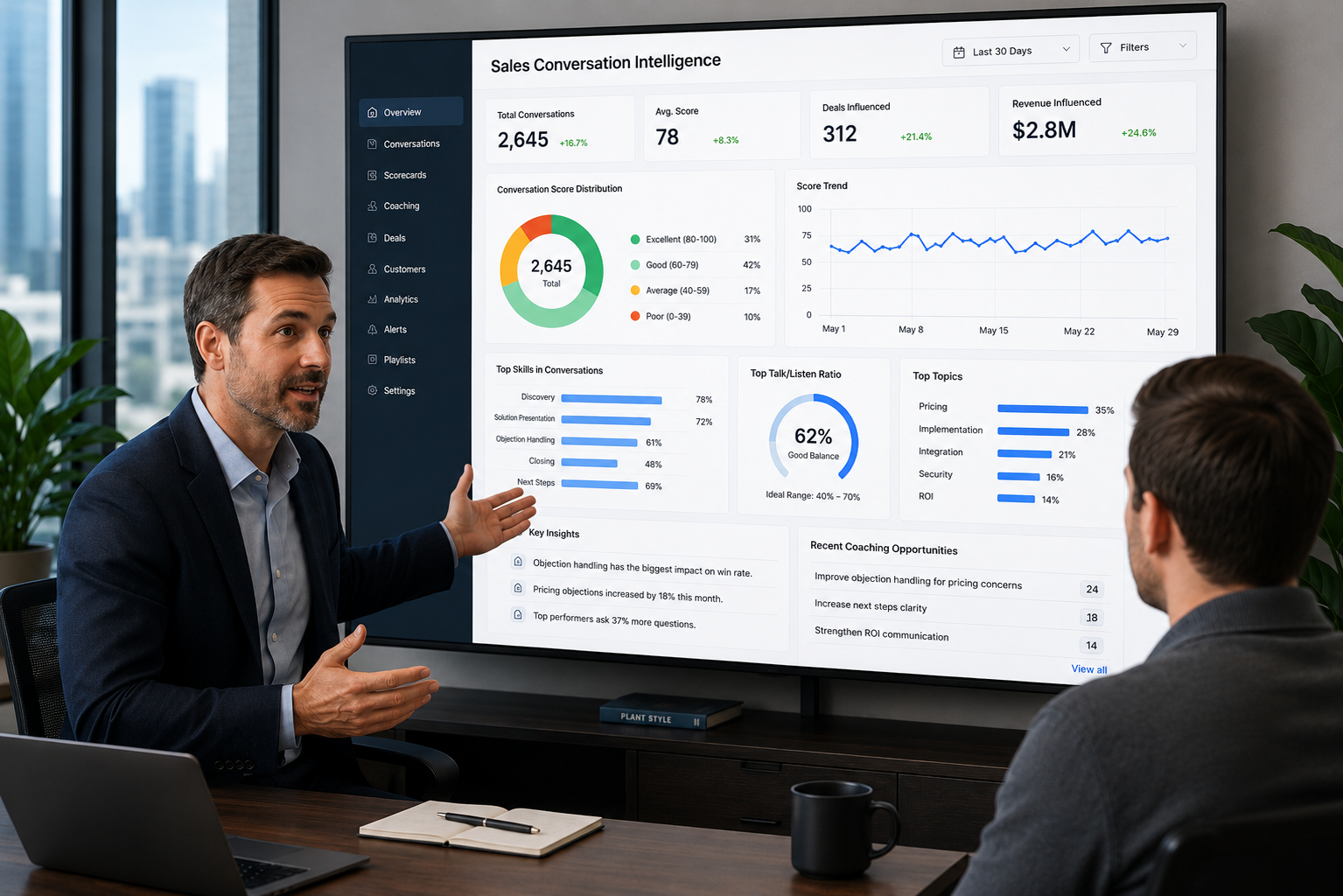
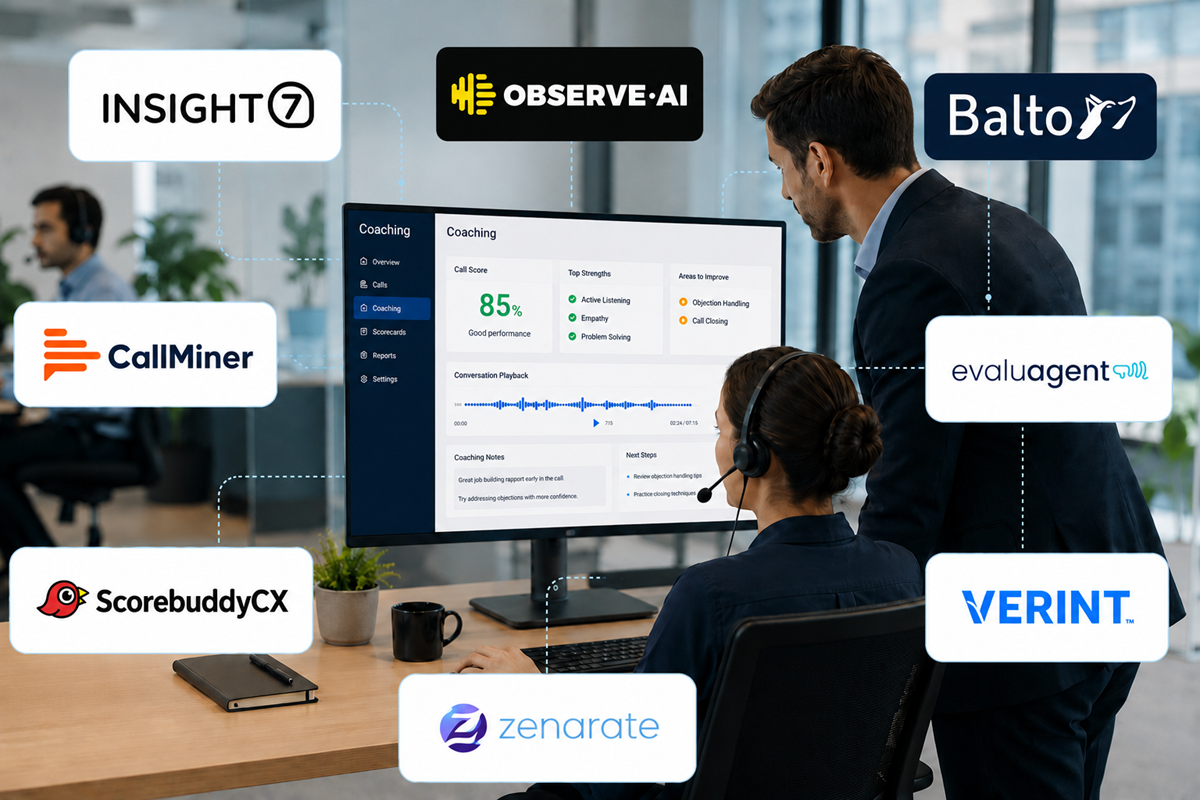
In a world where leadership effectiveness directly impacts organizational success, self-assessment becomes a vital practice. AI tools, such as Insight7's call analytics platform, automatically evaluate customer interactions, scoring them against custom quality criteria. This allows leaders to detect sentiment, empathy, and resolution effectiveness in real time. By analyzing these interactions, leaders can uncover recurring customer pain points and sentiment trends, which are crucial for refining service processes and improving outcomes.
One of the most significant advantages of AI in self-assessment is the ability to generate actionable coaching insights from real conversations. With the capability to track agent performance over time, leaders can identify skill gaps and receive targeted coaching recommendations. This continuous monitoring not only enhances individual performance but also contributes to overall team effectiveness. By providing leaders with the tools to evaluate their skills objectively, AI creates a safe practice environment where they can learn and grow without the fear of negative repercussions.
Moreover, AI-powered tools help eliminate biases that may arise from traditional assessment methods. By delivering consistent and unbiased quality assurance insights across teams, leaders can focus on genuine self-improvement rather than navigating subjective evaluations. This objectivity is crucial in fostering a culture of trust and openness, where leaders feel empowered to seek feedback and make necessary adjustments to their leadership styles.
The integration of AI into leadership development also allows for multilingual support, catering to diverse teams across global organizations. This ensures that leaders from various backgrounds can access the same quality of feedback and coaching, further enhancing their ability to lead effectively in a multicultural environment. By leveraging AI, organizations can create a more inclusive and equitable leadership development process.
In conclusion, AI-powered tools are transforming the self-assessment of leadership skills by providing leaders with the insights and support they need to thrive. By creating a safe practice environment, these tools enable leaders to evaluate their capabilities objectively, receive personalized coaching, and foster a culture of continuous improvement. As organizations embrace AI in their leadership development strategies, they not only enhance individual performance but also drive overall organizational success. The future of leadership assessment is here, and it is powered by AI.
Comparison Table
Comparison Table
In the realm of self-assessment of leadership skills, AI technologies like Insight7's call analytics platform stand out for their ability to create a safe practice environment. Traditional methods often involve subjective evaluations, which can lead to biases and discomfort among leaders. In contrast, AI-powered tools provide objective insights by automatically evaluating customer interactions, scoring them against custom quality criteria, and detecting sentiment and empathy. This allows leaders to receive consistent feedback without fear of judgment.
Furthermore, AI facilitates personalized coaching recommendations based on real conversations, enabling leaders to identify their strengths and areas for improvement. The platform's multilingual support ensures that diverse teams receive equitable feedback, fostering inclusivity. Overall, AI not only enhances individual leadership development but also contributes to a culture of transparency and accountability within organizations.
Selection Criteria
Self-assessment of leadership skills is crucial for personal and organizational growth, and AI plays a pivotal role in creating a safe practice environment for this process. By utilizing AI-powered tools like Insight7's call analytics platform, leaders can receive objective evaluations of their communication styles and decision-making processes without the fear of judgment. These tools automatically analyze customer interactions, scoring them against custom quality criteria and detecting key elements such as sentiment and empathy. This enables leaders to gain unbiased insights into their strengths and areas for improvement.
Moreover, AI facilitates personalized coaching recommendations based on real conversations, allowing leaders to identify skill gaps and receive targeted feedback. This continuous monitoring fosters a culture of transparency and accountability, empowering leaders to seek feedback and make necessary adjustments to their leadership styles. Additionally, with multilingual support, AI ensures that diverse teams can access the same quality of feedback, enhancing leadership effectiveness across global organizations. Ultimately, AI transforms the self-assessment process, enabling leaders to thrive in their roles and drive overall organizational success.
Implementation Guide
Self-assessment of leadership skills is essential for personal and organizational growth, and AI technologies like Insight7's call analytics platform play a crucial role in fostering a safe practice environment. By providing objective evaluations of communication styles and decision-making processes, AI tools eliminate biases and discomfort often associated with traditional assessment methods. These platforms analyze customer interactions, scoring them against custom quality criteria while detecting key elements such as sentiment and empathy, allowing leaders to gain unbiased insights into their strengths and areas for improvement.
Moreover, AI facilitates personalized coaching recommendations based on real conversations, enabling leaders to identify skill gaps and receive targeted feedback. This continuous monitoring fosters a culture of transparency and accountability, empowering leaders to seek feedback and make necessary adjustments to their leadership styles. With multilingual support, AI ensures that diverse teams can access the same quality of feedback, enhancing leadership effectiveness across global organizations. Ultimately, AI transforms the self-assessment process, enabling leaders to thrive in their roles and drive overall organizational success.
Frequently Asked Questions
Q: How does AI facilitate self-assessment of leadership skills?
A: AI tools, like Insight7's call analytics platform, provide objective evaluations of communication styles and decision-making processes, enabling leaders to gain unbiased insights into their strengths and areas for improvement.
Q: What role does AI play in creating a safe practice environment for self-assessment?
A: AI eliminates biases and discomfort associated with traditional assessment methods by automatically analyzing customer interactions and scoring them against custom quality criteria, fostering a culture of transparency and accountability.
Q: How can leaders benefit from personalized coaching recommendations provided by AI?
A: AI generates actionable coaching insights based on real conversations, allowing leaders to identify skill gaps and receive targeted feedback, which helps them continuously improve their leadership skills.
Q: Is multilingual support important for AI-driven self-assessment tools?
A: Yes, multilingual support ensures that diverse teams can access the same quality of feedback, enhancing leadership effectiveness across global organizations.
Q: What is the ultimate goal of using AI in self-assessment of leadership skills?
A: The ultimate goal is to empower leaders to thrive in their roles by providing them with the insights and tools needed to drive organizational success.