Leadership skills self-assessment using AI simulations offers a transformative approach for individuals seeking to enhance their leadership capabilities. By leveraging advanced AI technologies, organizations can create realistic scenarios that mimic real-world challenges, allowing leaders to evaluate their decision-making, communication, and problem-solving skills in a safe environment. This self-assessment process not only identifies strengths and weaknesses but also provides personalized feedback and coaching recommendations tailored to individual needs. As a result, leaders can develop actionable strategies for improvement, fostering a culture of continuous learning and growth. In this article, we will explore various examples of AI simulations that can effectively facilitate leadership skills self-assessment, highlighting their benefits and practical applications in today’s dynamic business landscape.
Leadership Skills Self-Assessment Examples Using AI Simulations
Leadership skills self-assessment using AI simulations provides a cutting-edge method for individuals aiming to refine their leadership abilities. By utilizing AI technologies, organizations can craft realistic scenarios that replicate real-world challenges, enabling leaders to assess their decision-making, communication, and problem-solving skills in a controlled environment. This self-assessment not only highlights strengths and weaknesses but also offers personalized feedback and coaching recommendations tailored to individual needs. Consequently, leaders can devise actionable strategies for improvement, fostering a culture of continuous learning and growth. In this section, we will delve into various examples of AI simulations that effectively facilitate leadership skills self-assessment, showcasing their advantages and practical applications in today’s dynamic business landscape.
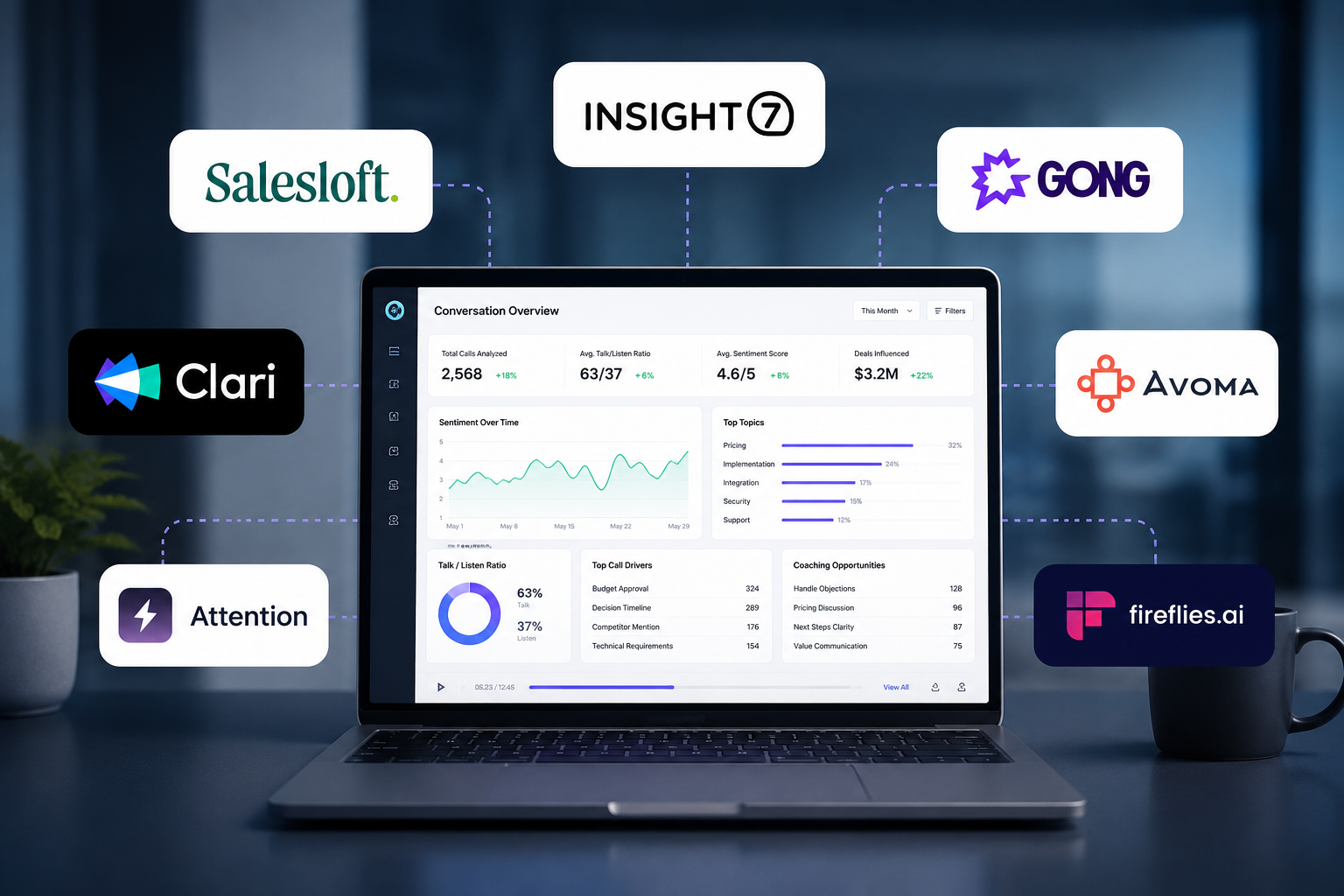
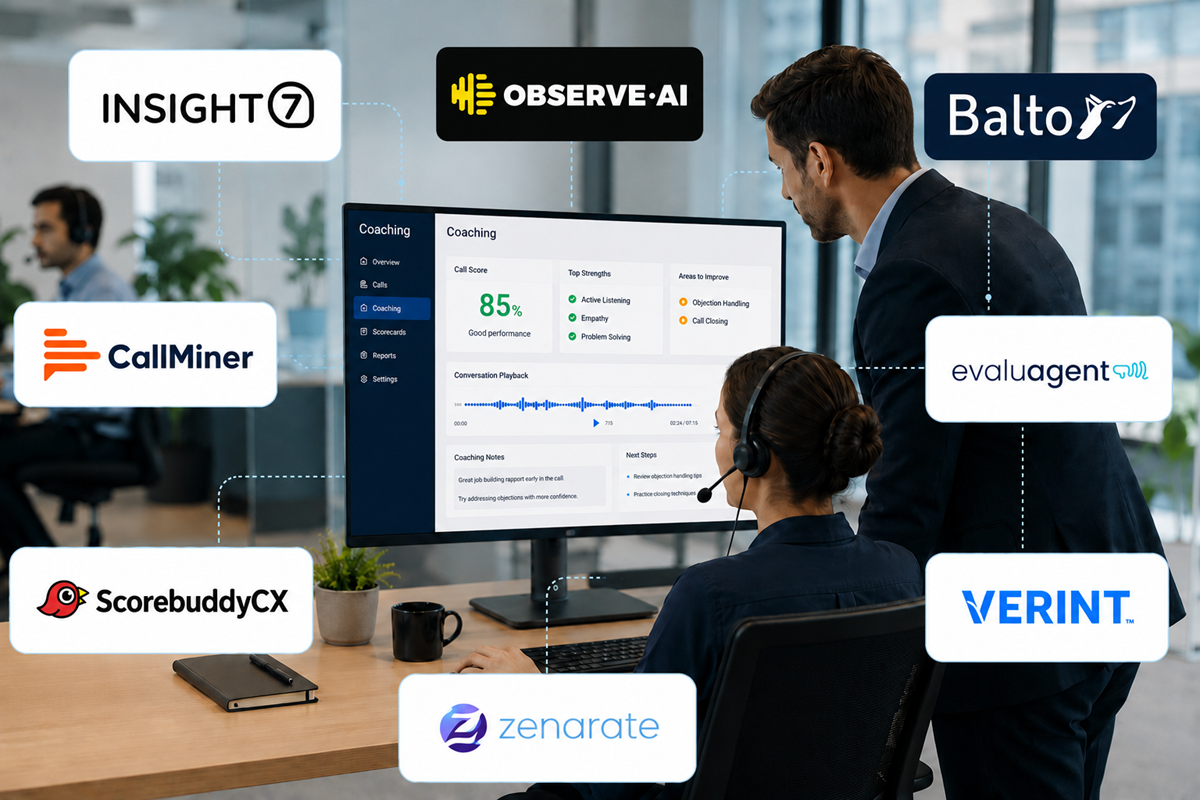
One prominent example of AI simulations in leadership skills self-assessment is the use of AI-powered call analytics platforms, such as Insight7. This platform automatically evaluates customer-facing conversations, providing insights that can help leaders identify trends, coach team members, and enhance training programs. By analyzing interactions against custom quality criteria, leaders can gain a clear understanding of their team's performance and areas for improvement. For instance, a leader can simulate a customer service scenario where they must handle a difficult customer complaint. The AI can evaluate their response, scoring it on empathy, tone, and resolution effectiveness, thereby providing actionable insights for improvement.
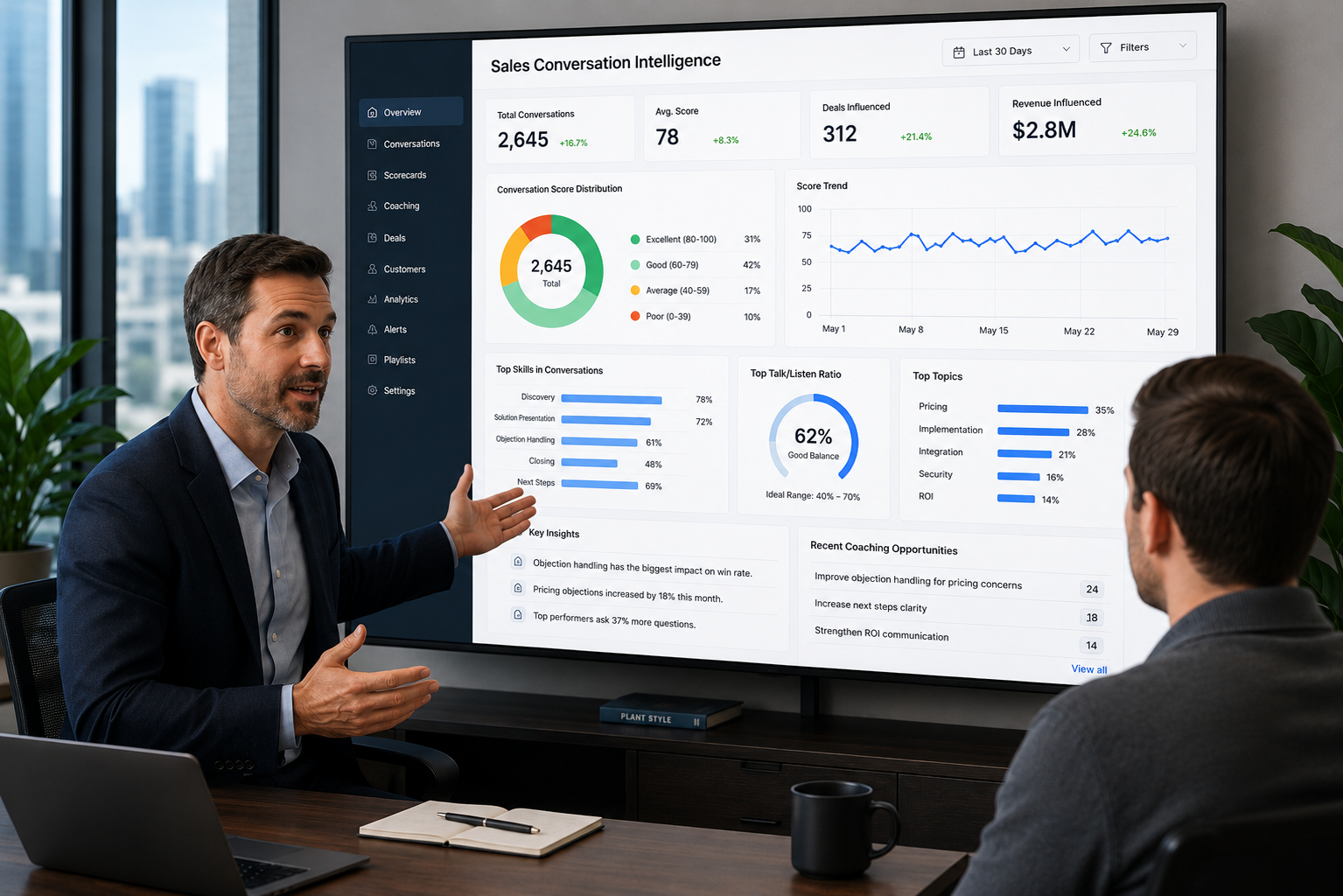
Another effective application of AI simulations is in performance management and coaching. By generating actionable coaching insights from real conversations, leaders can track agent performance over time and identify skill gaps. For example, a leader could engage in a simulated sales call where they must navigate objections from a potential client. The AI can assess their handling of the situation, offering feedback on their approach and suggesting targeted coaching recommendations. This not only helps leaders refine their skills but also empowers them to develop their team members more effectively.
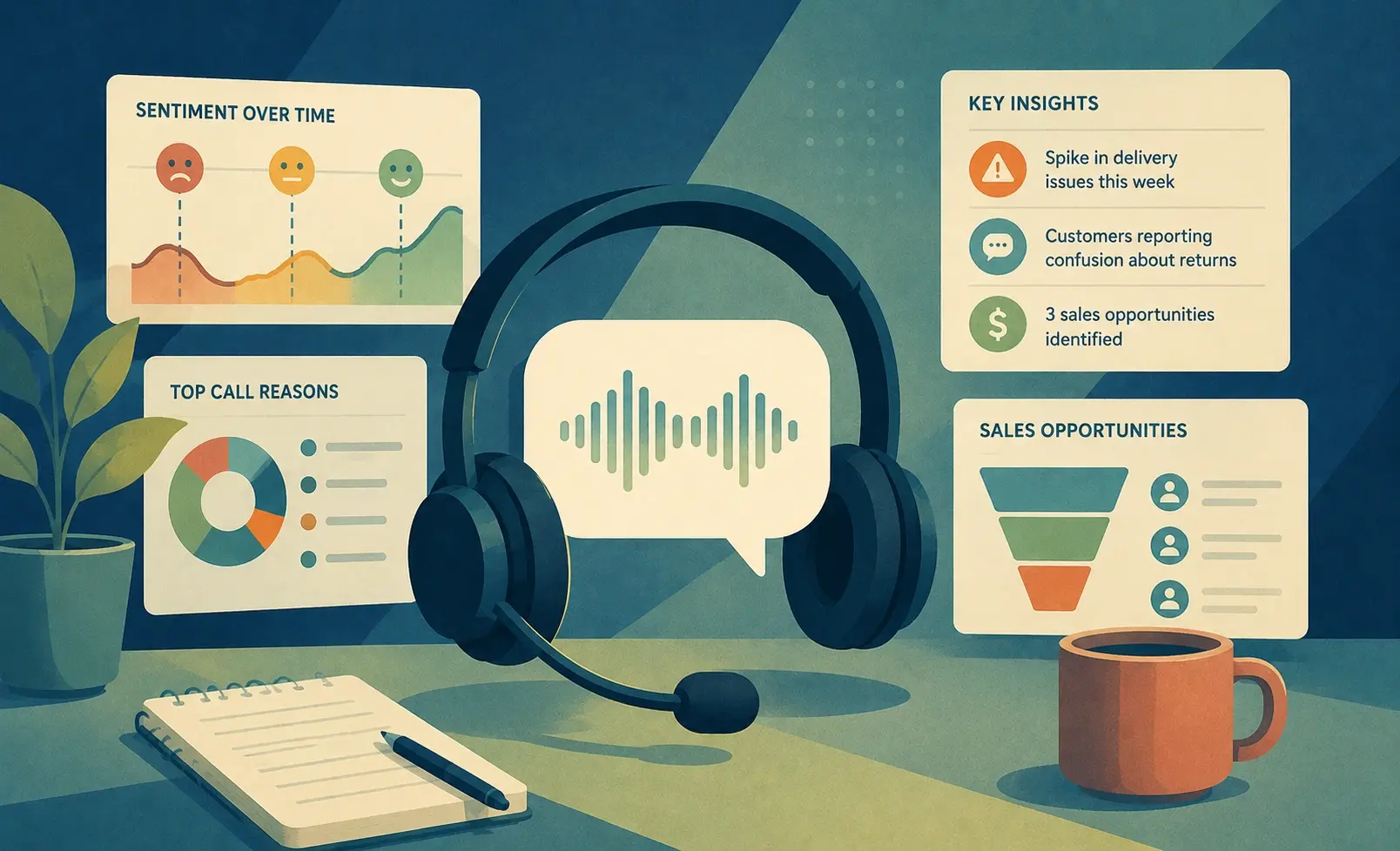
Furthermore, AI simulations can uncover recurring customer pain points and sentiment trends, which are crucial for leadership self-assessment. By identifying drivers of satisfaction and escalation, leaders can better understand the challenges their teams face and adjust their strategies accordingly. For example, a leader might participate in a simulation that reveals common issues customers experience during service interactions. This insight allows them to address these pain points proactively, enhancing overall customer satisfaction and team performance.
In addition to these applications, AI simulations can also facilitate the detection of upsell and cross-sell opportunities in real-time. Leaders can engage in scenarios where they must identify these opportunities during customer interactions, honing their ability to recognize and act on potential revenue-generating moments. The AI can provide feedback on their effectiveness in these situations, helping them to refine their sales strategies and improve their overall leadership capabilities.
Overall, the integration of AI simulations into leadership skills self-assessment offers a multitude of benefits. By providing a safe environment for practice and evaluation, leaders can develop their skills more effectively and foster a culture of continuous improvement within their organizations. As businesses navigate the complexities of today’s landscape, leveraging AI technology for leadership development will be essential for driving performance and growth.
Q: How do AI simulations enhance leadership skills self-assessment?
A: AI simulations create realistic scenarios that allow leaders to practice and evaluate their skills in decision-making, communication, and problem-solving, providing personalized feedback for improvement.
Q: What role does Insight7 play in leadership skills self-assessment?
A: Insight7 uses AI-powered call analytics to evaluate customer-facing conversations, helping leaders identify trends, coach team members, and enhance training programs based on actionable insights.
Q: Can AI simulations help identify skill gaps in leadership?
A: Yes, AI simulations generate actionable coaching insights that allow leaders to track performance over time and identify specific areas where skill development is needed.
Q: How do AI simulations improve team performance?
A: By providing leaders with insights into recurring customer pain points and effective coaching recommendations, AI simulations enable leaders to enhance their team's skills and overall performance.
Q: What is the benefit of using AI for detecting upsell opportunities?
A: AI simulations help leaders practice recognizing and acting on upsell and cross-sell opportunities during customer interactions, improving their sales strategies and revenue generation capabilities.
Comparison Table
Comparison Table
AI simulations for leadership skills self-assessment, such as those offered by Insight7, provide a structured approach to evaluating and enhancing leadership capabilities. The comparison table below highlights key aspects of AI simulations and traditional assessment methods.
| Feature/Aspect | AI Simulations | Traditional Assessments |
|---|---|---|
| Realism | Mimics real-world scenarios for practice | Often theoretical with limited application |
| Feedback | Instant, personalized feedback from AI | Delayed feedback, often subjective |
| Data Analysis | Analyzes performance metrics automatically | Manual analysis required |
| Skill Gap Identification | Identifies specific areas for improvement | General feedback without targeted insights |
| Engagement | Interactive and immersive experiences | Passive learning, often less engaging |
| Scalability | Easily scalable across teams and locations | Limited scalability, often resource-intensive |
| Continuous Learning | Supports ongoing development and coaching | Typically a one-time assessment |
This table illustrates how AI simulations can revolutionize leadership skills self-assessment, making the process more effective and aligned with modern business needs. By leveraging technology, organizations can foster a culture of continuous improvement and growth among their leaders.
Selection Criteria
Leadership skills self-assessment using AI simulations offers a transformative approach for individuals seeking to enhance their leadership capabilities. By leveraging AI technologies, organizations can create realistic scenarios that replicate real-world challenges, allowing leaders to evaluate their decision-making, communication, and problem-solving skills in a safe environment. This self-assessment not only reveals strengths and weaknesses but also provides personalized feedback and targeted coaching recommendations tailored to individual needs. As a result, leaders can develop actionable strategies for improvement, fostering a culture of continuous learning and growth. In this article, we will explore various examples of AI simulations that effectively facilitate leadership skills self-assessment, highlighting their advantages and practical applications in today’s dynamic business landscape.
One prominent example of AI simulations in leadership skills self-assessment is Insight7, an AI-powered call analytics platform. This platform automatically evaluates customer-facing conversations, providing insights that help leaders identify trends, coach team members, and enhance training programs. By analyzing interactions against custom quality criteria, leaders gain a clear understanding of their team's performance and areas for improvement. For instance, a leader can simulate a customer service scenario where they must handle a difficult customer complaint. The AI evaluates their response, scoring it on empathy, tone, and resolution effectiveness, thus providing actionable insights for improvement.
Another effective application of AI simulations is in performance management and coaching. Insight7 generates actionable coaching insights from real conversations, enabling leaders to track agent performance over time and identify skill gaps. For example, a leader could engage in a simulated sales call where they navigate objections from a potential client. The AI assesses their handling of the situation, offering feedback on their approach and suggesting targeted coaching recommendations. This process not only helps leaders refine their skills but also empowers them to develop their team members more effectively.
AI simulations can also uncover recurring customer pain points and sentiment trends, which are crucial for leadership self-assessment. By identifying drivers of satisfaction and escalation, leaders can better understand the challenges their teams face and adjust their strategies accordingly. For example, a leader might participate in a simulation that reveals common issues customers experience during service interactions, allowing them to proactively address these pain points and enhance overall customer satisfaction.
Furthermore, AI simulations facilitate the detection of upsell and cross-sell opportunities in real-time. Leaders can engage in scenarios where they must identify these opportunities during customer interactions, honing their ability to recognize and act on potential revenue-generating moments. The AI provides feedback on their effectiveness in these situations, helping them refine their sales strategies and improve their overall leadership capabilities.
Overall, integrating AI simulations into leadership skills self-assessment offers numerous benefits. By providing a safe environment for practice and evaluation, leaders can develop their skills more effectively and foster a culture of continuous improvement within their organizations. As businesses navigate the complexities of today’s landscape, leveraging AI technology for leadership development will be essential for driving performance and growth.
Q: How do AI simulations enhance leadership skills self-assessment?
A: AI simulations create realistic scenarios that allow leaders to practice and evaluate their skills in decision-making, communication, and problem-solving, providing personalized feedback for improvement.
Q: What role does Insight7 play in leadership skills self-assessment?
A: Insight7 uses AI-powered call analytics to evaluate customer-facing conversations, helping leaders identify trends, coach team members, and enhance training programs based on actionable insights.
Q: Can AI simulations help identify skill gaps in leadership?
A: Yes, AI simulations generate actionable coaching insights that allow leaders to track performance over time and identify specific areas where skill development is needed.
Q: How do AI simulations improve team performance?
A: By providing leaders with insights into recurring customer pain points and effective coaching recommendations, AI simulations enable leaders to enhance their team's skills and overall performance.
Q: What is the benefit of using AI for detecting upsell opportunities?
A: AI simulations help leaders practice recognizing and acting on upsell and cross-sell opportunities during customer interactions, improving their sales strategies and revenue generation capabilities.
Comparison Table
AI simulations for leadership skills self-assessment, such as those offered by Insight7, provide a structured approach to evaluating and enhancing leadership capabilities. The comparison table below highlights key aspects of AI simulations and traditional assessment methods.
| Feature/Aspect | AI Simulations | Traditional Assessments |
|---|---|---|
| Realism | Mimics real-world scenarios for practice | Often theoretical with limited application |
| Feedback | Instant, personalized feedback from AI | Delayed feedback, often subjective |
| Data Analysis | Analyzes performance metrics automatically | Manual analysis required |
| Skill Gap Identification | Identifies specific areas for improvement | General feedback without targeted insights |
| Engagement | Interactive and immersive experiences | Passive learning, often less engaging |
| Scalability | Easily scalable across teams and locations | Limited scalability, often resource-intensive |
| Continuous Learning | Supports ongoing development and coaching | Typically a one-time assessment |
This table illustrates how AI simulations can revolutionize leadership skills self-assessment, making the process more effective and aligned with modern business needs. By leveraging technology, organizations can foster a culture of continuous improvement and growth among their leaders.
Implementation Guide
Leadership skills self-assessment using AI simulations offers a transformative approach for individuals seeking to enhance their leadership capabilities. By leveraging AI technologies, organizations can create realistic scenarios that replicate real-world challenges, allowing leaders to evaluate their decision-making, communication, and problem-solving skills in a safe environment. This self-assessment not only reveals strengths and weaknesses but also provides personalized feedback and targeted coaching recommendations tailored to individual needs. As a result, leaders can develop actionable strategies for improvement, fostering a culture of continuous learning and growth.
One prominent example of AI simulations in leadership skills self-assessment is Insight7, an AI-powered call analytics platform. This platform automatically evaluates customer-facing conversations, providing insights that help leaders identify trends, coach team members, and enhance training programs. By analyzing interactions against custom quality criteria, leaders gain a clear understanding of their team's performance and areas for improvement. For instance, a leader can simulate a customer service scenario where they must handle a difficult customer complaint. The AI evaluates their response, scoring it on empathy, tone, and resolution effectiveness, thus providing actionable insights for improvement.
Another effective application of AI simulations is in performance management and coaching. Insight7 generates actionable coaching insights from real conversations, enabling leaders to track agent performance over time and identify skill gaps. For example, a leader could engage in a simulated sales call where they navigate objections from a potential client. The AI assesses their handling of the situation, offering feedback on their approach and suggesting targeted coaching recommendations. This process not only helps leaders refine their skills but also empowers them to develop their team members more effectively.
AI simulations can also uncover recurring customer pain points and sentiment trends, which are crucial for leadership self-assessment. By identifying drivers of satisfaction and escalation, leaders can better understand the challenges their teams face and adjust their strategies accordingly. For example, a leader might participate in a simulation that reveals common issues customers experience during service interactions, allowing them to proactively address these pain points and enhance overall customer satisfaction.
Furthermore, AI simulations facilitate the detection of upsell and cross-sell opportunities in real-time. Leaders can engage in scenarios where they must identify these opportunities during customer interactions, honing their ability to recognize and act on potential revenue-generating moments. The AI provides feedback on their effectiveness in these situations, helping them refine their sales strategies and improve their overall leadership capabilities.
Overall, integrating AI simulations into leadership skills self-assessment offers numerous benefits. By providing a safe environment for practice and evaluation, leaders can develop their skills more effectively and foster a culture of continuous improvement within their organizations. As businesses navigate the complexities of today’s landscape, leveraging AI technology for leadership development will be essential for driving performance and growth.
Q: How do AI simulations enhance leadership skills self-assessment?
A: AI simulations create realistic scenarios that allow leaders to practice and evaluate their skills in decision-making, communication, and problem-solving, providing personalized feedback for improvement.
Q: What role does Insight7 play in leadership skills self-assessment?
A: Insight7 uses AI-powered call analytics to evaluate customer-facing conversations, helping leaders identify trends, coach team members, and enhance training programs based on actionable insights.
Q: Can AI simulations help identify skill gaps in leadership?
A: Yes, AI simulations generate actionable coaching insights that allow leaders to track performance over time and identify specific areas where skill development is needed.
Q: How do AI simulations improve team performance?
A: By providing leaders with insights into recurring customer pain points and effective coaching recommendations, AI simulations enable leaders to enhance their team's skills and overall performance.
Q: What is the benefit of using AI for detecting upsell opportunities?
A: AI simulations help leaders practice recognizing and acting on upsell and cross-sell opportunities during customer interactions, improving their sales strategies and revenue generation capabilities.
Frequently Asked Questions
Frequently Asked Questions
Q: How do AI simulations enhance leadership skills self-assessment?
A: AI simulations create realistic scenarios that allow leaders to practice and evaluate their skills in decision-making, communication, and problem-solving, providing personalized feedback for improvement.
Q: What role does Insight7 play in leadership skills self-assessment?
A: Insight7 uses AI-powered call analytics to evaluate customer-facing conversations, helping leaders identify trends, coach team members, and enhance training programs based on actionable insights.
Q: Can AI simulations help identify skill gaps in leadership?
A: Yes, AI simulations generate actionable coaching insights that allow leaders to track performance over time and identify specific areas where skill development is needed.
Q: How do AI simulations improve team performance?
A: By providing leaders with insights into recurring customer pain points and effective coaching recommendations, AI simulations enable leaders to enhance their team's skills and overall performance.
Q: What is the benefit of using AI for detecting upsell opportunities?
A: AI simulations help leaders practice recognizing and acting on upsell and cross-sell opportunities during customer interactions, improving their sales strategies and revenue generation capabilities.