In today's fast-paced educational landscape, many learners face anxiety when it comes to basic skills assessments and practice tests. This anxiety can hinder performance and confidence, making it essential to find effective solutions. AI coaching emerges as a powerful tool to alleviate this stress, providing personalized feedback and support tailored to individual needs. By leveraging AI technology, students can engage in targeted practice, receive real-time insights, and build their skills in a supportive environment. This article will explore how AI coaching not only helps reduce test anxiety but also fosters a sense of confidence, empowering learners to excel in their assessments and beyond. With the right approach, AI coaching can transform the way students prepare, learn, and ultimately succeed.
Understanding AI Coaching for Test Anxiety
Understanding AI Coaching for Test Anxiety: Basic Skills Assessment Practice Test Anxiety: How AI Coaching Builds Confidence
Test anxiety is a common hurdle that many students face, especially during basic skills assessments. This anxiety can create a cycle of fear and self-doubt, ultimately affecting performance. However, AI coaching offers a transformative solution by providing personalized support that builds confidence and reduces anxiety. By leveraging AI technology, students can engage in targeted practice, receive real-time feedback, and develop their skills in a supportive environment. This article will delve into how AI coaching not only alleviates test anxiety but also empowers learners to excel in their assessments and beyond.
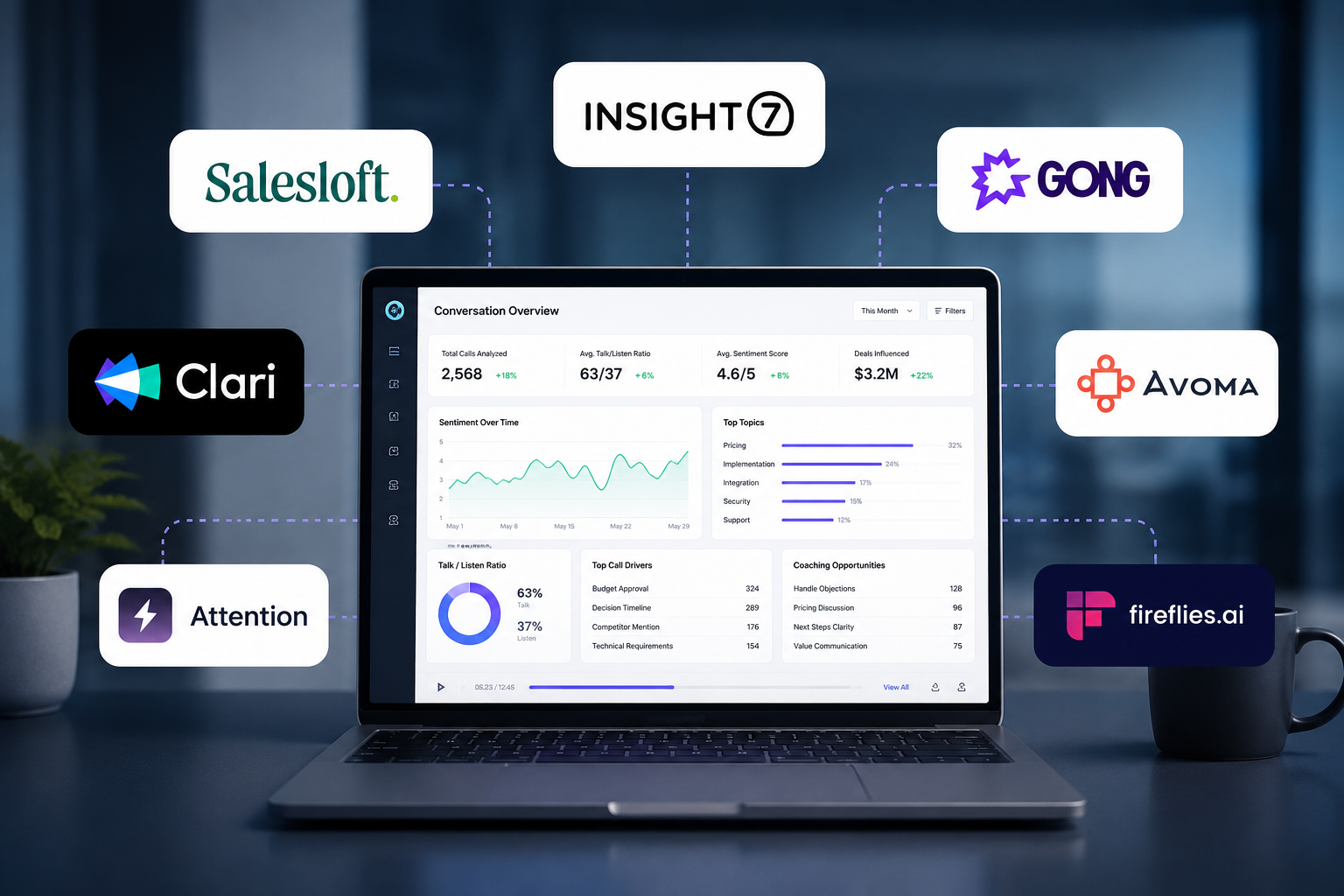
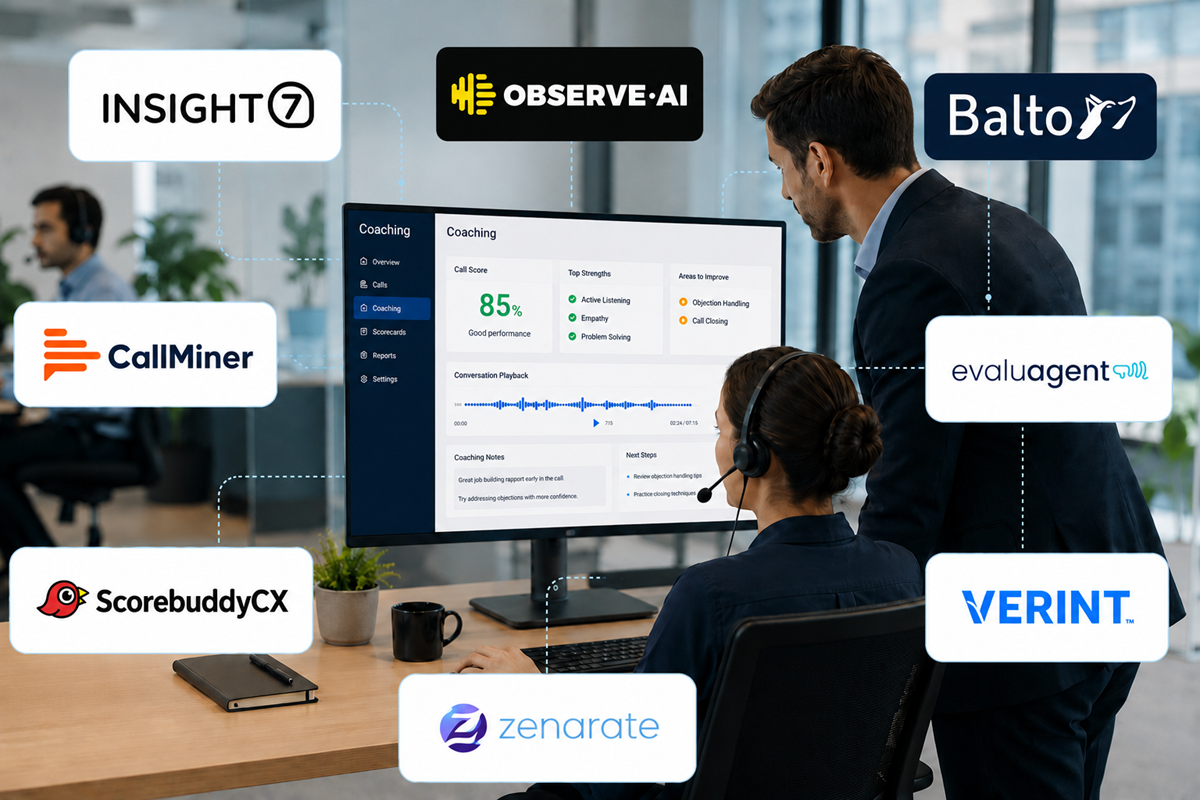
AI coaching platforms, such as Insight7, utilize advanced algorithms to analyze student interactions and provide tailored feedback. This personalized approach allows students to identify their strengths and weaknesses, enabling them to focus on areas that require improvement. For instance, AI can evaluate a student's performance on practice tests, offering insights into specific skills that need enhancement. This targeted feedback helps students feel more prepared and less anxious as they approach their assessments.
Moreover, AI coaching fosters a sense of autonomy in learners. By allowing students to practice at their own pace and receive immediate feedback, they can take control of their learning journey. This autonomy is crucial in building confidence, as students learn to trust their abilities and make informed decisions about their study strategies. The ability to track progress over time also contributes to a positive learning experience, as students can see their improvements and recognize their hard work.
Another significant advantage of AI coaching is its capacity to create a safe and supportive learning environment. Traditional assessment methods can often feel high-stakes and intimidating, leading to increased anxiety. In contrast, AI coaching allows students to practice in a low-pressure setting, where mistakes are viewed as learning opportunities rather than failures. This shift in perspective is vital for reducing anxiety and fostering a growth mindset.
Furthermore, AI coaching can help students develop essential test-taking strategies. By analyzing patterns in a student's performance, AI can suggest specific techniques for managing time, approaching different question types, and handling stress during assessments. These strategies not only enhance performance but also equip students with valuable skills that extend beyond the classroom.
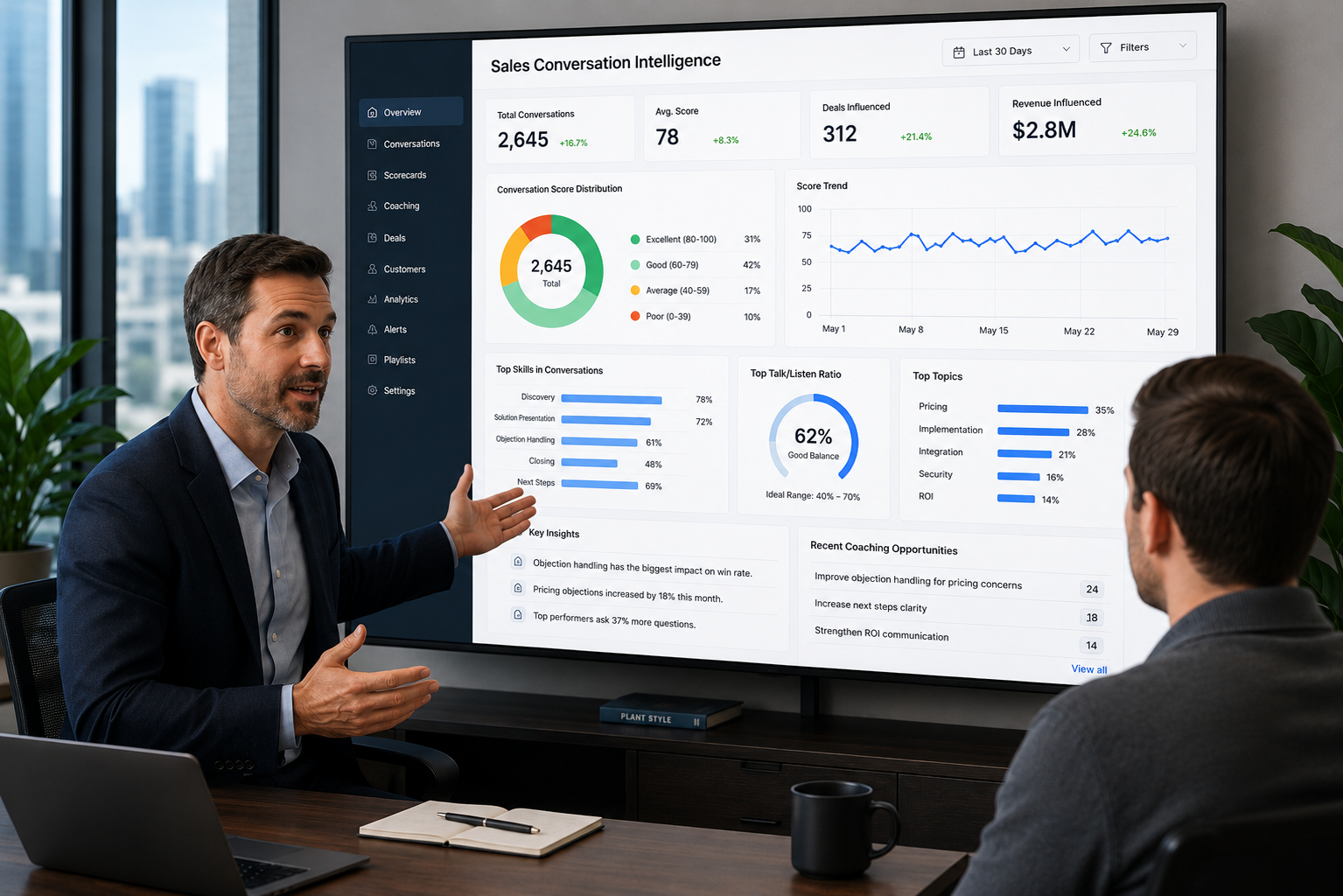
The integration of AI coaching into educational settings also benefits educators and institutions. By providing data-driven insights into student performance, AI can help teachers identify trends and areas where students may need additional support. This information can inform instructional strategies and lead to more effective teaching practices, ultimately benefiting the entire learning community.
In conclusion, AI coaching represents a powerful tool for addressing test anxiety associated with basic skills assessments. By offering personalized feedback, fostering autonomy, creating a supportive learning environment, and equipping students with effective test-taking strategies, AI coaching builds confidence and empowers learners to succeed. As educational institutions increasingly adopt AI-driven solutions, the potential for transforming the assessment experience and enhancing student outcomes becomes even more promising. Embracing AI coaching not only alleviates anxiety but also paves the way for a more confident and capable generation of learners.
Key Tools for Building Confidence
AI coaching is revolutionizing the way students approach basic skills assessments, effectively reducing test anxiety and building confidence. By providing personalized feedback and tailored practice opportunities, AI coaching empowers learners to identify their strengths and weaknesses, allowing them to focus on areas needing improvement. This targeted approach not only alleviates anxiety but also fosters a sense of autonomy, as students can practice at their own pace and receive immediate insights into their performance.
Moreover, AI coaching creates a supportive learning environment where mistakes are seen as valuable learning experiences rather than failures. This shift in perspective is crucial for developing a growth mindset, which is essential for overcoming test anxiety. Additionally, AI coaching equips students with effective test-taking strategies, enhancing their performance and preparing them for future challenges. As educational institutions increasingly adopt AI-driven solutions, the potential for transforming the assessment experience and improving student outcomes becomes even more promising.
Comparison Table
AI coaching is a powerful tool for alleviating test anxiety associated with basic skills assessments, ultimately building student confidence. By providing personalized feedback and targeted practice opportunities, AI coaching empowers learners to identify and improve their weaknesses. This tailored approach not only reduces anxiety but also fosters a sense of autonomy, allowing students to practice at their own pace and receive immediate insights into their performance. Additionally, AI coaching creates a supportive learning environment where mistakes are viewed as learning opportunities, essential for developing a growth mindset. As educational institutions increasingly adopt AI-driven solutions, the potential for transforming the assessment experience and enhancing student outcomes becomes even more promising.
Q: How does AI coaching help reduce test anxiety?
A: AI coaching provides personalized feedback and targeted practice, allowing students to focus on their weaknesses and build confidence in their abilities.
Q: What role does autonomy play in AI coaching?
A: Autonomy allows students to practice at their own pace, fostering a sense of control over their learning journey and reducing anxiety.
Q: How does AI coaching create a supportive learning environment?
A: AI coaching encourages viewing mistakes as valuable learning experiences, which is crucial for developing a growth mindset and reducing test anxiety.
Q: What strategies can AI coaching provide for test-taking?
A: AI coaching can suggest techniques for managing time, approaching different question types, and handling stress during assessments, enhancing overall performance.
Q: How can educators benefit from AI coaching?
A: AI coaching provides data-driven insights into student performance, helping educators identify trends and areas needing additional support, ultimately improving teaching practices.
Selection Criteria
AI coaching is a transformative tool for addressing test anxiety associated with basic skills assessments, ultimately fostering student confidence. By offering personalized feedback and targeted practice opportunities, AI coaching empowers learners to pinpoint their strengths and weaknesses, enabling them to focus on areas that require improvement. This tailored approach not only alleviates anxiety but also promotes a sense of autonomy, as students can practice at their own pace and receive immediate insights into their performance.
Moreover, AI coaching cultivates a supportive learning environment where mistakes are perceived as valuable learning experiences rather than failures. This shift in perspective is vital for developing a growth mindset, which is crucial for overcoming test anxiety. Additionally, AI coaching equips students with effective test-taking strategies, enhancing their performance and preparing them for future challenges. As educational institutions increasingly embrace AI-driven solutions, the potential for transforming the assessment experience and improving student outcomes becomes even more promising.
Q: How does AI coaching help reduce test anxiety?
A: AI coaching provides personalized feedback and targeted practice, allowing students to focus on their weaknesses and build confidence in their abilities.
Q: What role does autonomy play in AI coaching?
A: Autonomy allows students to practice at their own pace, fostering a sense of control over their learning journey and reducing anxiety.
Q: How does AI coaching create a supportive learning environment?
A: AI coaching encourages viewing mistakes as valuable learning experiences, which is crucial for developing a growth mindset and reducing test anxiety.
Q: What strategies can AI coaching provide for test-taking?
A: AI coaching can suggest techniques for managing time, approaching different question types, and handling stress during assessments, enhancing overall performance.
Q: How can educators benefit from AI coaching?
A: AI coaching provides data-driven insights into student performance, helping educators identify trends and areas needing additional support, ultimately improving teaching practices.
Frequently Asked Questions
Q: How does AI coaching help reduce test anxiety?
A: AI coaching provides personalized feedback and targeted practice, allowing students to focus on their weaknesses and build confidence in their abilities.
Q: What role does autonomy play in AI coaching?
A: Autonomy allows students to practice at their own pace, fostering a sense of control over their learning journey and reducing anxiety.
Q: How does AI coaching create a supportive learning environment?
A: AI coaching encourages viewing mistakes as valuable learning experiences, which is crucial for developing a growth mindset and reducing test anxiety.
Q: What strategies can AI coaching provide for test-taking?
A: AI coaching can suggest techniques for managing time, approaching different question types, and handling stress during assessments, enhancing overall performance.
Q: How can educators benefit from AI coaching?
A: AI coaching provides data-driven insights into student performance, helping educators identify trends and areas needing additional support, ultimately improving teaching practices.