In today's fast-paced educational landscape, leveraging AI feedback for improvement in general skills assessment practice tests is crucial for both learners and educators. This article will explore effective strategies for integrating AI-driven insights into practice test methodologies, enhancing the learning experience, and fostering continuous improvement. By utilizing AI tools, educators can provide personalized feedback, identify knowledge gaps, and tailor learning paths to meet individual needs. Additionally, students can benefit from real-time assessments that help them understand their strengths and weaknesses, ultimately leading to better performance. As we delve into these strategies, we will highlight the importance of actionable intelligence in transforming practice tests into dynamic learning opportunities that drive success.
Effective Strategies for General Skills Assessment Practice Tests
Effective strategies for general skills assessment practice tests increasingly rely on AI feedback for improvement. By integrating AI-driven insights into practice test methodologies, educators can enhance the learning experience and foster continuous improvement. This article will explore how AI tools can provide personalized feedback, identify knowledge gaps, and tailor learning paths to meet individual needs, ultimately leading to better performance for students.
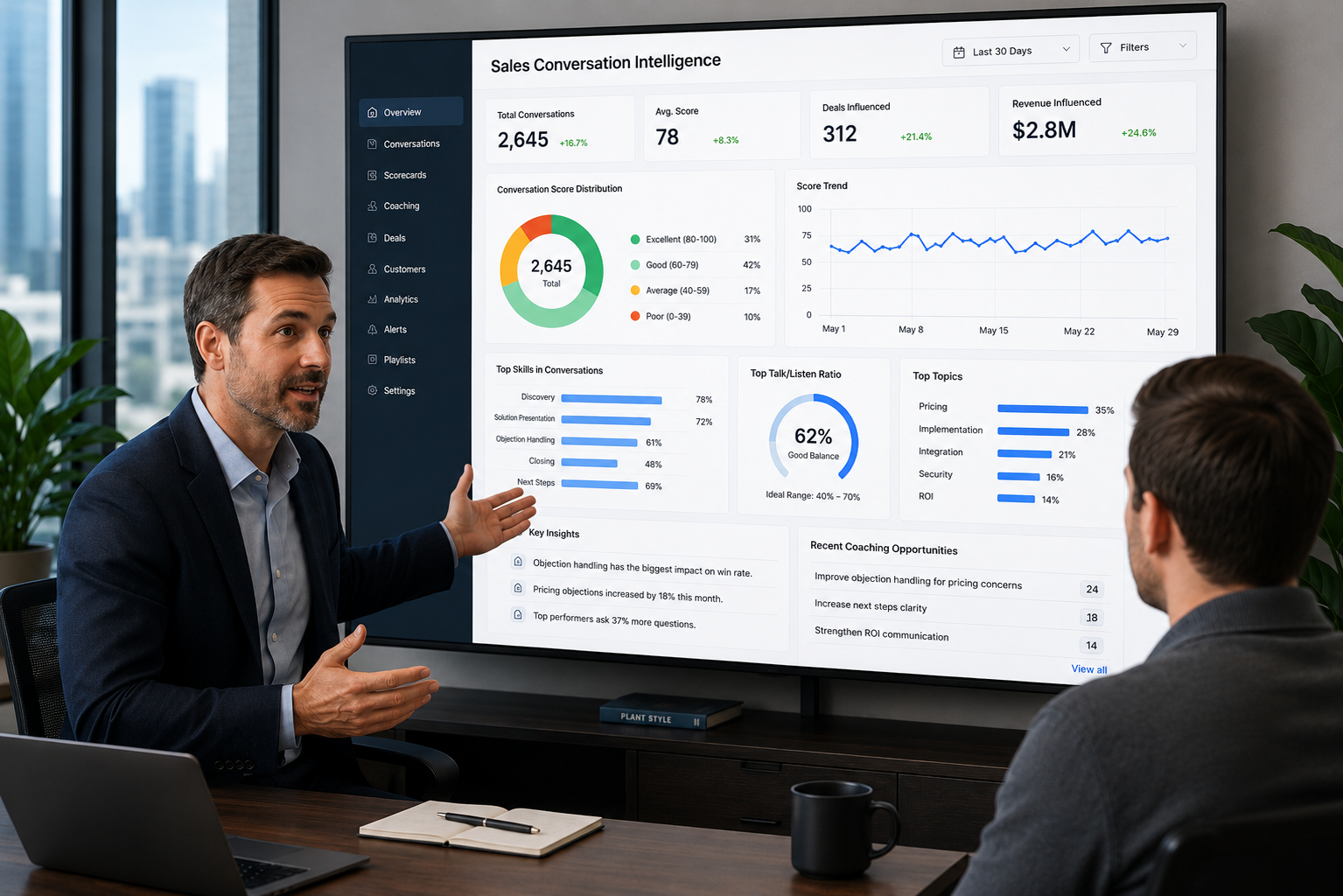
AI feedback plays a pivotal role in transforming traditional practice tests into dynamic learning opportunities. For instance, platforms like Insight7 utilize AI-powered call analytics to evaluate customer interactions, offering insights that can be applied to educational assessments. By automatically evaluating 100% of practice test responses against custom quality criteria, educators can gain a comprehensive understanding of student performance. This approach not only highlights areas of strength but also uncovers specific weaknesses that need addressing.
One of the key benefits of AI feedback is its ability to deliver consistent and unbiased insights. Just as Insight7 scores customer calls for tone, empathy, and resolution effectiveness, AI can assess student responses for clarity, accuracy, and comprehension. This objective evaluation helps educators provide targeted coaching recommendations, ensuring that students receive the support they need to improve their skills.
Moreover, AI can track student performance over time, allowing educators to monitor progress and adjust learning strategies accordingly. By identifying trends in student performance, educators can refine their teaching methods and focus on areas that require additional attention. This data-driven approach not only enhances the effectiveness of practice tests but also empowers students to take ownership of their learning journey.
Incorporating AI feedback into practice tests also facilitates real-time assessments. Students can receive immediate insights into their performance, enabling them to understand their strengths and weaknesses as they progress. This timely feedback is crucial for fostering a growth mindset, encouraging students to view challenges as opportunities for improvement rather than setbacks.
Furthermore, AI tools can help educators uncover recurring knowledge gaps and sentiment trends among students. By analyzing responses to practice tests, educators can identify common areas of confusion or difficulty, allowing them to adjust their teaching materials and strategies to better meet the needs of their students. This proactive approach not only improves the overall learning experience but also enhances student engagement and motivation.
To maximize the benefits of AI feedback in general skills assessment practice tests, educators should consider implementing custom evaluation templates that align with their specific learning objectives. By tailoring the assessment criteria to their curriculum, educators can ensure that the feedback provided is relevant and actionable. This alignment between assessment and learning goals is essential for driving meaningful improvement in student performance.
In conclusion, leveraging AI feedback for improvement in general skills assessment practice tests offers a wealth of opportunities for both educators and students. By utilizing AI-driven insights, educators can provide personalized feedback, identify knowledge gaps, and tailor learning paths to meet individual needs. As the educational landscape continues to evolve, embracing AI tools will be crucial for enhancing the effectiveness of practice tests and fostering a culture of continuous improvement.
Comparison Table
Content for section: Comparison Table – comprehensive analysis and insights.
Selection Criteria
Selection Criteria
The "General Skills Assessment Practice Test Strategy: AI Feedback for Improvement" focuses on leveraging AI to enhance educational assessments. Key selection criteria include the ability to provide personalized feedback, identify knowledge gaps, and tailor learning paths based on individual performance. AI tools should automatically evaluate responses against custom quality criteria, ensuring objective assessments that highlight strengths and weaknesses. Additionally, the platform must track performance over time, allowing educators to monitor progress and adjust strategies accordingly. Real-time feedback is essential for fostering a growth mindset, while the capability to analyze recurring trends in student performance is crucial for refining teaching methods. Lastly, alignment with specific learning objectives through custom evaluation templates is vital for driving meaningful improvements in student outcomes.
Implementation Guide
The "General Skills Assessment Practice Test Strategy: AI Feedback for Improvement" emphasizes the integration of AI to enhance educational assessments. By utilizing AI-powered tools, educators can provide personalized feedback that identifies individual knowledge gaps and tailors learning paths based on performance. These tools automatically evaluate responses against custom quality criteria, ensuring objective assessments that highlight both strengths and weaknesses. Tracking performance over time is essential for monitoring student progress and adjusting teaching strategies accordingly. Real-time feedback fosters a growth mindset among learners, while the ability to analyze recurring trends in performance helps refine instructional methods. Additionally, aligning assessments with specific learning objectives through custom evaluation templates is crucial for driving meaningful improvements in student outcomes.
Implementing this strategy can transform the assessment landscape, making it more responsive to the needs of students and educators alike.
Frequently Asked Questions
Q: What is the purpose of the General Skills Assessment Practice Test Strategy?
A: The strategy aims to leverage AI to enhance educational assessments by providing personalized feedback, identifying knowledge gaps, and tailoring learning paths based on individual performance.
Q: How does AI improve the assessment process?
A: AI improves the assessment process by automatically evaluating responses against custom quality criteria, ensuring objective assessments that highlight both strengths and weaknesses.
Q: Why is real-time feedback important in assessments?
A: Real-time feedback fosters a growth mindset among learners, enabling them to understand their progress and make necessary adjustments to their learning strategies.
Q: What role does tracking performance over time play in this strategy?
A: Tracking performance over time allows educators to monitor student progress, adjust teaching strategies accordingly, and ensure that learning objectives are being met.
Q: How can educators align assessments with specific learning objectives?
A: Educators can align assessments with specific learning objectives by utilizing custom evaluation templates that drive meaningful improvements in student outcomes.