In today's rapidly evolving business landscape, the accuracy of skills self-assessment tests is crucial for personal and organizational growth. Leveraging AI feedback technology can significantly enhance the precision of these assessments. By utilizing AI-driven analytics, organizations can automatically evaluate interactions, identify skill gaps, and provide personalized coaching recommendations. This technology not only ensures consistent and unbiased evaluations but also uncovers insights that drive performance improvement. As teams strive for excellence, integrating AI into self-assessment processes transforms traditional methods, making them more efficient and effective. This article will explore how AI feedback technology can revolutionize skills self-assessment tests, leading to better outcomes for individuals and organizations alike.
Understanding AI Feedback Technology for Skills Self-Assessment
Understanding the accuracy of skills self-assessment tests is essential for both personal development and organizational success. AI feedback technology enhances this accuracy by automating evaluations, identifying skill gaps, and providing tailored coaching recommendations. By leveraging AI-driven analytics, organizations can ensure consistent, unbiased assessments that lead to actionable insights, ultimately improving performance and growth.
In the realm of skills self-assessment, traditional methods often fall short due to human biases and inconsistencies. AI feedback technology addresses these shortcomings by utilizing advanced algorithms to evaluate interactions comprehensively. For instance, Insight7’s AI-powered call analytics platform automatically assesses customer interactions, scoring them against custom quality criteria. This capability allows organizations to evaluate 100% of customer calls, ensuring that no interaction is overlooked and that every assessment is grounded in data.
One of the standout features of AI feedback technology is its ability to detect nuanced elements such as sentiment, empathy, and resolution effectiveness. These factors are critical in understanding not just the technical skills of employees but also their interpersonal abilities, which are increasingly important in customer-facing roles. By integrating these insights into skills self-assessment tests, organizations can gain a holistic view of their employees' capabilities.
Moreover, AI feedback technology facilitates continuous performance management. With tools that track agent performance over time, organizations can identify trends and areas for improvement. This ongoing analysis allows for timely interventions, ensuring that employees receive the support they need to develop their skills effectively. For example, if a customer support agent consistently struggles with empathy during calls, the AI can flag this issue and suggest targeted coaching recommendations to address the skill gap.
The ability to generate actionable coaching insights from real conversations is another significant advantage of AI feedback technology. By analyzing actual interactions, organizations can provide personalized feedback that resonates with employees. This tailored approach not only enhances the learning experience but also fosters a culture of continuous improvement. Employees are more likely to engage with feedback that is relevant to their specific challenges and successes, leading to better retention of skills and knowledge.
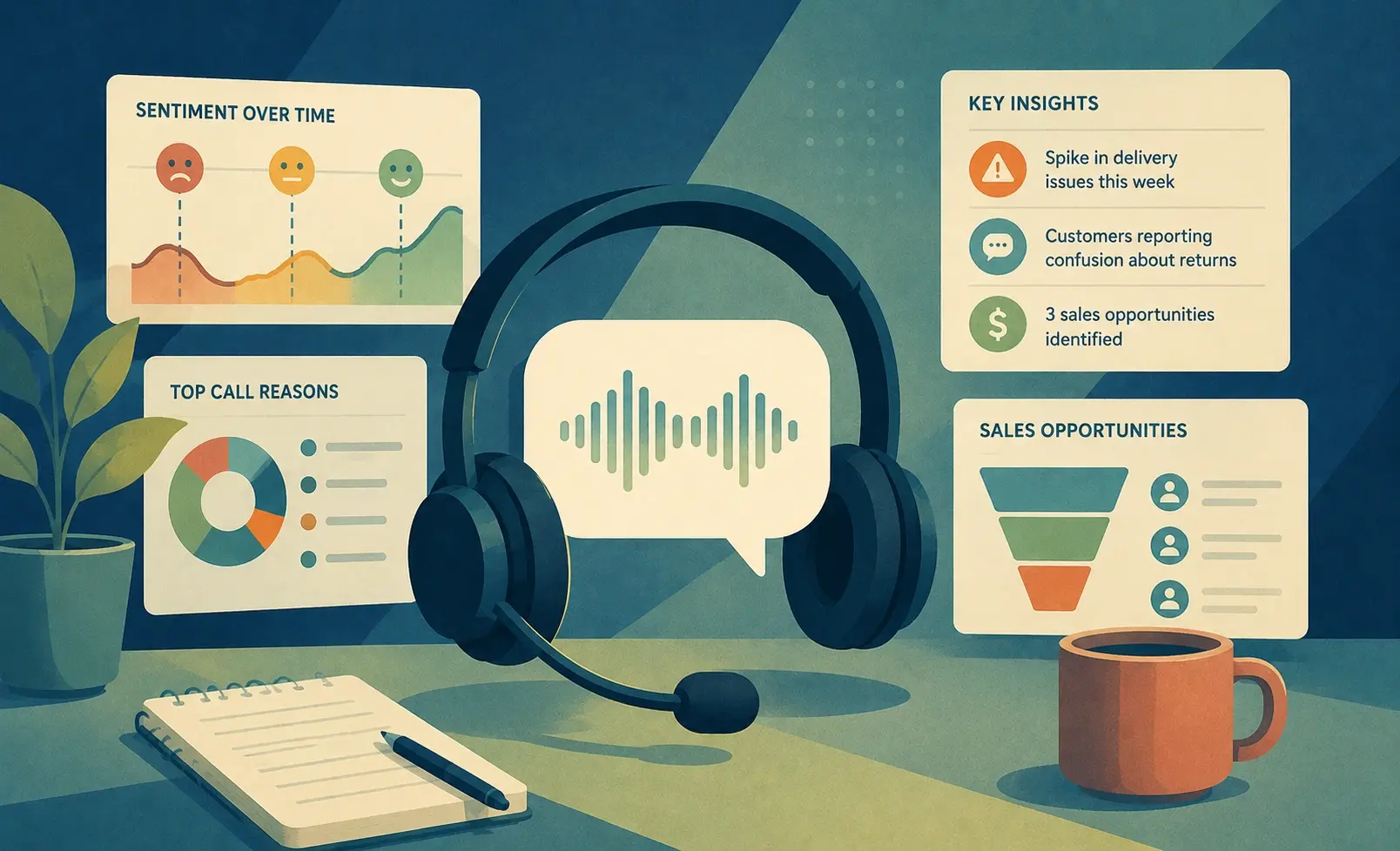
In addition to improving individual performance, AI feedback technology can also uncover broader trends within customer interactions. By identifying recurring customer pain points and sentiment trends, organizations can refine their service processes and improve overall customer satisfaction. This proactive approach not only enhances the customer experience but also drives revenue growth by identifying upsell and cross-sell opportunities in real time.
As organizations increasingly adopt AI feedback technology, the accuracy of skills self-assessment tests will continue to improve. By automating evaluations and providing data-driven insights, organizations can create a more effective and efficient assessment process. This transformation not only benefits individual employees but also contributes to the overall success of the organization.
In conclusion, the integration of AI feedback technology into skills self-assessment tests represents a significant advancement in how organizations evaluate and develop their workforce. By leveraging automated evaluations, personalized coaching insights, and continuous performance management, organizations can ensure that their employees are equipped with the skills necessary to thrive in today’s competitive landscape. As this technology continues to evolve, it will undoubtedly play a pivotal role in shaping the future of skills assessment and employee development.
Comparison Table
Comparison Table
The integration of AI feedback technology into skills self-assessment tests significantly enhances their accuracy and effectiveness. By utilizing platforms like Insight7, organizations can automatically evaluate 100% of customer interactions, ensuring comprehensive assessments. This technology scores conversations against custom quality criteria, detecting key elements such as sentiment and empathy, which traditional methods often overlook.
Moreover, AI-driven insights facilitate personalized coaching recommendations, allowing for targeted skill development. Continuous performance tracking enables organizations to identify trends and address skill gaps proactively. In contrast, traditional self-assessment methods may suffer from biases and inconsistencies, leading to less reliable evaluations. Overall, AI feedback technology transforms skills self-assessment tests into a more precise, actionable, and growth-oriented process for both individuals and organizations.
Selection Criteria
Selection Criteria
When evaluating the accuracy of skills self-assessment tests through AI feedback technology, several criteria must be considered. First, the technology should automatically evaluate 100% of interactions, ensuring comprehensive assessments without bias. It must score conversations against custom quality criteria, focusing on key elements such as sentiment, empathy, and resolution effectiveness, which are crucial for understanding interpersonal skills.
Next, the ability to generate actionable coaching insights from real conversations is vital. This feature allows organizations to provide personalized feedback, enhancing the learning experience and fostering continuous improvement. Additionally, continuous performance tracking is essential to identify trends and skill gaps proactively, enabling timely interventions.
Finally, the technology should support multilingual evaluations and adhere to enterprise-grade security standards, ensuring compliance and accuracy across diverse teams. By meeting these criteria, organizations can significantly enhance the effectiveness and reliability of their skills self-assessment processes.
Implementation Guide
Implementation Guide
To enhance the accuracy of skills self-assessment tests through AI feedback technology, organizations should adopt a structured implementation approach. Begin by integrating an AI-powered platform like Insight7, which automates the evaluation of customer interactions, ensuring comprehensive assessments. Customize scoring criteria to focus on essential skills such as empathy and resolution effectiveness, which traditional methods often overlook.
Next, leverage the platform's capabilities to generate actionable coaching insights from real conversations. This personalized feedback will help identify skill gaps and track performance over time, fostering continuous improvement. Ensure that the technology supports multilingual evaluations to cater to diverse teams and complies with enterprise-grade security standards. By following these steps, organizations can transform their skills self-assessment processes into precise, growth-oriented evaluations that drive performance and development.
Frequently Asked Questions
Frequently Asked Questions
Q: How does AI feedback technology improve the accuracy of skills self-assessment tests?
A: AI feedback technology enhances accuracy by automatically evaluating 100% of interactions, scoring them against custom quality criteria, and providing unbiased insights into key skills like empathy and resolution effectiveness.
Q: What are the benefits of using AI for coaching insights?
A: AI generates actionable coaching insights from real conversations, helping organizations identify skill gaps and track performance over time, which fosters continuous improvement and personalized feedback.
Q: Can AI feedback technology support multilingual evaluations?
A: Yes, AI feedback technology can evaluate conversations in multiple languages, ensuring comprehensive assessments across diverse teams while maintaining accuracy and compliance with security standards.
Q: How does AI ensure unbiased evaluations in self-assessment tests?
A: AI evaluates interactions based on predefined criteria without human bias, delivering consistent insights that focus on essential skills and performance metrics.
Q: What security measures are in place for AI feedback technology?
A: AI feedback technology adheres to enterprise-grade security standards, including GDPR and SOC2 compliance, ensuring that all data is handled securely and responsibly.