In today's fast-paced business environment, the importance of soft skills cannot be overstated. Situational Judgment Tests (SJTs) have emerged as a valuable tool for assessing these skills, particularly when enhanced by AI coaching. This innovative approach leverages artificial intelligence to analyze responses to various scenarios, providing personalized feedback and actionable insights. By integrating AI into the SJT process, organizations can not only evaluate candidates more effectively but also identify areas for improvement in real-time. This article will explore how AI-powered coaching can transform soft skills assessment, enhance employee development, and ultimately drive organizational success. As we delve into this topic, we'll highlight the benefits of AI in coaching, the effectiveness of SJTs, and practical applications for businesses looking to elevate their workforce.
Situational Judgment Tests for Soft Skills Assessment
Situational Judgment Tests (SJTs) have become an essential tool for assessing soft skills in the workplace, particularly when enhanced by AI coaching. This innovative approach not only evaluates candidates' responses to various scenarios but also provides personalized feedback and actionable insights, ultimately transforming the way organizations develop their workforce. By integrating AI into the SJT process, businesses can effectively identify areas for improvement in real-time, ensuring that employees are equipped with the necessary soft skills to thrive in their roles.
AI coaching plays a pivotal role in the effectiveness of SJTs by automating the evaluation of responses and offering tailored recommendations. This technology analyzes interactions based on custom quality criteria, detecting sentiment, empathy, and resolution effectiveness. For instance, Insight7's AI-powered call analytics platform automatically evaluates customer-facing conversations, providing leaders with the insights needed to coach team members effectively. This consistent and unbiased evaluation helps organizations identify trends, skill gaps, and opportunities for improvement, ultimately enhancing training programs and boosting overall performance.
One of the key benefits of AI coaching in SJT assessments is its ability to generate actionable insights from real conversations. By tracking agent performance over time, organizations can monitor quality and compliance continuously, ensuring that employees are not only meeting but exceeding expectations. This data-driven approach allows for targeted coaching recommendations that align with individual needs, making it easier for managers to support their teams in developing essential soft skills.
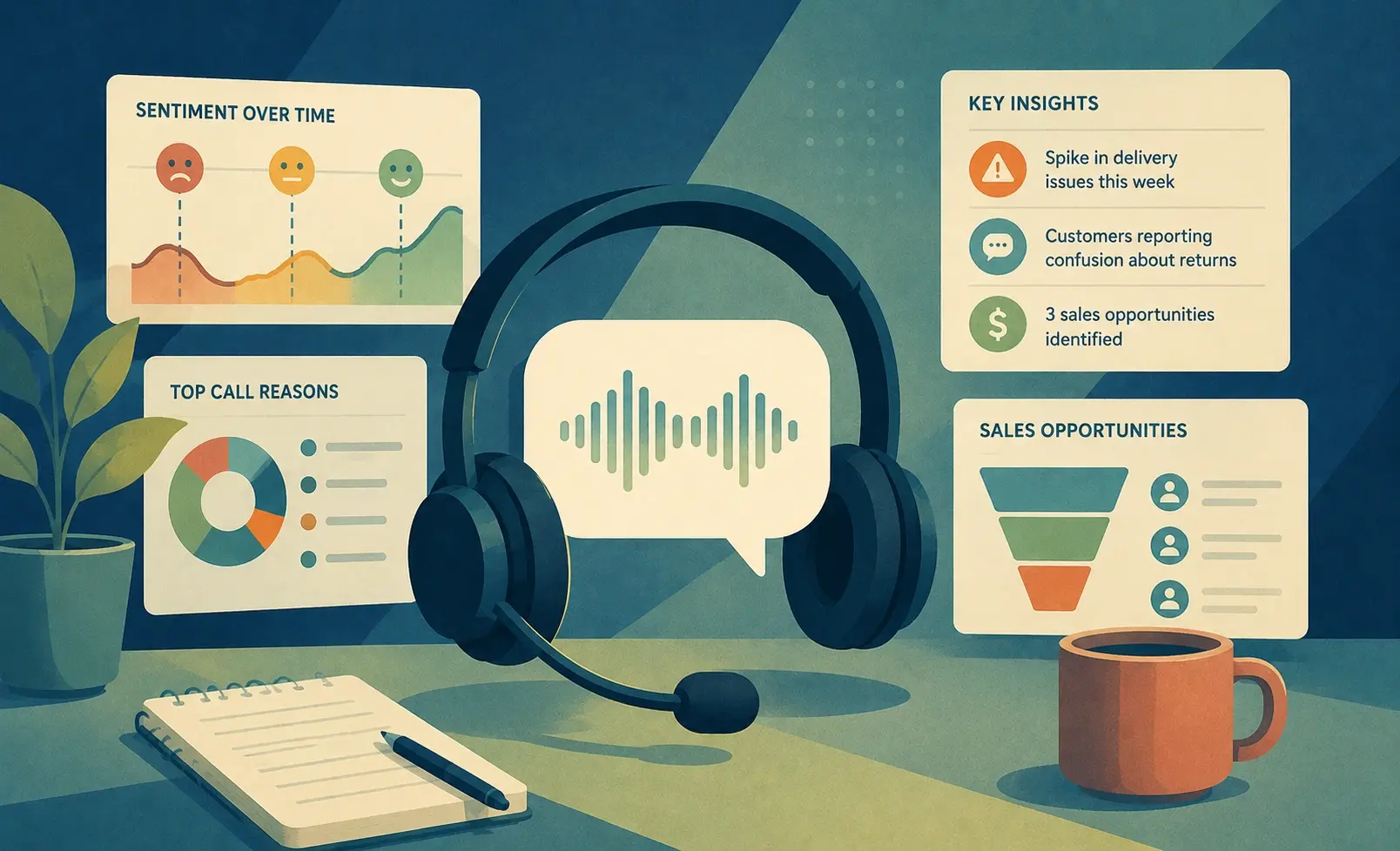
Moreover, AI coaching can uncover recurring customer pain points and sentiment trends, providing valuable context for employees as they navigate complex interactions. By identifying drivers of satisfaction and escalation, organizations can refine their service processes and improve outcomes. This proactive approach not only enhances the customer experience but also empowers employees to handle challenging situations with confidence and competence.
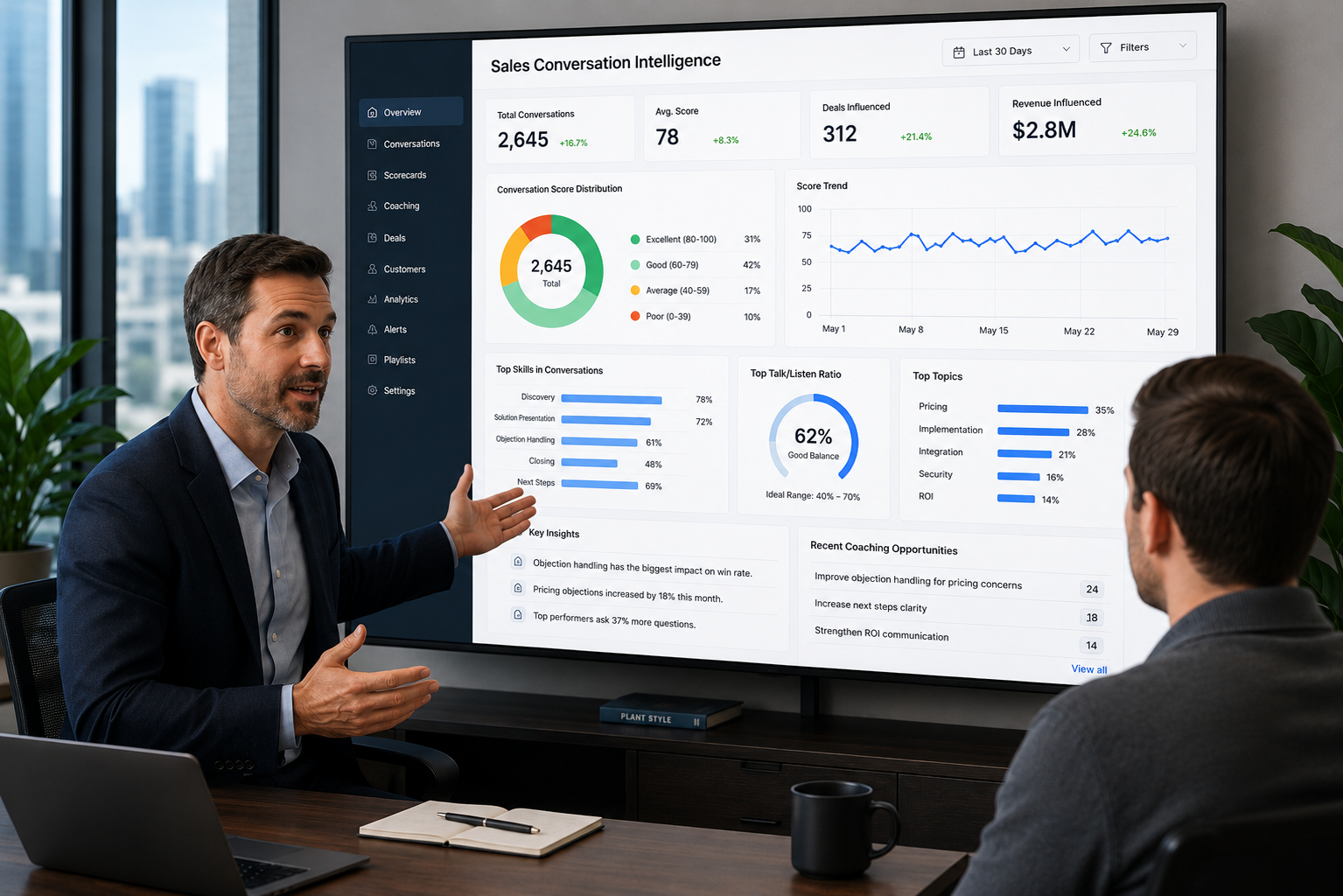
In practical terms, businesses looking to implement AI-enhanced SJTs can leverage platforms like Insight7 to streamline their assessment processes. With features such as custom evaluation templates and performance dashboards, organizations can visualize trends across agents and teams, making it easier to identify areas for improvement. Additionally, the multilingual support offered by AI platforms ensures that organizations can evaluate global conversations accurately, fostering a more inclusive and diverse workforce.
In conclusion, the integration of AI coaching into Situational Judgment Tests represents a significant advancement in soft skills assessment. By automating evaluations and providing personalized feedback, organizations can enhance employee development and drive overall success. As businesses continue to navigate the complexities of the modern workplace, leveraging AI-powered solutions will be crucial in fostering a skilled and adaptable workforce capable of meeting the challenges ahead.
AI Coaching Integration
AI coaching integration into Situational Judgment Tests (SJTs) significantly enhances the assessment of soft skills by providing real-time feedback and actionable insights. By leveraging AI technology, organizations can automate the evaluation of responses, ensuring a consistent and unbiased approach. This integration allows for the identification of skill gaps and the generation of tailored coaching recommendations, ultimately fostering employee development. Platforms like Insight7 enable businesses to analyze customer-facing conversations, uncover trends, and refine training programs, transforming every interaction into an opportunity for growth. As companies embrace AI-enhanced SJTs, they can better equip their workforce with the essential soft skills needed to thrive in today's dynamic business environment. This strategic approach not only improves individual performance but also drives organizational success.
Comparison Table
Comparison Table
The integration of Situational Judgment Tests (SJTs) with AI coaching offers a transformative approach to soft skills assessment. Insight7's AI-powered call analytics platform exemplifies this evolution by automating the evaluation of customer interactions, ensuring consistent and unbiased feedback. Traditional SJTs often lack the real-time insights that AI provides, making it challenging to identify skill gaps and coaching opportunities. With AI coaching, organizations can generate tailored recommendations based on actual performance data, enhancing employee development. Furthermore, Insight7's multilingual support allows for effective assessments across diverse teams, fostering inclusivity. In contrast, conventional methods may struggle to adapt to global needs. Overall, AI-enhanced SJTs represent a significant advancement in cultivating essential soft skills, driving both individual and organizational success.
Implementation Guide
Implementation Guide
Implementing a Situational Judgment Test (SJT) for soft skills assessment with AI coaching involves several strategic steps. First, organizations should define the specific soft skills they wish to evaluate, aligning them with business objectives. Next, integrate Insight7’s AI-powered call analytics platform to automate the evaluation of customer interactions, ensuring consistent scoring against custom quality criteria. Utilize the platform's coaching and performance management capabilities to generate actionable insights from real conversations, identifying skill gaps and offering tailored coaching recommendations. Regularly monitor agent performance and compliance to refine training programs. Finally, leverage the multilingual support feature to ensure assessments are inclusive and effective across diverse teams, ultimately enhancing employee development and driving organizational success.
Frequently Asked Questions
Q: What is a Situational Judgment Test (SJT) in the context of soft skills assessment?
A: An SJT is a psychological test that evaluates how individuals respond to hypothetical, job-related situations, assessing their soft skills and decision-making abilities.
Q: How does AI coaching enhance the SJT process?
A: AI coaching provides real-time feedback and personalized recommendations based on actual performance data, allowing for tailored development plans that address specific skill gaps.
Q: What are the benefits of using AI-powered call analytics for SJTs?
A: AI-powered call analytics automatically evaluate customer interactions, ensuring consistent feedback, detecting sentiment, and identifying coaching opportunities, which enhances the overall assessment process.
Q: Can SJTs be effectively implemented across diverse teams?
A: Yes, with multilingual support, SJTs can be adapted for various languages and cultural contexts, ensuring inclusivity and effectiveness in assessments across global teams.
Q: How can organizations track improvement after implementing SJTs with AI coaching?
A: Organizations can monitor agent performance over time through performance dashboards, allowing them to visualize trends and measure the impact of coaching on skill development.