Leadership skills evaluation using AI coaching simulations represents a transformative approach to developing effective leaders in today's fast-paced business environment. By leveraging advanced AI technologies, organizations can assess leadership capabilities through realistic simulations that mimic real-world scenarios. This method not only provides immediate feedback on performance but also identifies specific areas for improvement, enabling targeted coaching and development. As leaders navigate complex challenges, AI-driven insights help them refine their skills in communication, decision-making, and emotional intelligence. This article will explore the benefits of using AI coaching simulations for leadership evaluation, the key features that make these tools effective, and how organizations can implement them to foster a culture of continuous improvement and growth.
AI Coaching Simulations: Transforming Leadership Skills Evaluation
AI coaching simulations are revolutionizing the evaluation of leadership skills by providing organizations with innovative tools to assess and develop their leaders effectively. By utilizing advanced AI technologies, these simulations create realistic scenarios that mirror real-world challenges leaders face, allowing for immediate feedback and targeted coaching. This approach not only identifies strengths and weaknesses in leadership capabilities but also fosters a culture of continuous improvement and growth within organizations.
In today's dynamic business environment, leaders must navigate complex challenges that require strong communication, decision-making, and emotional intelligence. AI coaching simulations enable organizations to evaluate these skills in a controlled, risk-free setting. For instance, through AI-powered call analytics, leaders can analyze customer interactions to uncover insights that drive performance and enhance service quality. This data-driven approach allows for a comprehensive understanding of leadership effectiveness and areas that require further development.
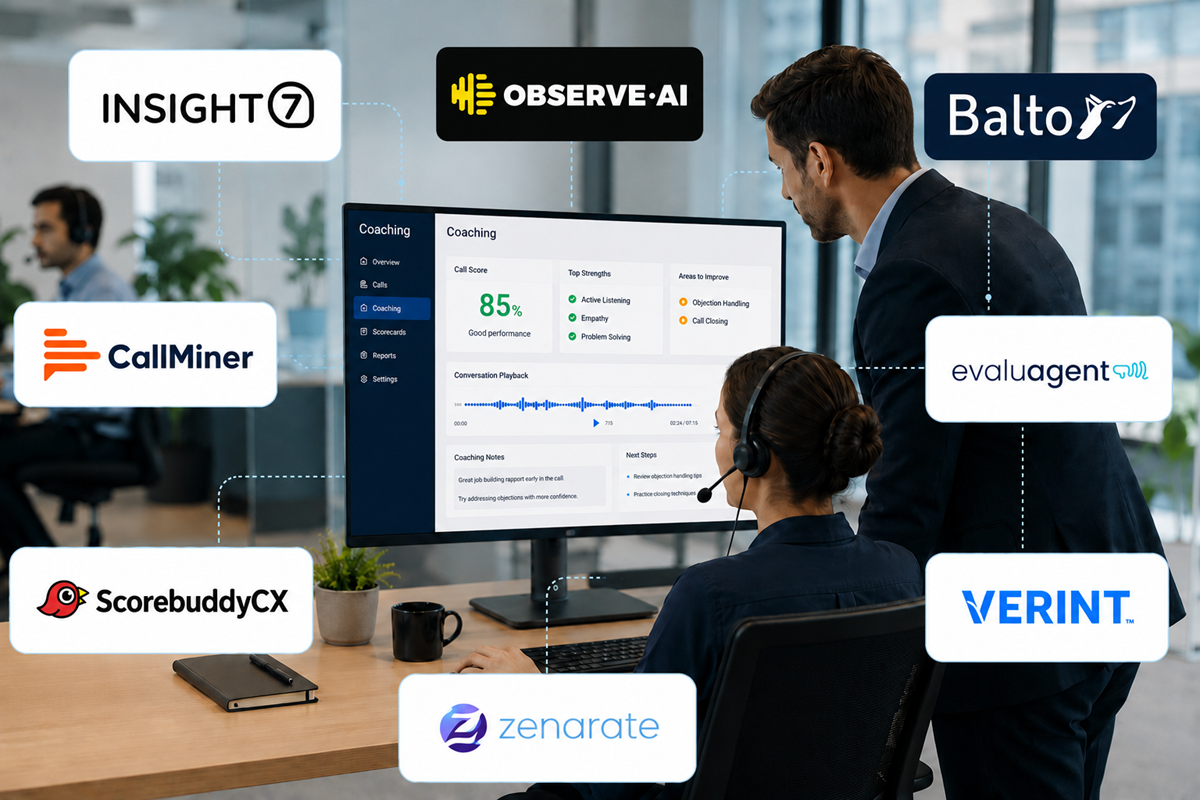
One of the core capabilities of AI coaching simulations is their ability to automatically evaluate interactions against custom quality criteria. This feature ensures that leaders receive unbiased insights into their performance, allowing them to understand their strengths and areas for improvement. By detecting sentiment, empathy, and resolution effectiveness, these simulations provide a holistic view of a leader's capabilities, enabling personalized coaching recommendations tailored to individual needs.
Moreover, AI coaching simulations facilitate ongoing performance management. By tracking agent performance over time, organizations can identify skill gaps and suggest targeted coaching strategies. This continuous monitoring not only helps in refining leadership skills but also enhances overall team performance. Leaders can leverage these insights to create effective training programs that address specific challenges faced by their teams.
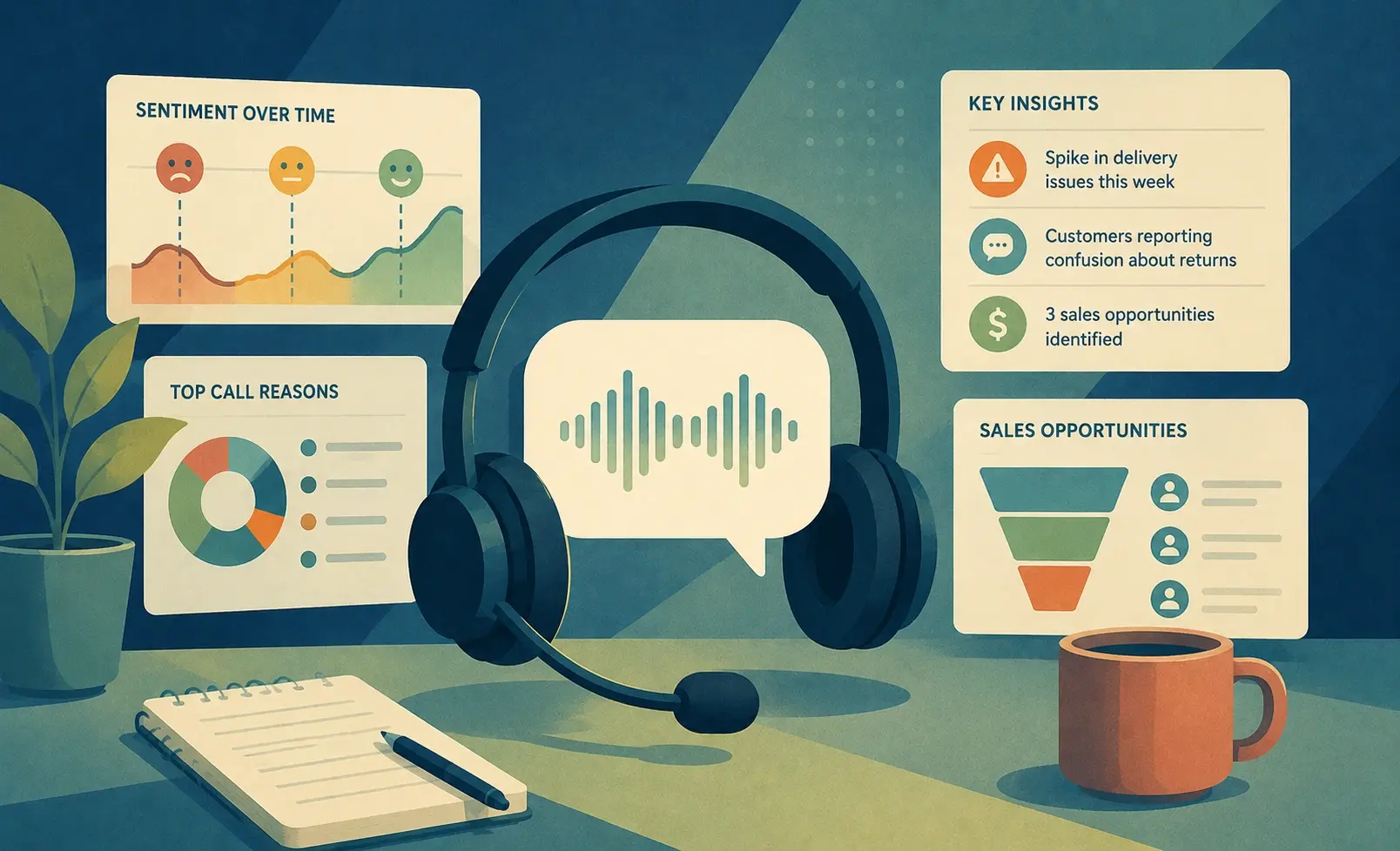
Another significant advantage of AI coaching simulations is their capacity to uncover recurring customer pain points and sentiment trends. By analyzing these insights, leaders can better understand the drivers of satisfaction and escalation within their teams, leading to improved customer experiences. This data-driven approach empowers leaders to make informed decisions that positively impact both employee engagement and customer satisfaction.
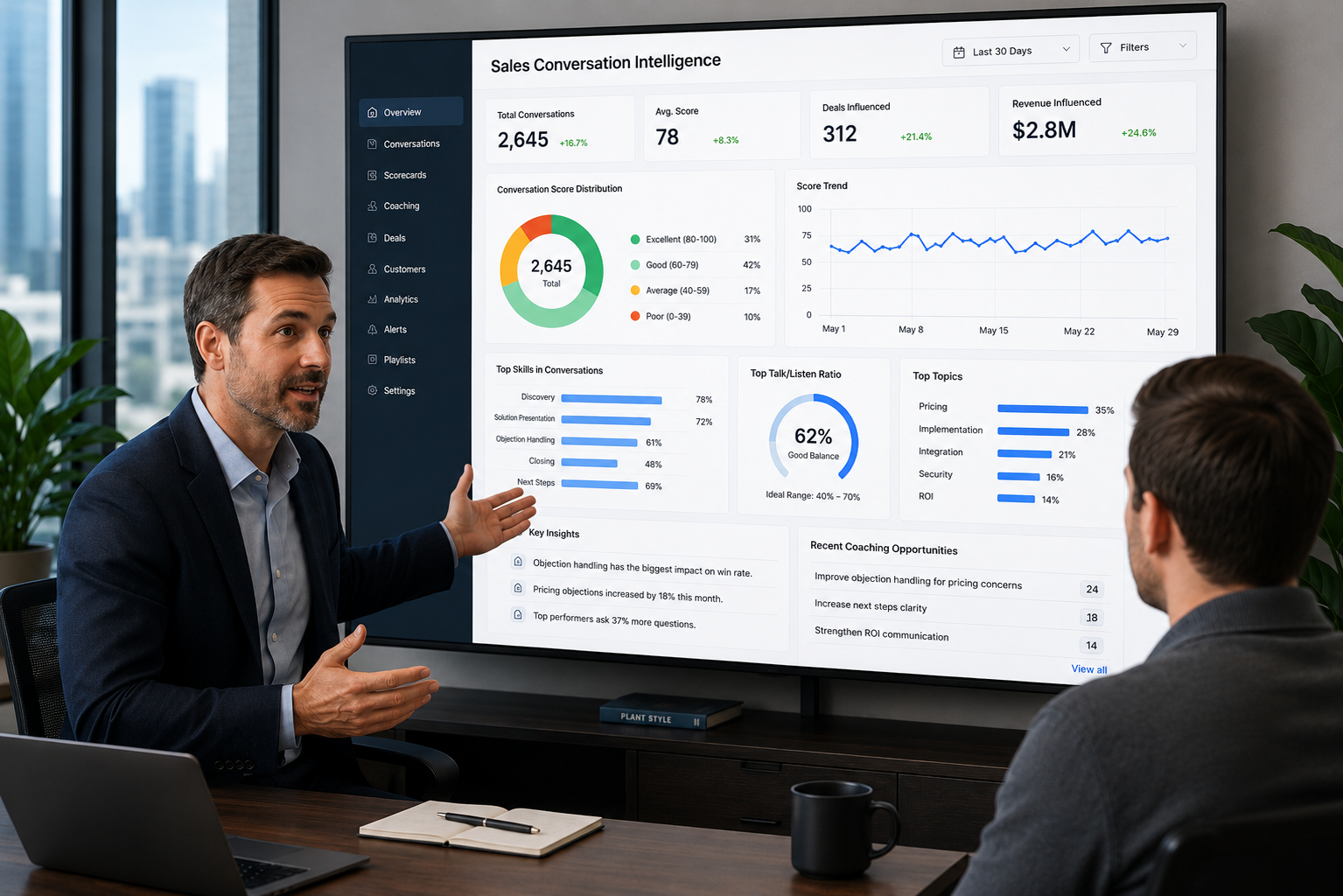
Implementing AI coaching simulations within an organization requires a strategic approach. Leaders should begin by identifying the specific skills and competencies they wish to evaluate. By aligning these objectives with the capabilities of the AI coaching simulation, organizations can ensure that the evaluation process is relevant and effective. Additionally, providing leaders with access to performance dashboards can help visualize trends across teams, making it easier to track progress and identify areas for improvement.
In conclusion, AI coaching simulations are transforming the landscape of leadership skills evaluation by providing organizations with powerful tools to assess and develop their leaders. By leveraging AI-driven insights, organizations can foster a culture of continuous improvement, ensuring that their leaders are equipped to navigate the complexities of today's business environment. As organizations embrace this innovative approach, they will not only enhance their leadership capabilities but also drive overall performance and growth.
Comparison Table
Comparison Table
| Feature/Capability | AI Coaching Simulations | Traditional Leadership Evaluation |
|---|---|---|
| Evaluation Method | Realistic simulations with immediate feedback | Surveys and performance reviews |
| Feedback Quality | Personalized, data-driven insights | Generalized feedback, often subjective |
| Skill Assessment | Comprehensive evaluation of communication, decision-making, and emotional intelligence | Limited to predefined criteria |
| Performance Tracking | Continuous monitoring and tracking of progress | Periodic reviews, often infrequent |
| Customization | Tailored scenarios based on specific competencies | Standardized assessments across all leaders |
| Data Utilization | Leverages AI analytics for actionable insights | Relies on historical performance data |
| Engagement Level | Interactive and immersive learning experience | Passive feedback sessions |
| Adaptability | Quickly adjusts scenarios based on real-time data | Fixed evaluation criteria, less responsive |
This comparison highlights how AI coaching simulations offer a more dynamic, personalized, and effective approach to leadership skills evaluation compared to traditional methods. By integrating advanced analytics and real-time feedback, organizations can foster continuous improvement and enhance leadership capabilities.
Selection Criteria
Selection Criteria
When evaluating leadership skills through AI coaching simulations, organizations should consider several key criteria to ensure effectiveness. First, the simulations must provide realistic scenarios that reflect real-world challenges leaders face, allowing for immediate feedback. This feedback should be personalized and data-driven, offering insights into communication, decision-making, and emotional intelligence. Additionally, the ability to continuously monitor and track performance over time is crucial, as it helps identify skill gaps and informs targeted coaching strategies.
Customization is another essential factor; simulations should align with specific competencies relevant to the organization’s leadership goals. Furthermore, leveraging AI analytics for actionable insights enhances the overall evaluation process. Lastly, the engagement level of the simulations should be high, creating an interactive learning experience that fosters continuous improvement and growth among leaders.
Implementation Guide
Implementation Guide
Implementing leadership skills evaluation using AI coaching simulations involves a structured approach to integrate technology into your existing training and development programs. Begin by selecting a robust AI-powered platform, like Insight7, that can evaluate real conversations and provide actionable insights. Customize the simulations to reflect your organization’s specific leadership competencies and challenges. Train your managers and team leaders on how to utilize the platform effectively, ensuring they understand how to interpret the data and feedback generated. Regularly monitor performance metrics and adapt the coaching recommendations based on the evolving needs of your teams. Finally, foster a culture of continuous improvement by encouraging leaders to engage with the simulations regularly, reinforcing their skills and enhancing overall team performance.
Frequently Asked Questions
Q: What are AI coaching simulations for leadership skills evaluation?
A: AI coaching simulations are interactive tools that assess leadership skills by placing individuals in realistic scenarios, providing immediate feedback on their performance, and identifying areas for improvement.
Q: How do these simulations enhance leadership development?
A: They offer personalized, data-driven insights into communication, decision-making, and emotional intelligence, allowing leaders to refine their skills in a safe environment.
Q: What criteria should organizations consider when selecting AI coaching simulations?
A: Organizations should look for realistic scenarios, personalized feedback, continuous performance tracking, customization to specific competencies, and high engagement levels.
Q: How can organizations implement AI coaching simulations effectively?
A: Begin by choosing a robust AI platform, customize the simulations to reflect leadership challenges, train managers on data interpretation, and foster a culture of continuous improvement.
Q: What benefits do AI coaching simulations provide for leadership teams?
A: They help identify skill gaps, enhance coaching strategies, improve communication, and ultimately drive better team performance and organizational growth.