Assessing leadership potential through AI management simulations offers a transformative approach to identifying and nurturing future leaders. By leveraging advanced AI technologies, organizations can simulate real-world scenarios that challenge participants to demonstrate their decision-making, problem-solving, and interpersonal skills. These simulations provide valuable insights into an individual's leadership capabilities, allowing companies to make informed decisions about talent development and succession planning. This article will explore how AI-driven simulations can enhance leadership assessment processes, the benefits of using data-driven insights, and practical applications for organizations seeking to cultivate effective leaders in a rapidly changing business landscape. As we delve into this topic, we will highlight the importance of integrating AI tools to foster a culture of continuous learning and improvement in leadership development.
Key Strategies for Assessing Leadership Potential Through AI Management Simulations
Assessing leadership potential through AI management simulations is a cutting-edge approach that allows organizations to evaluate and develop their future leaders effectively. By utilizing AI-driven simulations, companies can create realistic scenarios that challenge participants to exhibit their decision-making, problem-solving, and interpersonal skills. This method not only provides insights into an individual's leadership capabilities but also helps organizations make informed decisions regarding talent development and succession planning. In this section, we will explore key strategies for assessing leadership potential through AI management simulations, focusing on the benefits of data-driven insights and practical applications for fostering effective leaders in today's dynamic business environment.
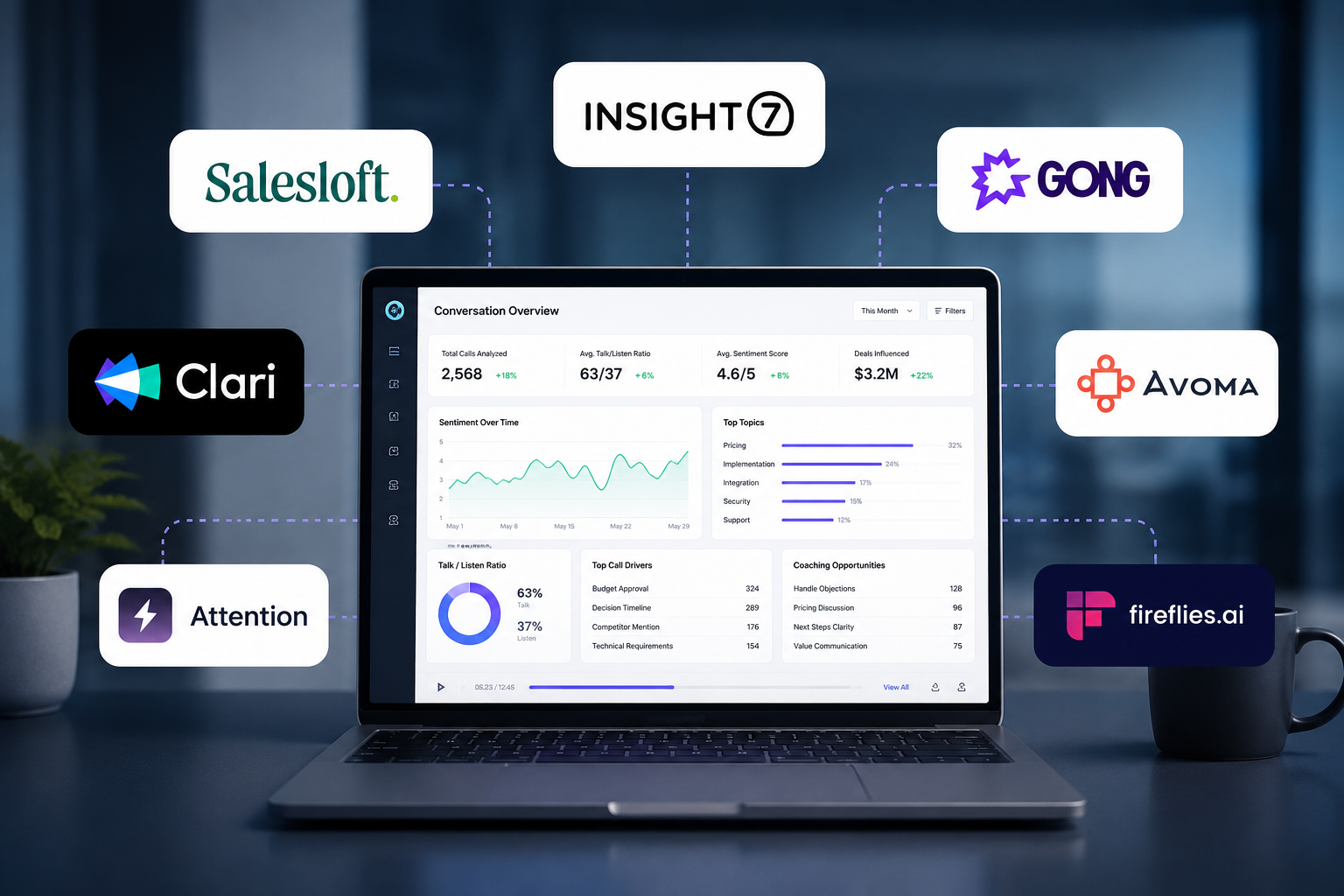
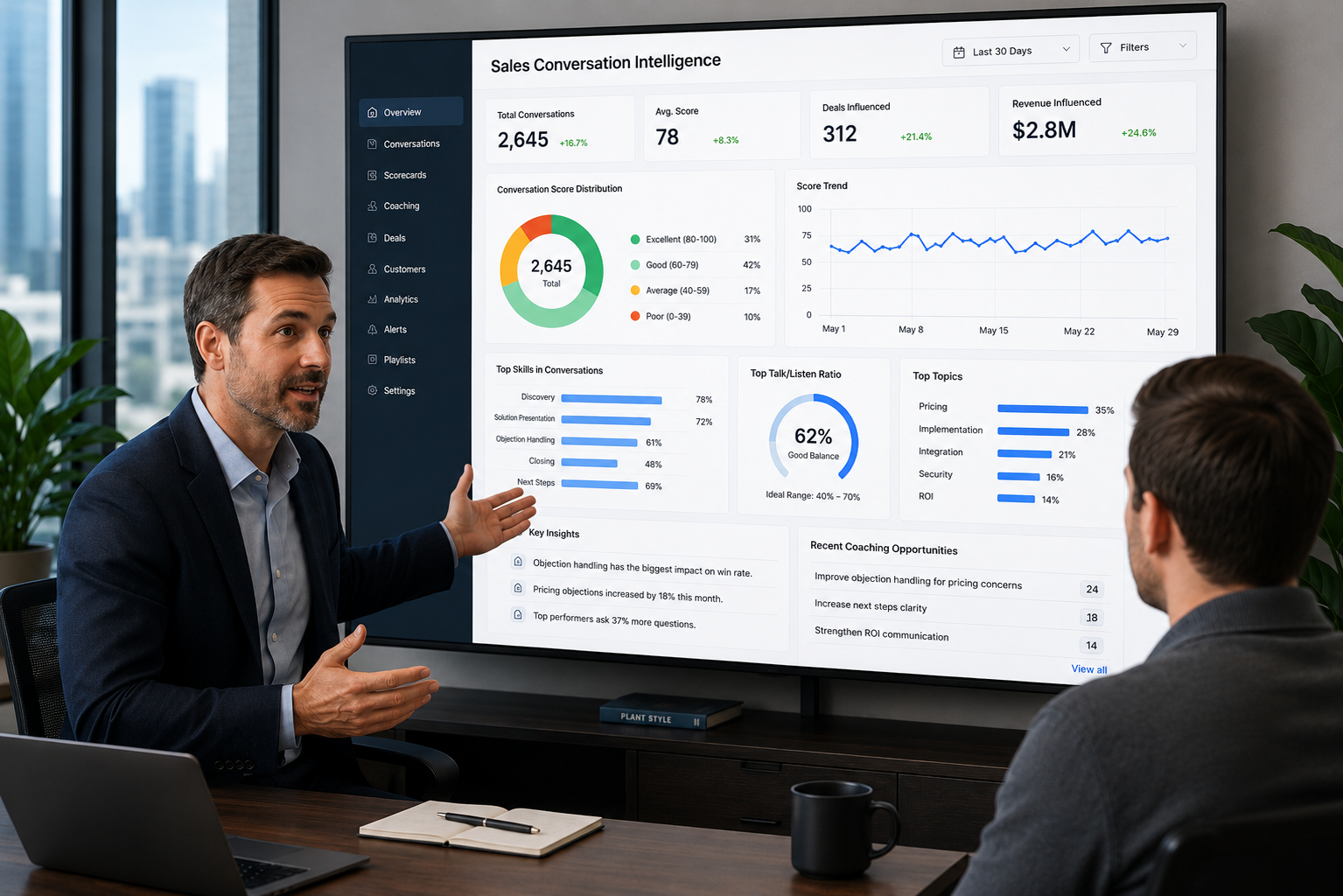
One of the primary strategies for assessing leadership potential through AI management simulations is the use of AI-powered call analytics. Platforms like Insight7 can automatically evaluate customer interactions, scoring them against custom quality criteria. This capability allows organizations to assess how individuals handle real-world situations, such as customer service challenges or sales negotiations. By analyzing these interactions, companies can identify trends in leadership behavior, such as empathy, resolution effectiveness, and overall communication skills. These insights are invaluable for determining which individuals possess the qualities necessary for effective leadership.
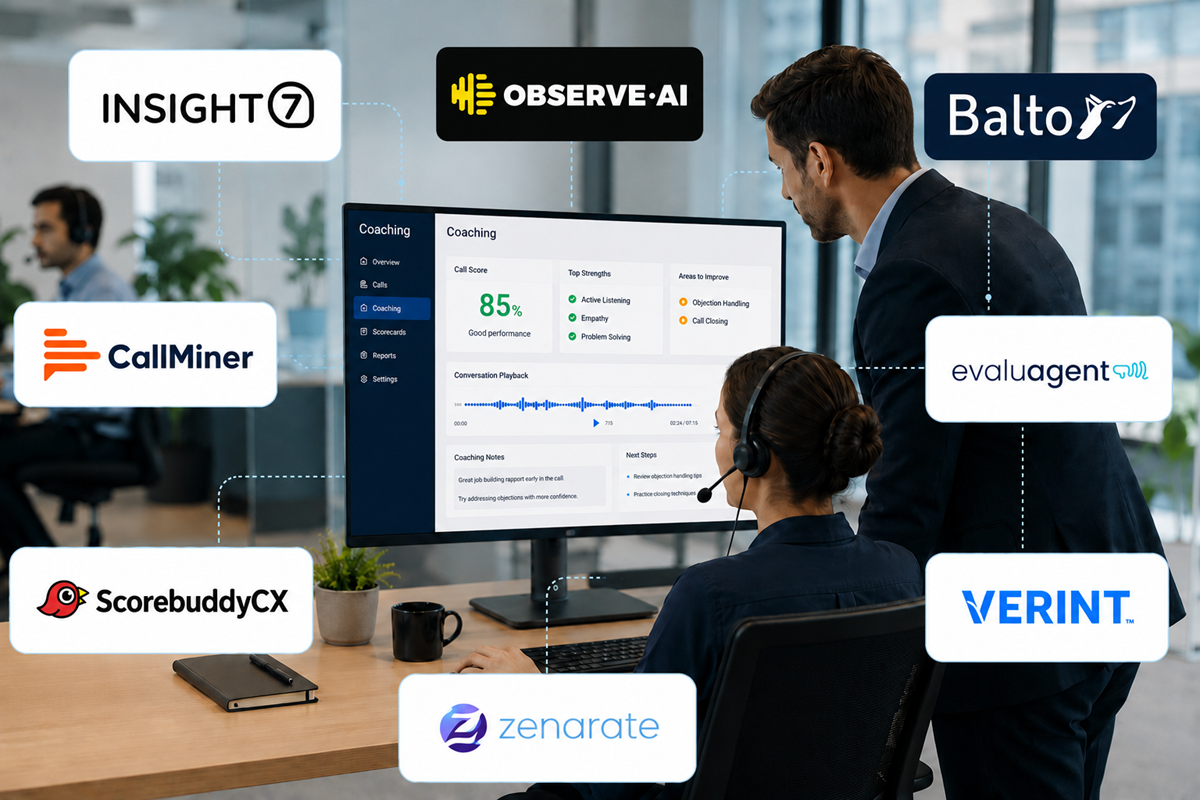
Another critical strategy is the integration of coaching and performance management within AI simulations. By generating actionable coaching insights from simulated scenarios, organizations can track participant performance over time and identify skill gaps. This targeted approach allows for personalized feedback, helping individuals to refine their leadership skills in areas where they may be lacking. Continuous monitoring of performance not only enhances individual growth but also contributes to a culture of accountability and improvement within the organization.
Moreover, AI management simulations can uncover recurring customer pain points and sentiment trends, providing a deeper understanding of the challenges leaders may face in real-world situations. By simulating these scenarios, organizations can evaluate how potential leaders respond to adversity and pressure, offering a clearer picture of their leadership potential. This data-driven approach enables companies to make strategic decisions about leadership development and succession planning, ensuring that they are nurturing the right talent for future challenges.
Additionally, the ability to detect upsell and cross-sell opportunities during AI simulations allows organizations to assess participants' strategic thinking and business acumen. By placing individuals in scenarios where they must identify revenue opportunities, companies can gauge their ability to think critically and make decisions that benefit the organization as a whole. This aspect of assessment is particularly important in fast-paced business environments where leaders must be agile and forward-thinking.
To maximize the effectiveness of AI management simulations, organizations should also focus on creating a supportive environment that encourages continuous learning and development. By fostering a culture that values feedback and growth, companies can empower individuals to take risks and learn from their experiences. This mindset not only enhances leadership potential but also contributes to overall organizational success.
In conclusion, assessing leadership potential through AI management simulations is a powerful strategy that leverages technology to provide valuable insights into individual capabilities. By utilizing AI-powered analytics, integrating coaching and performance management, and fostering a culture of continuous improvement, organizations can effectively identify and develop their future leaders. As the business landscape continues to evolve, embracing these innovative approaches will be crucial for cultivating effective leadership and driving organizational growth.
Comparison Table
Comparison Table
Assessing leadership potential through AI management simulations offers a structured approach to identifying and nurturing future leaders. By leveraging AI-powered call analytics, organizations can evaluate real-world scenarios, scoring interactions based on custom quality criteria. This enables leaders to pinpoint essential skills such as empathy, resolution effectiveness, and communication abilities. Furthermore, integrating coaching insights allows for personalized feedback, enhancing individual growth and accountability. AI simulations also reveal recurring challenges and sentiment trends, providing a comprehensive view of potential leaders' responses to pressure. Additionally, detecting upsell opportunities during simulations assesses strategic thinking and business acumen. Overall, this data-driven approach fosters a culture of continuous learning, ensuring organizations develop effective leaders for the future.
Selection Criteria
Selection Criteria
Assessing leadership potential through AI management simulations involves a comprehensive evaluation of candidates' decision-making, problem-solving, and interpersonal skills in realistic scenarios. Key selection criteria include the ability to navigate complex customer interactions, as demonstrated through AI-powered call analytics, which score conversations based on empathy, resolution effectiveness, and communication quality. Additionally, candidates should exhibit adaptability and strategic thinking by identifying upsell opportunities during simulations. The integration of coaching insights is crucial, allowing for personalized feedback and continuous performance tracking. Finally, a focus on cultural fit and a commitment to ongoing learning and development are essential, ensuring that selected individuals align with the organization’s values and are prepared to grow into effective leaders.
Implementation Guide
Implementation Guide
Assessing leadership potential through AI management simulations involves a systematic approach to evaluate candidates in realistic scenarios. Begin by integrating AI-powered call analytics to assess real-world interactions, focusing on key skills such as empathy, communication, and resolution effectiveness. Utilize custom quality criteria to score these interactions, providing a clear framework for evaluation. Implement coaching insights derived from these assessments to deliver personalized feedback, fostering individual growth and accountability. Additionally, leverage the data to identify recurring challenges and sentiment trends, which will help gauge how potential leaders respond under pressure. By detecting upsell opportunities during simulations, organizations can further assess strategic thinking and business acumen, ultimately nurturing a culture of continuous learning and effective leadership development.
Frequently Asked Questions
Frequently Asked Questions
Q: How does AI management simulation assess leadership potential?
A: AI management simulations evaluate leadership potential by immersing candidates in realistic scenarios that test their decision-making, problem-solving, and interpersonal skills, providing insights into their ability to lead effectively.
Q: What role do AI-powered call analytics play in this process?
A: AI-powered call analytics automatically assess customer interactions, scoring them on empathy, resolution effectiveness, and communication quality, which helps identify candidates' strengths and areas for improvement in leadership contexts.
Q: Can coaching insights be integrated into the assessment?
A: Yes, coaching insights derived from AI evaluations can be integrated to provide personalized feedback, enabling candidates to understand their performance and develop their leadership skills over time.
Q: How do organizations benefit from using AI simulations for leadership assessment?
A: Organizations benefit by identifying potential leaders who demonstrate strategic thinking and adaptability, ultimately fostering a culture of continuous learning and effective leadership development.
Q: Is this approach suitable for all industries?
A: While the methodology can be adapted to various industries, it is particularly effective in customer-facing roles where communication and problem-solving are critical to success.