In today's competitive sales landscape, product knowledge training has evolved from rote memorization to a more dynamic, understanding-based approach, thanks to AI. Artificial intelligence empowers sales representatives to explain product features and benefits in a way that resonates with customers, rather than simply reciting scripted lines. This shift enhances engagement and builds trust, as reps can tailor their conversations based on real-time insights and customer needs. By leveraging AI-driven tools, organizations can provide personalized coaching and feedback, enabling reps to grasp complex product details and articulate them effectively. This not only improves sales performance but also fosters a deeper connection between teams and customers, ultimately driving revenue growth and customer satisfaction.
AI-Powered Tools for Product Knowledge Training
AI-powered tools are revolutionizing product knowledge training by enabling sales representatives to explain features and benefits in a way that resonates with customers, rather than merely reciting information. This transformation is essential in today’s competitive sales environment, where understanding customer needs and delivering tailored solutions can significantly impact sales performance. By leveraging AI-driven insights, organizations can enhance their training programs, allowing reps to grasp complex product details and articulate them effectively.
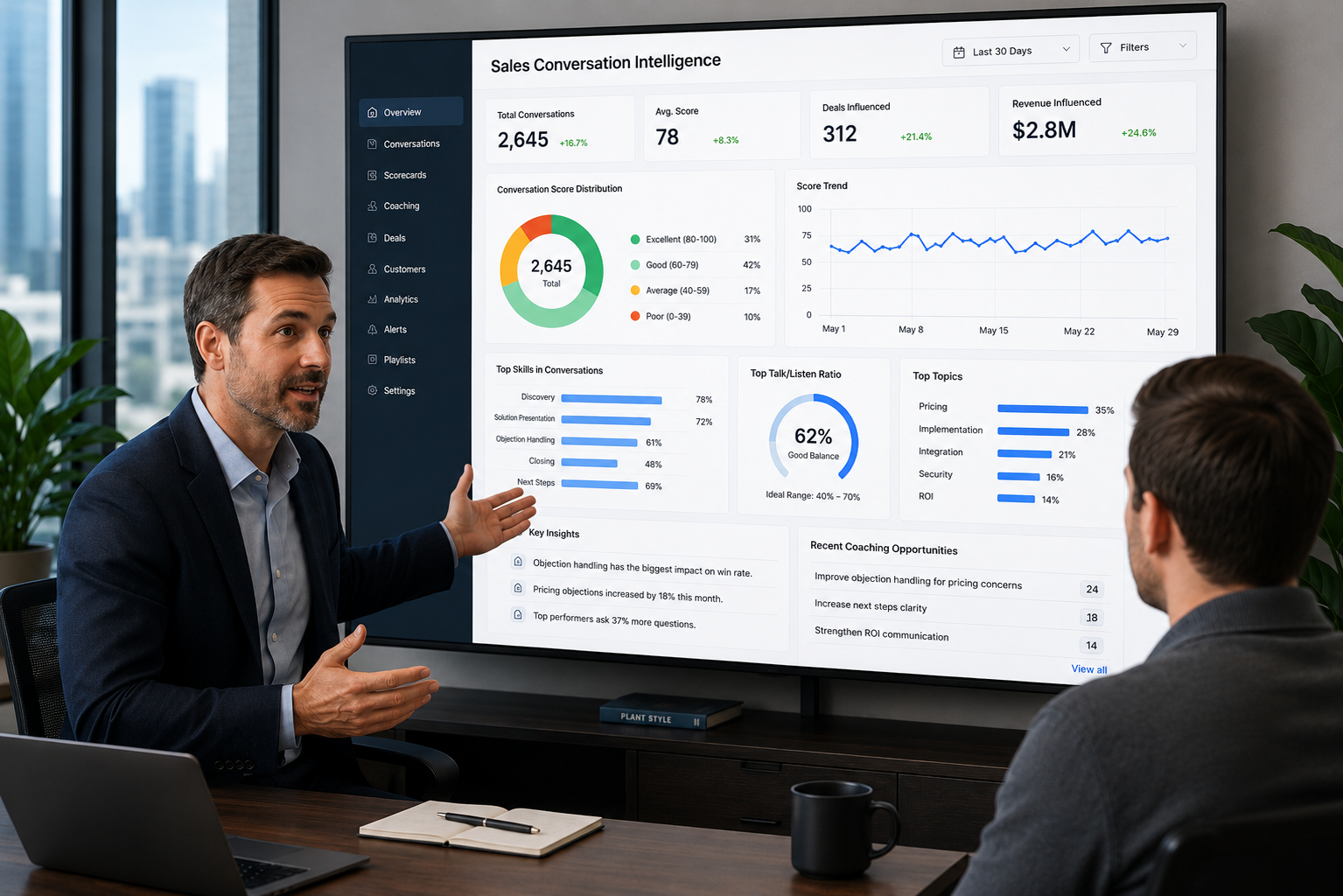
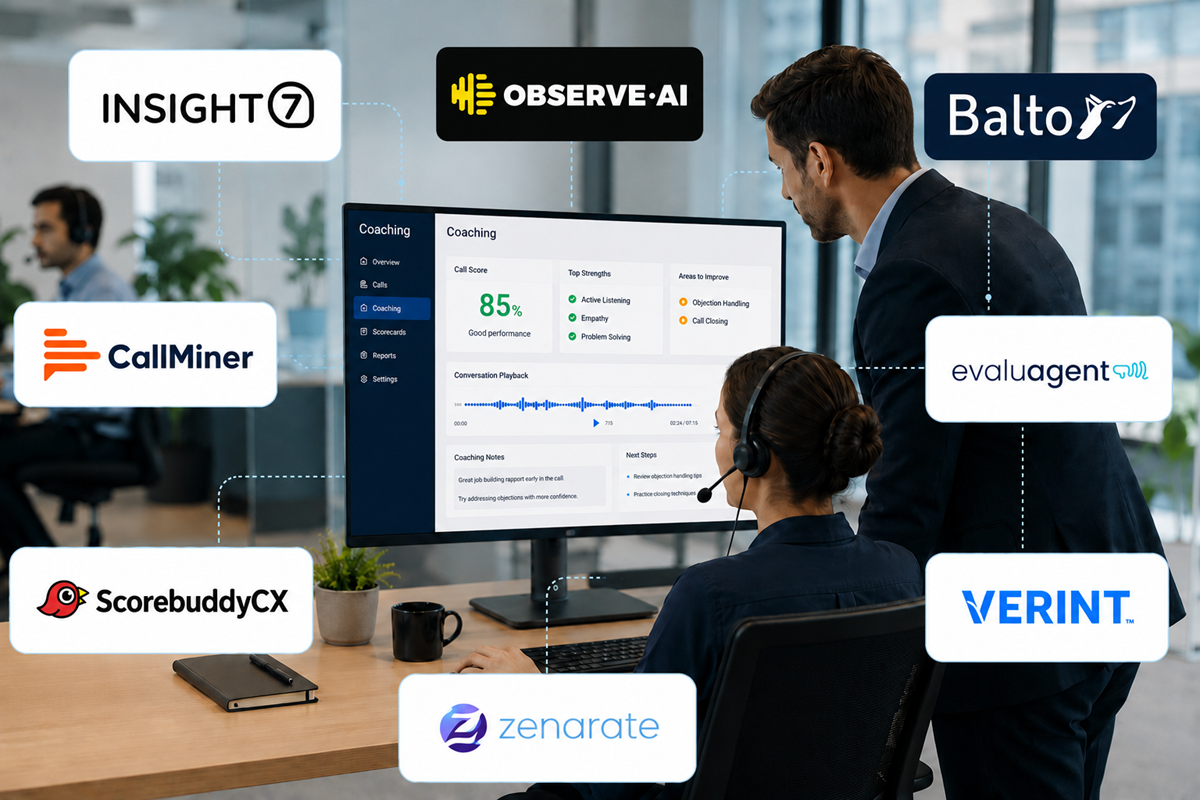
One of the key advantages of AI in product knowledge training is its ability to provide real-time feedback and coaching. Platforms like Insight7 utilize AI-powered call analytics to evaluate customer interactions, scoring them against custom quality criteria. This allows managers to identify skill gaps and suggest targeted coaching recommendations. For instance, if a sales rep struggles with articulating product benefits during calls, AI can analyze the conversation and provide specific insights on areas for improvement, such as tone, empathy, and resolution effectiveness.
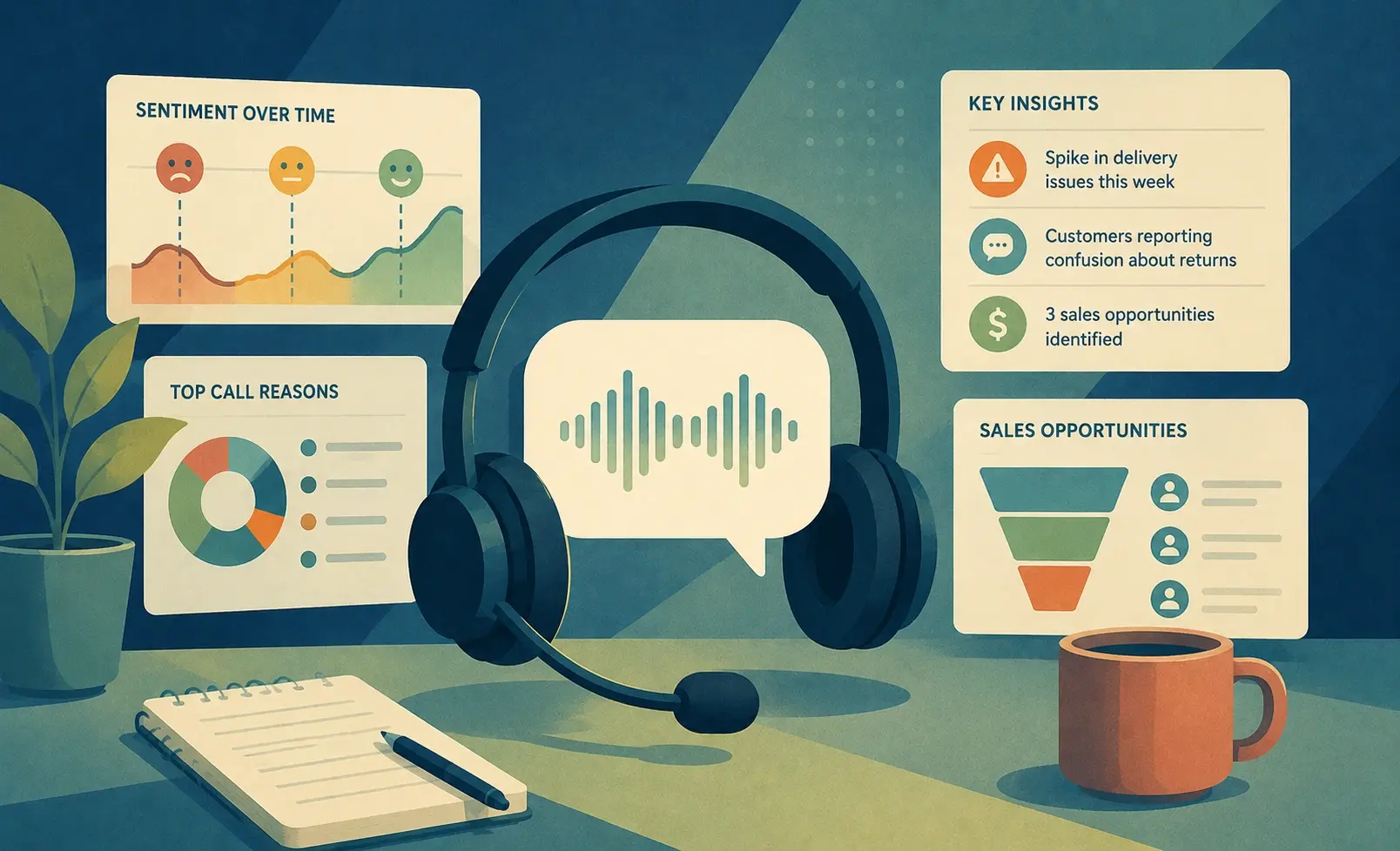
Moreover, AI tools can help sales representatives understand customer sentiment and pain points during interactions. By detecting emotions and satisfaction levels, these tools enable reps to tailor their conversations to address specific customer concerns. This personalized approach not only enhances the customer experience but also builds trust, as customers feel understood and valued. When reps can explain product features in the context of a customer’s unique challenges, they are more likely to engage effectively and drive sales.
The integration of AI in training also streamlines the learning process for sales teams. Traditional training methods often involve lengthy sessions focused on memorization, which can lead to disengagement. In contrast, AI-powered platforms provide interactive simulations and role-playing exercises that mimic real customer interactions. This hands-on practice allows reps to apply their knowledge in a safe environment, receiving immediate feedback on their performance. As a result, they can refine their skills and gain confidence before engaging with actual customers.
Furthermore, AI tools facilitate continuous learning and adaptation. As products evolve and market dynamics change, sales teams must stay informed about the latest features and benefits. AI-driven platforms can automatically update training materials and coaching insights, ensuring that reps have access to the most current information. This agility is crucial in maintaining a competitive edge and ensuring that sales representatives are equipped to meet customer needs effectively.
In summary, AI-powered tools are transforming product knowledge training by enabling sales representatives to explain, rather than just recite, product information. Through real-time feedback, personalized coaching, and interactive learning experiences, these tools empower reps to engage with customers meaningfully. As organizations embrace AI in their training programs, they can enhance sales performance, foster deeper connections with customers, and ultimately drive revenue growth.
Comparison Table
Comparison Table
In the realm of product knowledge training, AI is transforming how sales representatives engage with customers. Unlike traditional methods that focus on rote memorization, AI empowers reps to explain product features and benefits in a relatable manner. For instance, Insight7's AI-powered call analytics automatically evaluates customer interactions, providing real-time feedback on tone, empathy, and resolution effectiveness. This allows managers to identify skill gaps and offer targeted coaching, ensuring reps can articulate complex product details effectively. Moreover, AI tools help detect customer sentiment and pain points, enabling reps to tailor their conversations to meet specific needs. By fostering a deeper understanding of products and customer challenges, AI enhances sales performance and builds stronger customer relationships, ultimately driving revenue growth.
Selection Criteria
Selection Criteria
In today’s competitive sales landscape, product knowledge training must evolve from rote memorization to a deeper understanding facilitated by AI. Insight7’s AI-powered call analytics platform empowers sales representatives to explain product features and benefits effectively, rather than merely reciting them. By analyzing customer interactions, the platform provides real-time feedback on tone, empathy, and resolution effectiveness, enabling managers to identify skill gaps and offer personalized coaching. This targeted approach ensures that reps can articulate complex product details in a way that resonates with customers, addressing their unique challenges and fostering trust. Ultimately, AI-driven training enhances sales performance, strengthens customer relationships, and drives revenue growth, making it an essential tool for modern sales teams.
Implementation Guide
Implementation Guide
Product knowledge training is evolving with the integration of AI, enabling sales representatives to explain product features and benefits rather than merely reciting them. Insight7's AI-powered call analytics platform plays a crucial role in this transformation by providing real-time feedback on customer interactions. This allows managers to identify skill gaps and tailor coaching sessions effectively. By analyzing tone, empathy, and resolution effectiveness, AI empowers reps to engage customers in meaningful conversations that address their specific needs. Additionally, the platform uncovers customer sentiment and pain points, fostering a deeper understanding of products and enhancing the overall sales performance. This approach not only builds stronger customer relationships but also drives revenue growth, making AI an essential tool for modern sales teams.
Frequently Asked Questions
Q: How does AI enhance product knowledge training for sales representatives?
A: AI enhances product knowledge training by providing real-time feedback on customer interactions, allowing sales reps to explain product features and benefits effectively rather than just reciting them.
Q: What specific capabilities does Insight7 offer for training?
A: Insight7 offers AI-powered call evaluation, which scores interactions based on tone, empathy, and resolution effectiveness, helping managers identify skill gaps and tailor coaching sessions.
Q: How does AI help in identifying coaching opportunities?
A: AI analyzes customer conversations to uncover recurring pain points and sentiment trends, enabling managers to generate actionable coaching insights that improve sales performance.
Q: Can AI support multilingual training needs?
A: Yes, Insight7 provides multilingual support, allowing organizations to evaluate global conversations accurately and ensure that training is effective across diverse teams.
Q: What is the ultimate goal of integrating AI into product knowledge training?
A: The ultimate goal is to foster deeper customer relationships by equipping sales reps with the ability to engage in meaningful conversations that address customer needs, ultimately driving revenue growth.