In today's competitive landscape, effective product knowledge training is essential for maximizing team performance and ensuring customer satisfaction. Measuring retention through AI testing offers a groundbreaking approach to assess how well teams understand and apply their product knowledge. By leveraging AI-powered analytics, organizations can evaluate training effectiveness, identify knowledge gaps, and tailor coaching strategies to enhance retention. This article will explore how AI testing can transform product knowledge training, providing actionable insights that empower teams to excel in customer interactions. We will delve into the methodologies for implementing AI-driven assessments, the benefits of continuous performance monitoring, and the role of data in refining training programs to foster a culture of learning and improvement.
Measuring Retention in Product Knowledge Training with AI Testing
Measuring retention in product knowledge training with AI testing is a transformative approach that leverages advanced analytics to evaluate how well team members comprehend and apply their training. By utilizing AI-powered call analytics, organizations can automatically assess customer interactions, uncover insights about product knowledge retention, and identify areas for improvement. This method not only enhances the effectiveness of training programs but also fosters a culture of continuous learning and development.
AI testing offers a systematic way to measure retention by evaluating 100% of customer calls against custom quality criteria. This evaluation includes scoring interactions based on key factors such as tone, empathy, and resolution effectiveness. By analyzing these elements, organizations can gain a comprehensive understanding of how well their teams are applying product knowledge in real-world scenarios. For instance, if a sales representative struggles with objection handling during calls, AI analytics can pinpoint this knowledge gap, allowing managers to provide targeted coaching recommendations.
Moreover, AI-powered call evaluation delivers consistent and unbiased insights across teams, ensuring that all employees receive the same level of feedback and guidance. This uniformity is crucial for maintaining high standards of service quality and performance. By continuously monitoring agent performance and tracking improvements over time, organizations can refine their training programs to better align with the evolving needs of their teams and customers.
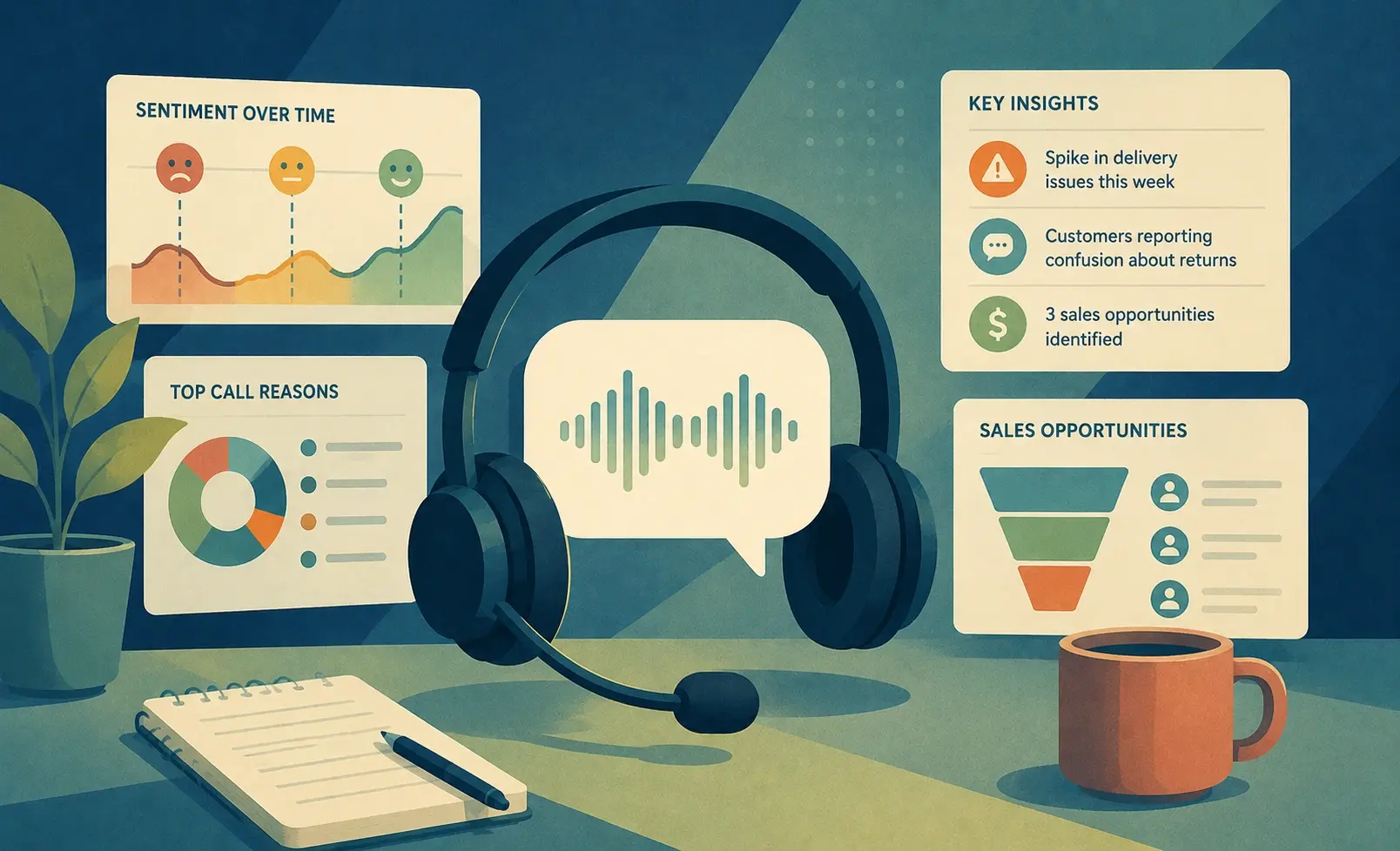
The integration of AI in measuring retention also enables organizations to uncover recurring customer pain points and sentiment trends. By identifying these issues, teams can adjust their product knowledge training to address specific challenges faced by customers, ultimately improving satisfaction and loyalty. Additionally, AI can detect upsell and cross-sell opportunities in real time, empowering teams to leverage their product knowledge effectively during customer interactions.
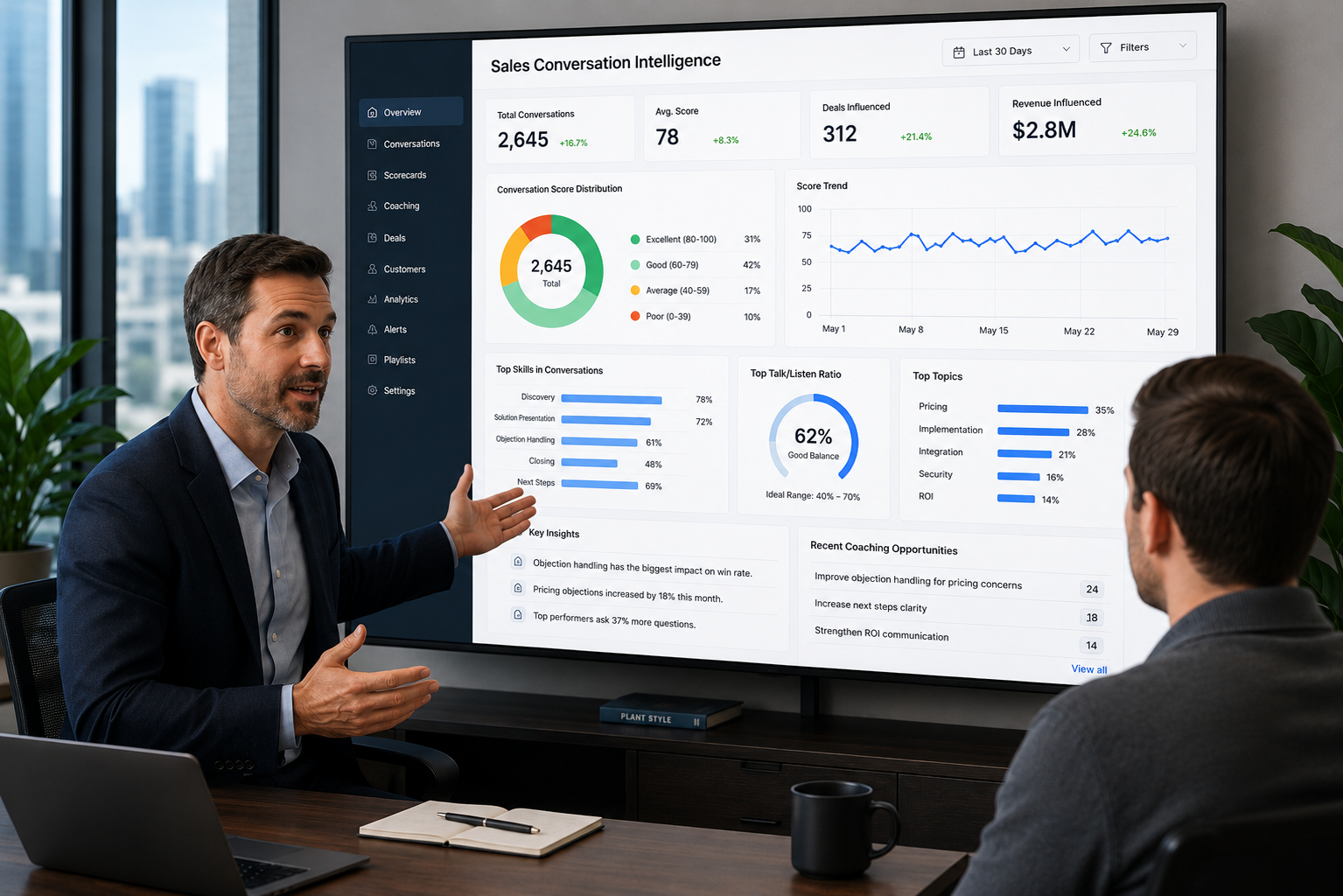
Implementing AI-driven assessments in product knowledge training requires a strategic approach. Organizations should start by defining clear evaluation criteria that align with their training objectives. Custom evaluation templates can be created to ensure that feedback is relevant and actionable. Furthermore, leveraging performance dashboards allows leaders to visualize trends across agents and teams, making it easier to identify skill gaps and areas for improvement.
In conclusion, measuring retention in product knowledge training through AI testing not only enhances the effectiveness of training programs but also empowers teams to excel in customer interactions. By leveraging AI-powered analytics, organizations can gain valuable insights into their teams' performance, identify knowledge gaps, and tailor coaching strategies to foster a culture of continuous learning. This approach ultimately drives revenue growth and improves service quality, making it an essential component of modern training methodologies.
Comparison Table
Comparison Table
When comparing traditional product knowledge training methods to AI-driven retention measurement, several key differences emerge. Traditional methods often rely on manual assessments and subjective evaluations, which can lead to inconsistencies and biases. In contrast, AI testing automatically evaluates 100% of customer interactions, providing objective insights into team performance. This technology scores calls based on custom quality criteria, such as tone and empathy, ensuring a standardized evaluation process.
Additionally, AI-powered analytics can identify specific knowledge gaps in real time, allowing for targeted coaching recommendations. This contrasts with traditional methods, which may overlook subtle issues due to limited data. By leveraging AI, organizations can foster a culture of continuous learning, enhance training effectiveness, and ultimately drive revenue growth through improved customer interactions.
Selection Criteria
Selection Criteria
When measuring retention in product knowledge training through AI testing, organizations should consider several key selection criteria. First, the ability to automatically evaluate 100% of customer interactions is crucial, as it ensures comprehensive insights into team performance. Look for AI platforms that score calls against custom quality criteria, focusing on essential factors such as tone, empathy, and resolution effectiveness. This objective evaluation helps identify specific knowledge gaps and areas for improvement.
Additionally, the platform should provide actionable coaching insights derived from real conversations, allowing managers to tailor their training programs effectively. Continuous monitoring of agent performance over time is also vital, as it enables organizations to track improvements and refine their training methodologies. Finally, ensure that the AI solution offers multilingual support and adheres to enterprise-grade security standards, such as GDPR and SOC2 compliance, to protect sensitive data while enhancing training outcomes.
Implementation Guide
Implementation Guide
To effectively implement product knowledge training that measures retention through AI testing, organizations should follow a structured approach. First, leverage AI-powered platforms like Insight7 to automatically evaluate 100% of customer interactions, ensuring comprehensive insights into team performance. Utilize custom quality criteria to score calls based on essential factors such as tone, empathy, and resolution effectiveness, which helps identify specific knowledge gaps.
Next, integrate actionable coaching insights derived from real conversations into training programs. This allows managers to tailor their coaching strategies effectively, addressing individual agent needs. Continuous monitoring of agent performance over time is crucial for tracking improvements and refining training methodologies. Finally, ensure the AI solution supports multilingual capabilities and adheres to enterprise-grade security standards, safeguarding sensitive data while enhancing training outcomes.
Frequently Asked Questions
Frequently Asked Questions
Q: How does AI testing measure retention in product knowledge training?
A: AI testing measures retention by automatically evaluating customer interactions, scoring them against custom quality criteria, and identifying knowledge gaps. This data-driven approach provides insights into agent performance and areas needing improvement.
Q: What are the benefits of using AI for product knowledge training?
A: AI enhances product knowledge training by providing objective evaluations, actionable coaching insights, and continuous monitoring of agent performance, which helps tailor training programs effectively.
Q: Can AI platforms support multilingual training?
A: Yes, AI platforms like Insight7 offer multilingual support, enabling organizations to evaluate global conversations accurately and ensure that training is accessible to diverse teams.
Q: How does AI ensure data security during training?
A: AI solutions adhere to enterprise-grade security standards, such as GDPR and SOC2 compliance, ensuring that sensitive data is protected while enhancing training outcomes.
Q: What role does continuous monitoring play in AI-driven training?
A: Continuous monitoring allows organizations to track agent performance over time, measure improvements, and refine training methodologies based on real-time insights derived from customer interactions.