Training on complex products using AI scenario-based learning offers a transformative approach to equipping teams with the skills they need to excel. By leveraging AI-driven simulations, organizations can create realistic scenarios that mimic real-world challenges, allowing employees to practice and refine their skills in a safe environment. This method not only enhances understanding of intricate products but also fosters critical thinking and problem-solving abilities. As teams engage in these interactive learning experiences, they receive immediate feedback, enabling continuous improvement. Ultimately, this innovative training approach leads to increased confidence, better performance, and a more adept workforce ready to tackle the complexities of their roles. In this article, we will explore the benefits, strategies, and best practices for implementing AI scenario-based learning in training programs.
AI Tools for Scenario-Based Training
AI tools for scenario-based training have revolutionized how organizations train their teams on complex products. By utilizing AI-driven simulations, companies can create immersive learning experiences that closely resemble real-world scenarios. This method not only enhances product understanding but also cultivates essential skills such as critical thinking, problem-solving, and effective communication. As employees engage in these interactive training sessions, they receive immediate feedback, which fosters continuous improvement and boosts their confidence in handling intricate product-related challenges.
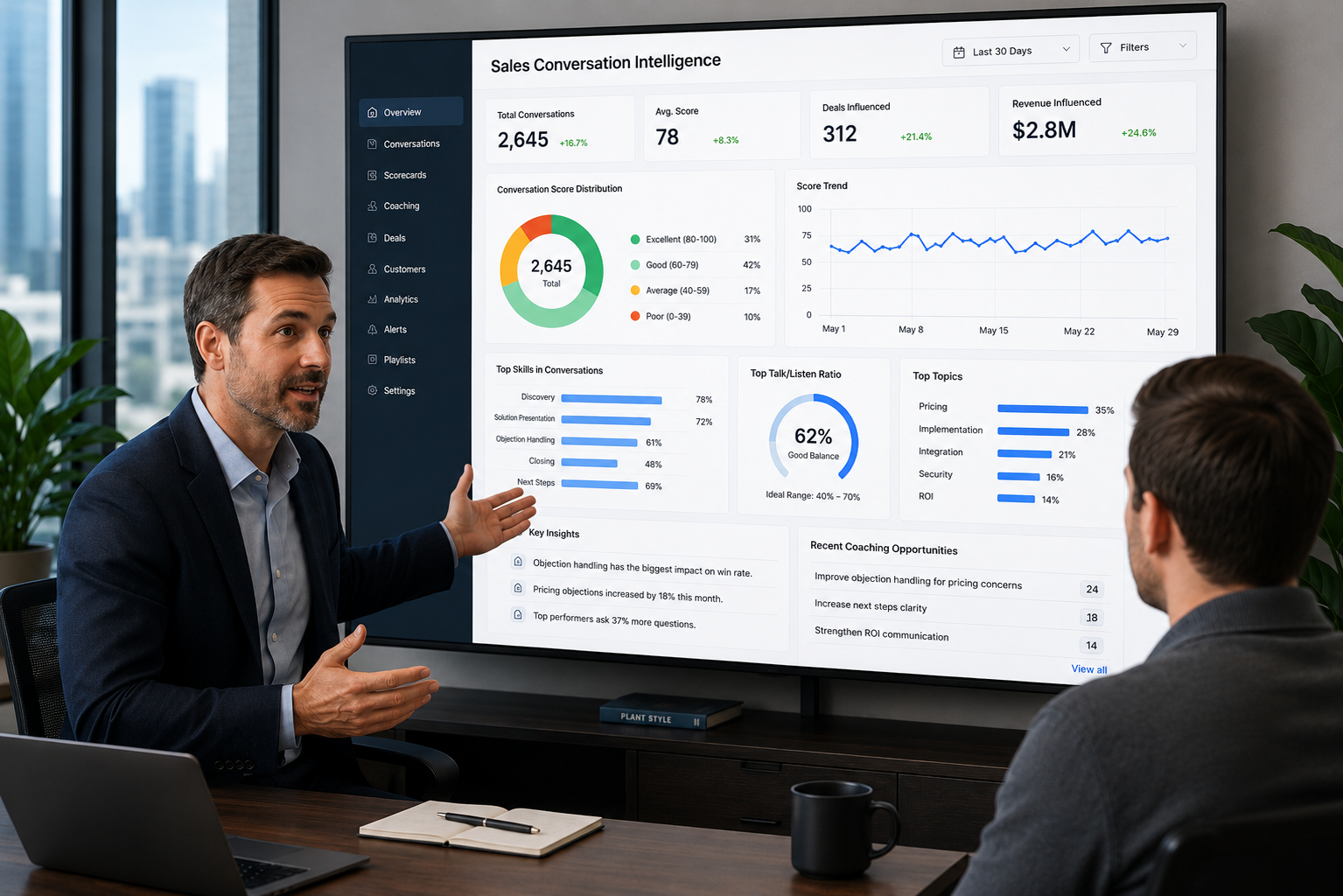
One of the standout features of AI scenario-based learning is its ability to evaluate customer interactions in real time. For instance, Insight7’s AI-powered call analytics platform automatically assesses customer calls, scoring them against customized quality criteria. This capability allows organizations to identify trends in customer interactions, detect sentiment, and measure resolution effectiveness. By analyzing these conversations, training programs can be tailored to address specific skill gaps, ensuring that employees are equipped with the knowledge and tools necessary to succeed.
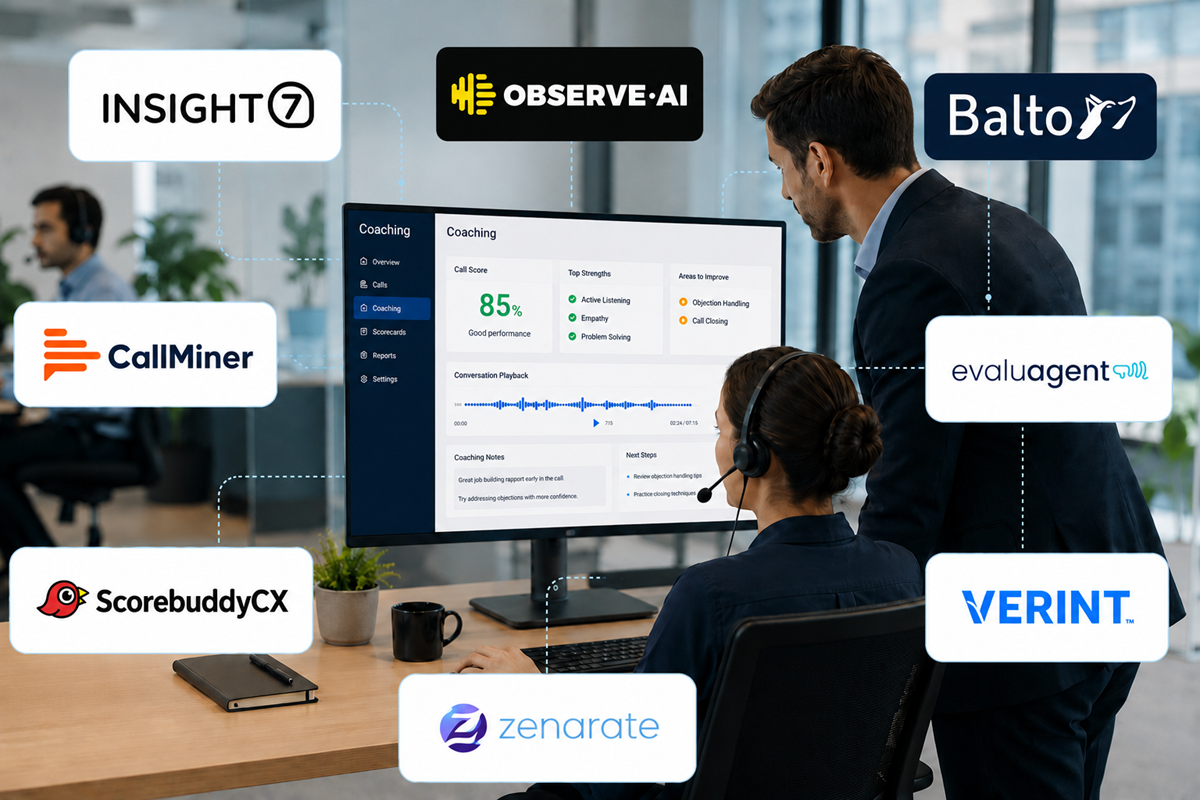
Moreover, AI-driven coaching insights can be generated from real conversations, enabling managers to provide personalized feedback to their teams. This targeted coaching approach helps employees refine their skills and adapt their strategies based on actual customer interactions. The continuous monitoring of agent performance allows organizations to track improvement over time, ensuring that training efforts are aligned with business objectives.
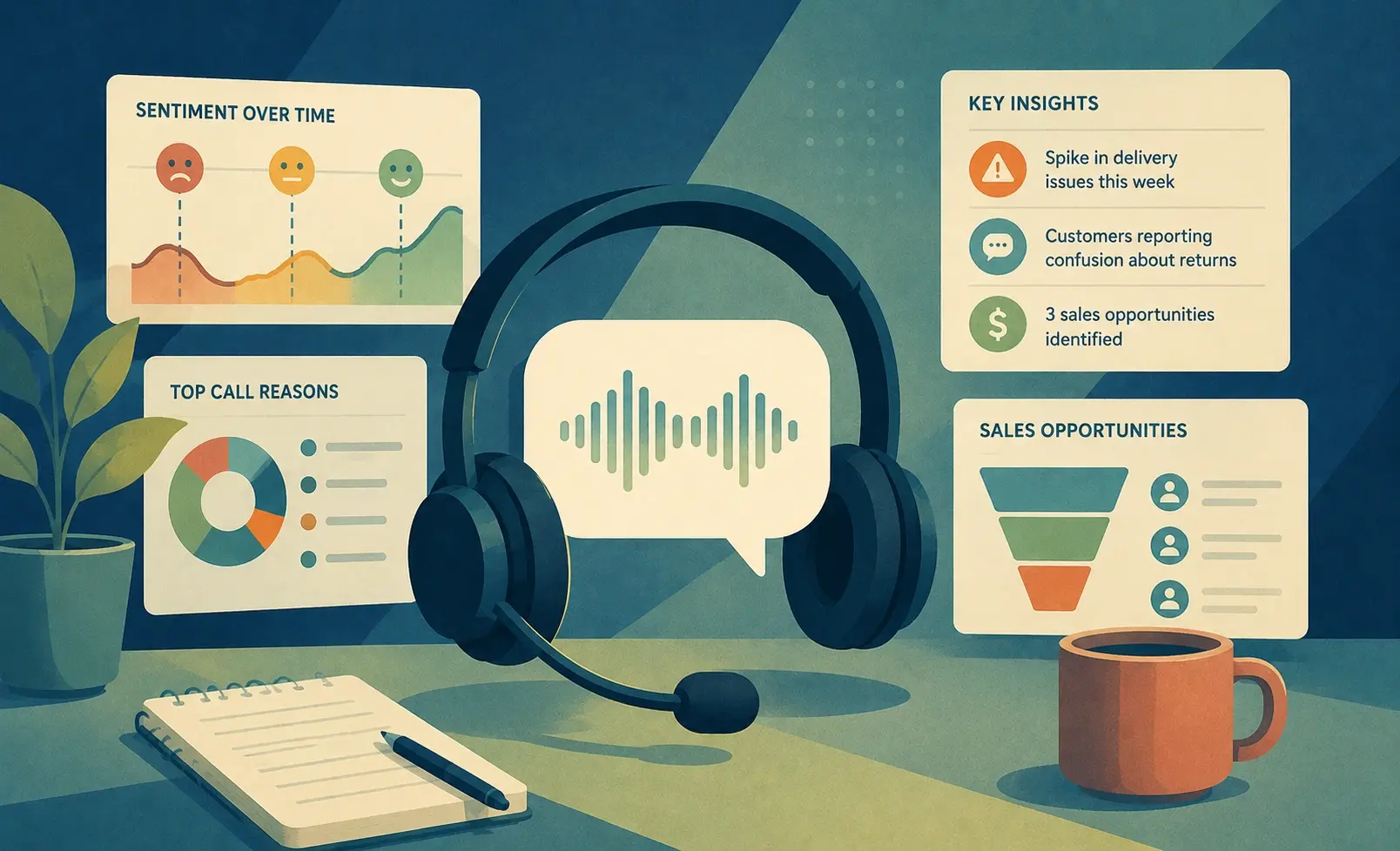
The integration of AI in scenario-based training also facilitates the identification of upsell and cross-sell opportunities during customer interactions. By uncovering recurring customer pain points and sentiment trends, organizations can better understand their clients' needs and tailor their offerings accordingly. This not only enhances customer satisfaction but also drives revenue growth, as employees become adept at recognizing and acting on potential sales opportunities.
Implementing AI scenario-based learning requires a strategic approach. Organizations should begin by defining clear training objectives and identifying the specific skills that need to be developed. By leveraging AI tools like Insight7, companies can create customized evaluation templates that align with their internal frameworks. This ensures that training programs are not only effective but also relevant to the unique challenges faced by their teams.
Additionally, organizations should prioritize ongoing training and development to keep pace with the evolving landscape of AI technology. As new tools and methodologies emerge, it is essential to update training programs regularly to incorporate the latest advancements. This commitment to continuous learning will empower employees to adapt to changes in their roles and maintain a competitive edge in the market.
In conclusion, AI scenario-based learning presents a powerful solution for training teams on complex products. By harnessing the capabilities of AI-driven tools, organizations can create engaging, realistic training experiences that enhance employee performance and drive business success. With the right strategies in place, companies can leverage these innovative training methods to build a more skilled, confident, and adaptable workforce.
Comparison Table
Comparison Table
Training on complex products using AI scenario-based learning offers a dynamic approach to skill development. Insight7's AI-powered call analytics platform exemplifies this by providing real-time evaluations of customer interactions, allowing teams to practice in realistic scenarios. Unlike traditional training methods, which may rely on static materials, AI-driven simulations adapt to individual learning needs, offering personalized feedback and coaching insights. This ensures that employees not only grasp intricate product details but also enhance their critical thinking and problem-solving skills. Moreover, the ability to identify upsell and cross-sell opportunities during training further equips teams to drive revenue. Overall, AI scenario-based learning fosters a more engaged, confident workforce ready to tackle the complexities of their roles effectively.
Selection Criteria
Selection Criteria
When selecting a training solution for complex products, organizations should prioritize AI scenario-based learning capabilities. This approach enhances employee engagement and retention by simulating real-world interactions, allowing teams to practice and refine their skills in a safe environment. Insight7’s AI-powered call analytics platform stands out by automatically evaluating customer interactions, providing unbiased feedback that aligns with custom quality criteria. The ability to detect sentiment and resolution effectiveness ensures that training is tailored to individual needs, addressing specific skill gaps. Furthermore, the platform's multilingual support and enterprise-grade security make it suitable for diverse teams, ensuring compliance while fostering a culture of continuous improvement. Ultimately, organizations should seek solutions that not only educate but also empower their workforce to excel in complex product environments.
Implementation Guide
Training on complex products using AI scenario-based learning is a transformative approach that enhances employee engagement and skill retention. By utilizing Insight7's AI-powered call analytics platform, organizations can create realistic training simulations that mimic actual customer interactions. This method allows teams to practice their skills in a safe environment, receiving immediate feedback on their performance. Unlike traditional training methods, AI-driven learning adapts to individual needs, offering personalized coaching insights that address specific skill gaps. Additionally, the platform's ability to identify upsell and cross-sell opportunities during training equips employees to drive revenue effectively. Overall, AI scenario-based learning fosters a more confident and capable workforce, ready to navigate the complexities of their roles in today's dynamic business landscape.
Frequently Asked Questions
Q: What is AI scenario-based learning for training on complex products?
A: AI scenario-based learning is an innovative training approach that uses artificial intelligence to create realistic simulations of customer interactions, allowing employees to practice and refine their skills in a safe environment.
Q: How does Insight7 enhance training with AI?
A: Insight7's AI-powered call analytics platform automatically evaluates customer interactions, providing unbiased feedback and personalized coaching insights that help employees address specific skill gaps.
Q: What are the benefits of using AI in training?
A: The benefits include improved employee engagement, enhanced skill retention, and the ability to identify upsell and cross-sell opportunities during training, ultimately driving revenue growth.
Q: Is the training adaptable to different languages and cultures?
A: Yes, Insight7 offers multilingual support, ensuring that training can be effectively delivered to diverse teams while maintaining compliance with enterprise-grade security standards.
Q: How does AI scenario-based learning foster continuous improvement?
A: By providing real-time feedback and actionable insights, AI scenario-based learning encourages a culture of continuous improvement, enabling teams to consistently enhance their performance and service quality.