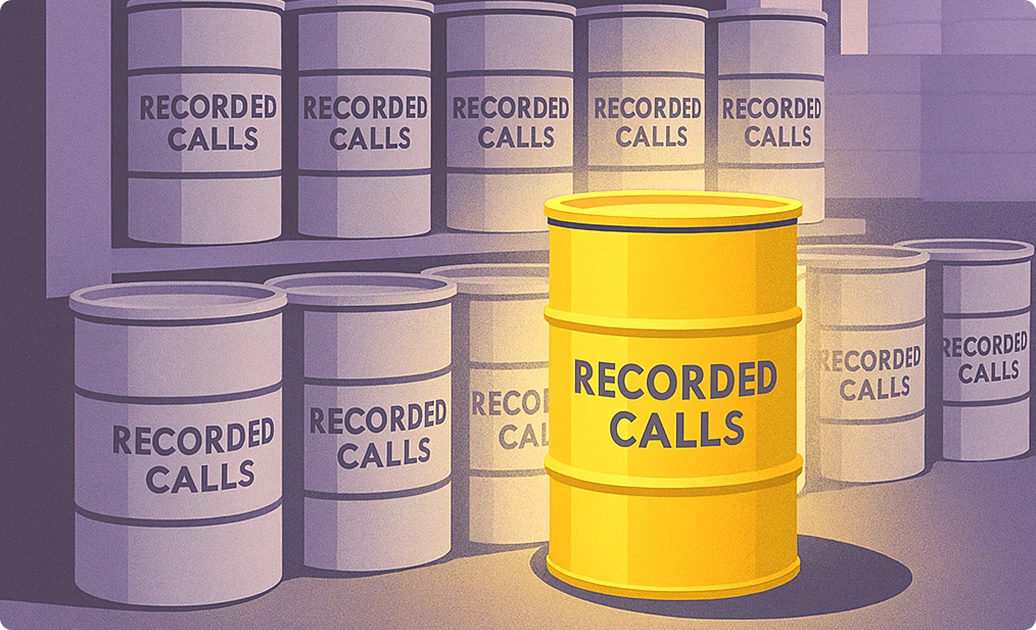
AI coaching reinforces product features through repetition by providing consistent, data-driven feedback that enhances learning and skill development. This approach allows customer-facing teams to internalize key product features and best practices, ensuring that they can effectively communicate value to clients. By automating call evaluations and generating actionable insights, AI coaching facilitates repeated exposure to essential concepts, helping agents refine their techniques over time. This continuous reinforcement not only boosts individual performance but also contributes to overall team success, driving revenue and improving customer satisfaction. As teams engage with AI-driven coaching, they become more adept at identifying upsell opportunities and addressing customer pain points, ultimately leading to a more effective and cohesive sales strategy.
AI Coaching Techniques for Reinforcing Product Features
AI coaching reinforces product features through repetition by creating a structured environment where customer-facing teams can repeatedly engage with key concepts and skills. This method leverages AI-powered call analytics to provide consistent feedback, ensuring that agents are not only aware of product features but also proficient in communicating them effectively. By automating the evaluation of customer interactions, AI coaching allows for continuous exposure to essential product information, enhancing retention and application in real-world scenarios.
One of the primary ways AI coaching achieves this is through the automation of call evaluations. Insight7's platform evaluates 100% of customer calls, scoring interactions based on custom quality criteria. This means that agents receive immediate feedback on their performance, including their ability to convey product features accurately and empathetically. The consistent reinforcement of these evaluations helps agents internalize the product features, making them more adept at addressing customer inquiries and concerns.
Moreover, AI coaching generates actionable insights from real conversations, allowing managers to identify skill gaps and tailor coaching recommendations to individual needs. For instance, if an agent struggles to articulate a specific product feature, the AI can flag this as an area for improvement and suggest targeted training resources. This personalized approach ensures that agents are not only repeating information but are also developing a deeper understanding of how to leverage product features in various customer interactions.
Repetition is further enhanced through performance tracking and benchmarking. As agents engage with the AI coaching system over time, they can see their progress and improvements in key areas. This ongoing development fosters a culture of learning and growth within customer-facing teams, where agents feel empowered to refine their skills continuously. By monitoring quality and compliance, Insight7's platform ensures that agents are consistently meeting the standards expected in their roles, reinforcing the importance of product knowledge and effective communication.
Additionally, the AI's capability to detect sentiment and customer emotions during calls provides another layer of reinforcement. Understanding how customers feel about specific product features allows agents to adjust their approach in real-time, leading to more meaningful interactions. This not only enhances the customer experience but also solidifies the agent's understanding of the product's value proposition, as they see firsthand how it resonates with clients.
In summary, AI coaching reinforces product features through repetition by automating evaluations, providing personalized coaching insights, and fostering a culture of continuous improvement. This approach not only enhances individual agent performance but also contributes to overall team success, driving revenue and improving customer satisfaction. As customer-facing teams engage with AI-driven coaching, they become more skilled at identifying upsell opportunities and addressing customer pain points, ultimately leading to a more effective sales strategy.
Comparison Table
AI coaching reinforces product features through repetition by creating a structured learning environment where customer-facing teams can consistently engage with essential concepts and skills. This is achieved through automated call evaluations that provide immediate, data-driven feedback, allowing agents to internalize product features effectively. By continuously exposing agents to key information, AI coaching enhances retention and application in real-world scenarios, ultimately improving performance and customer satisfaction.
The automation of call evaluations ensures that 100% of customer interactions are scored against custom quality criteria, delivering consistent reinforcement of product knowledge. Additionally, AI coaching generates actionable insights from real conversations, enabling managers to identify skill gaps and tailor coaching recommendations. This personalized approach fosters a culture of continuous improvement, empowering agents to refine their skills and better communicate product value.
Furthermore, performance tracking and benchmarking allow agents to monitor their progress over time, reinforcing the importance of product knowledge. The AI's ability to detect sentiment during calls adds another layer of reinforcement, helping agents adjust their approach based on customer emotions. This not only enhances the customer experience but also solidifies the agent's understanding of the product's value proposition.
In summary, AI coaching leverages repetition through automated evaluations, personalized insights, and ongoing performance tracking, leading to improved agent proficiency and overall team success. As customer-facing teams engage with AI-driven coaching, they become more adept at identifying upsell opportunities and addressing customer pain points, resulting in a more effective sales strategy.
Selection Criteria
AI coaching reinforces product features through repetition by establishing a structured learning environment where customer-facing teams can consistently engage with critical concepts and skills. This is primarily achieved through automated call evaluations that provide immediate, data-driven feedback, enabling agents to internalize product features effectively. By continuously exposing agents to key information, AI coaching enhances retention and application in real-world scenarios, ultimately improving performance and customer satisfaction.
The automation of call evaluations ensures that 100% of customer interactions are scored against custom quality criteria, delivering consistent reinforcement of product knowledge. Additionally, AI coaching generates actionable insights from real conversations, allowing managers to identify skill gaps and tailor coaching recommendations. This personalized approach fosters a culture of continuous improvement, empowering agents to refine their skills and better communicate product value.
Furthermore, performance tracking and benchmarking allow agents to monitor their progress over time, reinforcing the importance of product knowledge. The AI's ability to detect sentiment during calls adds another layer of reinforcement, helping agents adjust their approach based on customer emotions. This not only enhances the customer experience but also solidifies the agent's understanding of the product's value proposition.
In summary, AI coaching leverages repetition through automated evaluations, personalized insights, and ongoing performance tracking, leading to improved agent proficiency and overall team success. As customer-facing teams engage with AI-driven coaching, they become more adept at identifying upsell opportunities and addressing customer pain points, resulting in a more effective sales strategy.
Implementation Steps
AI coaching reinforces product features through repetition by creating a structured learning environment that enables customer-facing teams to engage consistently with essential concepts and skills. The implementation steps include automating call evaluations to provide immediate, data-driven feedback, which helps agents internalize product features effectively. By continuously exposing agents to key information, AI coaching enhances retention and application in real-world scenarios, ultimately improving performance and customer satisfaction.
To begin, set up automated call evaluations that score 100% of customer interactions against custom quality criteria. This ensures consistent reinforcement of product knowledge. Next, leverage actionable insights generated from real conversations to identify skill gaps and tailor coaching recommendations. Regular performance tracking allows agents to monitor their progress, reinforcing the importance of product knowledge. Finally, utilize sentiment detection to help agents adjust their approach based on customer emotions, further solidifying their understanding of the product's value proposition. This structured approach fosters a culture of continuous improvement, leading to enhanced agent proficiency and overall team success.
Frequently Asked Questions
Q: How does AI coaching reinforce product features through repetition?
A: AI coaching reinforces product features by providing structured, automated call evaluations that deliver immediate feedback, enabling agents to internalize product knowledge effectively. This continuous exposure to key information enhances retention and application in real-world scenarios, ultimately improving performance and customer satisfaction.
Q: What role do automated call evaluations play in AI coaching?
A: Automated call evaluations score 100% of customer interactions against custom quality criteria, ensuring consistent reinforcement of product knowledge and allowing agents to receive actionable insights to improve their skills.
Q: How does AI coaching help identify skill gaps?
A: AI coaching generates insights from real conversations, allowing managers to pinpoint specific skill gaps and tailor coaching recommendations, fostering a culture of continuous improvement among agents.
Q: In what ways does performance tracking contribute to agent proficiency?
A: Performance tracking enables agents to monitor their progress over time, reinforcing the importance of product knowledge and helping them become more adept at identifying upsell opportunities and addressing customer pain points.
Q: How does sentiment detection enhance the coaching process?
A: Sentiment detection during calls helps agents adjust their approach based on customer emotions, solidifying their understanding of the product's value proposition and enhancing the overall customer experience.