New agent training that effectively reduces the coaching burden on managers is essential for enhancing team performance and ensuring a smooth onboarding process. By leveraging AI-powered call analytics, organizations can automate the evaluation of customer interactions, providing managers with actionable insights without the need for extensive manual oversight. This approach allows managers to focus on high-impact coaching rather than spending excessive time on routine evaluations. Furthermore, personalized coaching recommendations based on real conversations can help new agents quickly identify skill gaps and improve their performance. In this article, we will explore how AI-driven training solutions can streamline the onboarding process, empower managers, and ultimately enhance overall service quality and revenue growth.
Effective Training Strategies for New Agents
Effective training strategies for new agents can significantly reduce the coaching burden on managers early in the onboarding process. By implementing AI-powered call analytics, organizations can automate the evaluation of customer interactions, enabling managers to focus on high-value coaching activities rather than spending excessive time on routine assessments. This approach not only streamlines the onboarding process but also empowers new agents to quickly identify and address their skill gaps, ultimately enhancing overall service quality and driving revenue growth.
One of the most effective strategies is to utilize AI call evaluation and quality assurance automation. This technology allows organizations to automatically evaluate 100% of customer calls, scoring interactions against custom quality criteria. By detecting sentiment, empathy, and resolution effectiveness, managers can receive consistent and unbiased insights across their teams. This automated evaluation eliminates the need for managers to manually review each call, freeing them to concentrate on providing targeted coaching and support to new agents.
In addition to automated evaluations, AI-driven coaching and performance management tools can generate actionable insights from real conversations. These insights help managers track agent performance and improvement over time, allowing them to identify specific skill gaps and suggest personalized coaching recommendations. By focusing on the areas where new agents need the most support, managers can provide guidance that is both relevant and impactful, reducing the time spent on general coaching sessions.
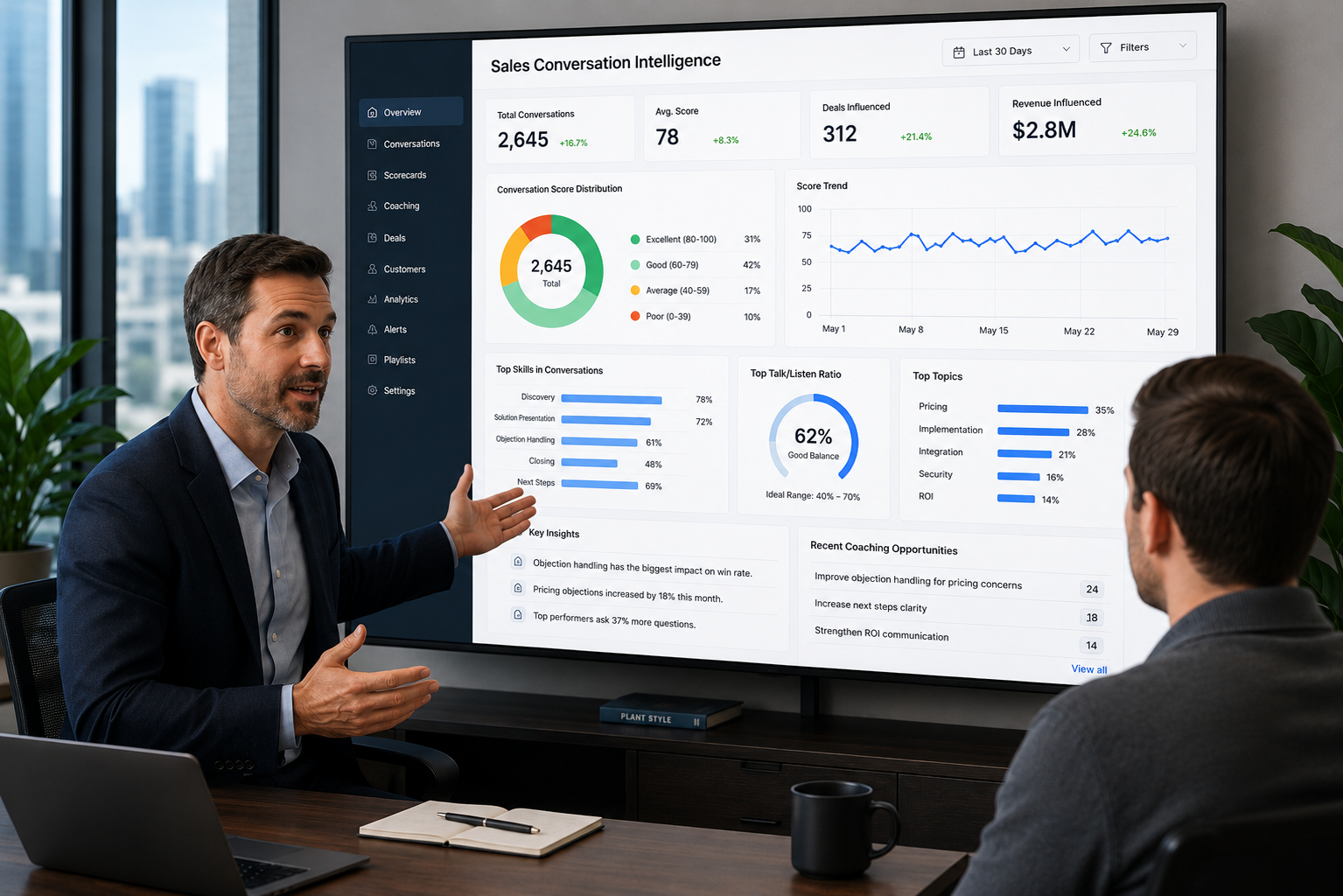
Moreover, the use of performance dashboards can visualize trends across agents and teams, making it easier for managers to identify patterns and areas for improvement. This data-driven approach allows managers to monitor quality and compliance continuously, ensuring that new agents are meeting the standards expected by the organization. By leveraging these insights, managers can proactively address issues before they escalate, further reducing their coaching burden.
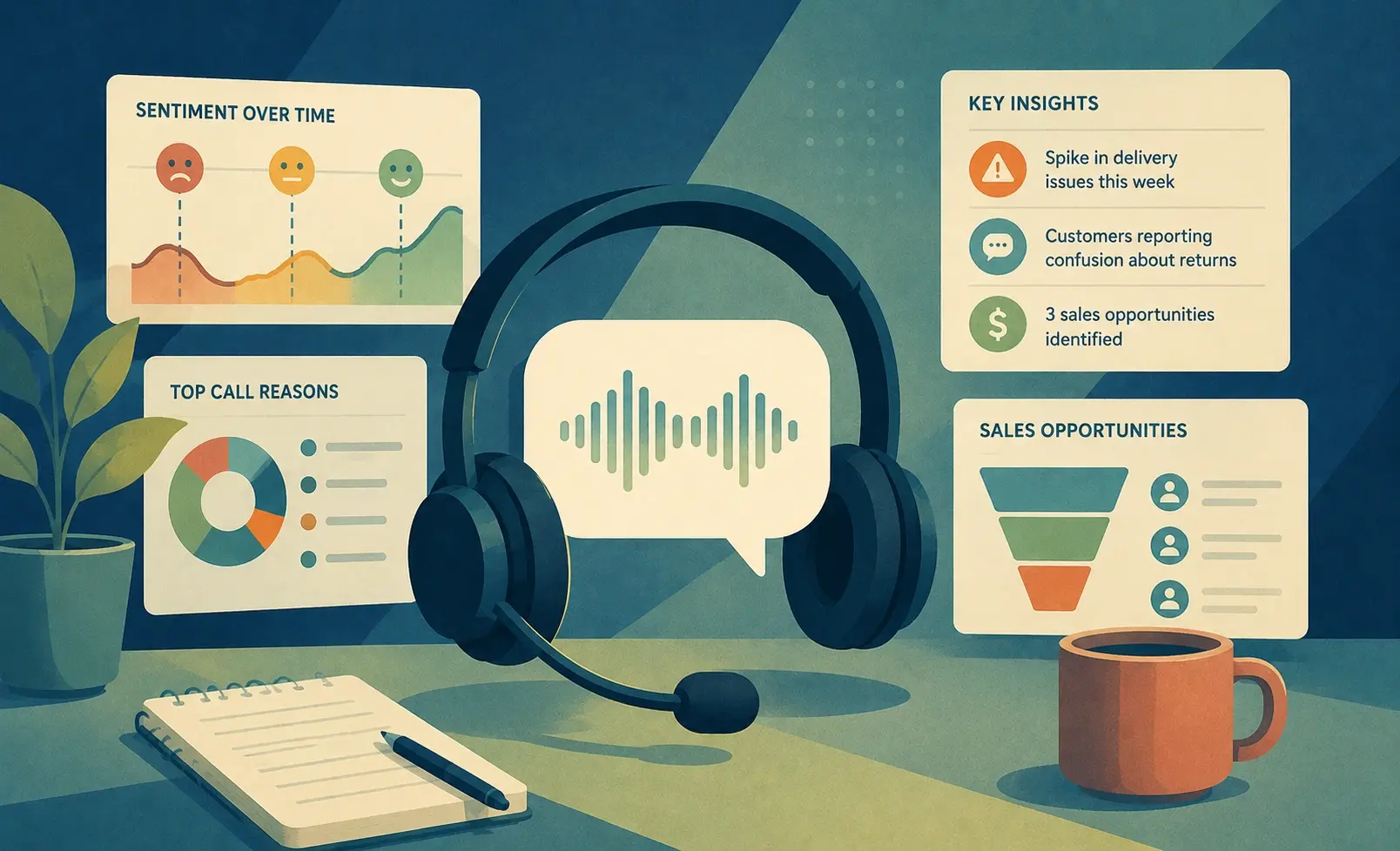
Another key aspect of effective training strategies is the identification of customer experience (CX) intelligence. By uncovering recurring customer pain points and sentiment trends, organizations can refine their service processes and improve outcomes. This intelligence can also help new agents understand the drivers of customer satisfaction and escalation, equipping them with the knowledge they need to handle customer interactions effectively. When new agents are trained with a focus on real-time insights and customer needs, they are more likely to succeed in their roles, which in turn lessens the need for ongoing managerial intervention.
Furthermore, organizations should consider implementing custom evaluation templates that align scoring and quality assurance feedback with internal frameworks. This alignment ensures that new agents receive feedback that is relevant to their specific roles and responsibilities, making it easier for them to understand and apply the insights they receive. By tailoring the training experience to the unique needs of the organization, managers can foster a more efficient onboarding process that minimizes the coaching burden.
In conclusion, effective training strategies for new agents that reduce the coaching burden on managers early in the onboarding process involve leveraging AI-powered call analytics, automated evaluations, and personalized coaching insights. By focusing on data-driven performance management and CX intelligence, organizations can empower new agents to succeed while allowing managers to concentrate on high-impact coaching activities. This approach not only enhances service quality but also drives revenue growth, creating a win-win situation for both agents and managers.
Comparison Table
Comparison Table
New agent training programs that effectively reduce the coaching burden on managers early in the onboarding process leverage AI-powered call analytics. These programs automate the evaluation of customer interactions, allowing managers to focus on high-impact coaching rather than routine assessments. Key features include:
- Automated Call Evaluation: AI evaluates 100% of customer calls, scoring them against custom criteria, which saves managers time.
- Actionable Insights: Managers receive insights from real conversations, enabling targeted coaching recommendations tailored to individual agent needs.
- Performance Dashboards: Visual trends across agents help managers quickly identify areas for improvement and monitor compliance continuously.
- CX Intelligence: By uncovering customer pain points and sentiment trends, new agents can better understand customer needs, enhancing their effectiveness.
- Custom Evaluation Templates: Aligning feedback with internal frameworks ensures relevance, making it easier for new agents to apply insights.
These features collectively streamline the onboarding process, empowering new agents and allowing managers to concentrate on strategic coaching efforts.
Selection Criteria
New agent training programs that effectively reduce the coaching burden on managers early in the onboarding process leverage AI-powered call analytics. By automating the evaluation of customer interactions, these programs allow managers to focus on high-impact coaching rather than routine assessments. Key features include automated call evaluation, which scores 100% of customer calls against custom criteria, saving managers valuable time. Actionable insights generated from real conversations enable tailored coaching recommendations for individual agents, while performance dashboards visualize trends across agents, helping managers quickly identify areas for improvement. Additionally, CX intelligence uncovers customer pain points and sentiment trends, enhancing new agents' understanding of customer needs. Custom evaluation templates align feedback with internal frameworks, ensuring relevance and facilitating the application of insights. Collectively, these features streamline the onboarding process, empowering new agents and allowing managers to concentrate on strategic coaching efforts.
Implementation Guide
New agent training programs that effectively reduce the coaching burden on managers early in the onboarding process leverage AI-powered call analytics. By automating the evaluation of customer interactions, these programs allow managers to focus on high-impact coaching rather than routine assessments. Key features include automated call evaluation, which scores 100% of customer calls against custom criteria, saving managers valuable time. Actionable insights generated from real conversations enable tailored coaching recommendations for individual agents, while performance dashboards visualize trends across agents, helping managers quickly identify areas for improvement. Additionally, CX intelligence uncovers customer pain points and sentiment trends, enhancing new agents' understanding of customer needs. Custom evaluation templates align feedback with internal frameworks, ensuring relevance and facilitating the application of insights. Collectively, these features streamline the onboarding process, empowering new agents and allowing managers to concentrate on strategic coaching efforts.
Frequently Asked Questions
Q: How does new agent training reduce the coaching burden on managers early?
A: New agent training reduces the coaching burden on managers by utilizing AI-powered call analytics to automate the evaluation of customer interactions. This allows managers to focus on high-impact coaching rather than routine assessments, streamlining the onboarding process.
Q: What are the key features of AI-powered call analytics in training?
A: Key features include automated call evaluation, which scores 100% of customer calls against custom criteria, and actionable insights generated from real conversations that enable tailored coaching recommendations for individual agents.
Q: How can performance dashboards assist managers during the training process?
A: Performance dashboards visualize trends across agents, helping managers quickly identify areas for improvement and allowing them to concentrate their coaching efforts where they are most needed.
Q: What role does CX intelligence play in new agent training?
A: CX intelligence uncovers recurring customer pain points and sentiment trends, enhancing new agents' understanding of customer needs, which is crucial for effective service delivery.
Q: How do custom evaluation templates enhance the training experience?
A: Custom evaluation templates align feedback with internal frameworks, ensuring that the coaching provided is relevant and facilitates the application of insights in real-world scenarios.