New agent training with AI measuring time to competency is revolutionizing how organizations onboard and develop their customer-facing teams. By leveraging AI-powered call analytics, companies can assess the effectiveness of training programs and track agents' progress in real-time. This approach not only accelerates the time it takes for new agents to reach competency but also enhances their performance through personalized coaching insights. As organizations increasingly rely on data-driven strategies, the integration of AI in training ensures that every interaction becomes an opportunity for growth, ultimately leading to improved service quality and increased revenue. In this article, we will explore the benefits of AI in training, how it measures time to competency, and best practices for implementation.
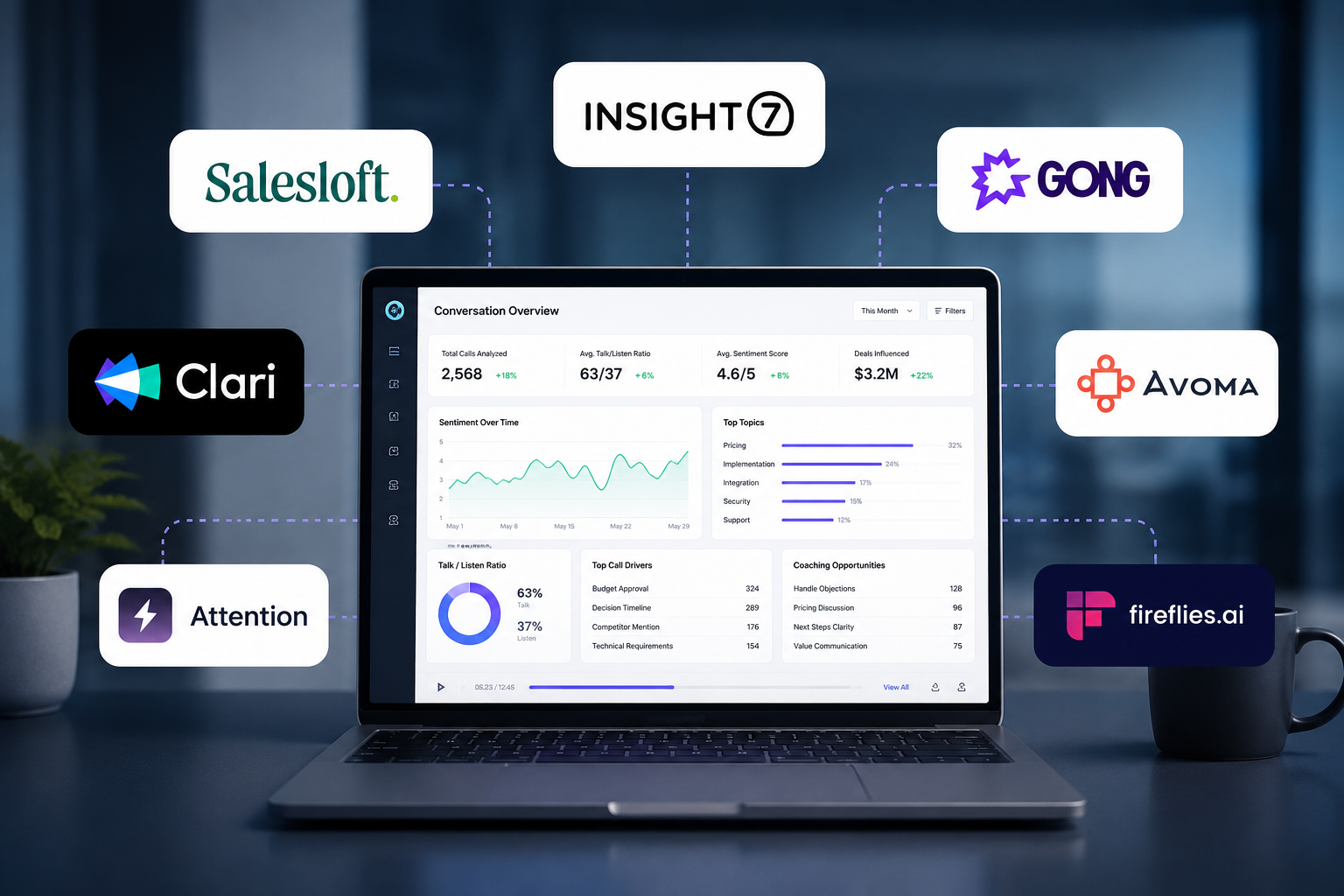
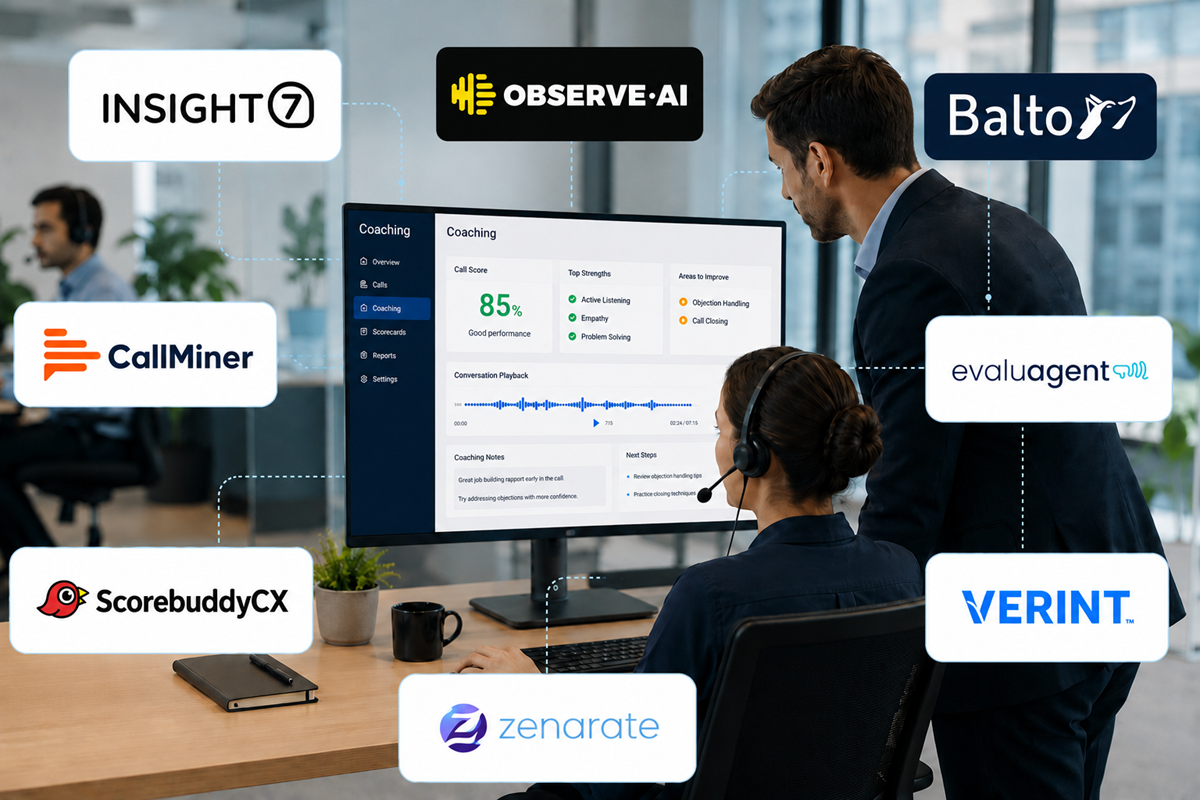
Essential Tools for New Agent Training with AI
New agent training with AI measuring time to competency is transforming the onboarding process for customer-facing teams. By utilizing AI-powered call analytics, organizations can effectively evaluate training programs and monitor agents' progress in real-time. This innovative approach not only shortens the time it takes for new agents to become competent but also enhances their performance through tailored coaching insights. As businesses increasingly adopt data-driven strategies, integrating AI into training ensures that every customer interaction is an opportunity for growth, leading to improved service quality and increased revenue.
The integration of AI in new agent training allows organizations to automatically evaluate customer calls, scoring interactions against custom quality criteria. This capability enables leaders to detect sentiment, empathy, and resolution effectiveness, providing consistent and unbiased quality assurance insights across teams. By evaluating 100% of customer interactions, organizations can identify trends and recurring customer pain points, which are crucial for refining training programs and enhancing overall service quality.
One of the most significant advantages of using AI in training is its ability to measure time to competency. Traditional training methods often rely on subjective assessments and can take weeks or even months for new agents to reach full competency. In contrast, AI-powered analytics provide real-time data on agent performance, allowing organizations to track progress and make informed decisions about coaching and development. This data-driven approach ensures that agents receive personalized feedback based on their actual performance, enabling them to improve quickly and effectively.
Coaching and performance management are further enhanced through AI insights. By generating actionable coaching recommendations from real conversations, organizations can identify skill gaps and suggest targeted coaching interventions. This continuous monitoring of quality and compliance not only supports agents in their development but also fosters a culture of accountability and improvement within teams. As agents receive timely feedback, they can adjust their approaches and strategies, ultimately leading to better customer experiences.
Moreover, AI's ability to detect upsell and cross-sell opportunities in real-time during customer interactions can significantly impact revenue generation. By equipping agents with the insights needed to identify these opportunities, organizations can maximize the value of each customer interaction. This not only benefits the agents but also contributes to the overall growth and success of the business.
To implement AI effectively in new agent training, organizations should focus on a few best practices. First, it is essential to establish clear quality criteria that align with the organization's goals and customer expectations. This alignment ensures that the AI evaluation process is relevant and meaningful. Additionally, organizations should invest in training managers and team leaders on how to interpret AI-generated insights and integrate them into their coaching strategies. This training will empower leaders to support their teams effectively and drive continuous improvement.
In conclusion, measuring time to competency through AI-powered call analytics revolutionizes new agent training by providing real-time insights, personalized coaching, and improved performance management. As organizations embrace this technology, they can expect to see accelerated onboarding processes, enhanced agent capabilities, and ultimately, a more satisfied customer base. By leveraging AI, businesses can turn every customer interaction into a valuable opportunity for growth and success.
Comparison Table
Comparison Table
New agent training with AI measuring time to competency offers a transformative approach to onboarding customer-facing teams. Traditional training methods often rely on subjective assessments and can take weeks or months for agents to reach full competency. In contrast, AI-powered call analytics automatically evaluate 100% of customer interactions, providing real-time insights into agent performance. This allows organizations to track progress effectively and deliver personalized coaching recommendations based on actual performance data.
Additionally, AI can identify skill gaps and suggest targeted interventions, fostering a culture of continuous improvement. By measuring time to competency through AI, organizations can shorten onboarding processes, enhance agent capabilities, and ultimately improve customer satisfaction and revenue generation. This data-driven approach ensures that every interaction becomes an opportunity for growth, making it a vital tool for modern training programs.
Selection Criteria
Selection Criteria
When evaluating new agent training programs utilizing AI to measure time to competency, several key criteria should be considered. First, the ability of the AI system to automatically evaluate 100% of customer calls is crucial, as it ensures comprehensive performance insights. The platform should score interactions against custom quality criteria, allowing organizations to tailor evaluations to their specific needs. Additionally, the system must detect sentiment, empathy, and resolution effectiveness, providing a holistic view of agent performance.
Another important criterion is the generation of actionable coaching insights from real conversations. This feature enables managers to identify skill gaps and deliver targeted coaching recommendations, fostering continuous improvement. Furthermore, the platform should offer performance dashboards for visualizing trends and tracking progress over time, ensuring that organizations can effectively monitor agent development and optimize training programs. Lastly, enterprise-grade security compliance, such as GDPR and SOC2, is essential to protect sensitive customer data during the training process.
Implementation Guide
Implementation Guide
New agent training with AI measuring time to competency revolutionizes the onboarding process for customer-facing teams. By leveraging AI-powered call analytics, organizations can evaluate 100% of customer interactions, providing real-time insights into agent performance. This allows for precise tracking of progress and the identification of skill gaps, enabling tailored coaching recommendations based on actual performance data.
To implement this approach, begin by integrating an AI platform that automatically scores interactions against custom quality criteria. Ensure the system can detect sentiment, empathy, and resolution effectiveness to provide a comprehensive view of agent capabilities. Regularly review performance dashboards to visualize trends and monitor development over time. By fostering a culture of continuous improvement, organizations can significantly reduce the time to competency, enhancing agent effectiveness and ultimately driving customer satisfaction and revenue growth.
Frequently Asked Questions
Q: What is new agent training with AI measuring time to competency?
A: New agent training with AI measuring time to competency involves utilizing AI-powered call analytics to evaluate customer interactions, providing insights that help track agent performance and reduce the time it takes for new agents to become fully competent.
Q: How does AI improve the training process for new agents?
A: AI enhances the training process by automatically evaluating 100% of customer calls, scoring interactions based on custom quality criteria, and generating actionable coaching insights that identify skill gaps and suggest targeted recommendations.
Q: What are the benefits of using AI for measuring time to competency?
A: The benefits include comprehensive performance insights, the ability to detect sentiment and empathy in interactions, and continuous monitoring of agent development, which collectively lead to improved service quality and customer satisfaction.
Q: How can organizations implement AI-powered training for new agents?
A: Organizations can implement AI-powered training by integrating a call analytics platform that scores interactions, regularly reviews performance dashboards, and fosters a culture of continuous improvement to enhance agent effectiveness.
Q: What security measures should be considered when using AI for training?
A: It's essential to ensure that the AI platform complies with enterprise-grade security standards, such as GDPR and SOC2, to protect sensitive customer data during the training process.