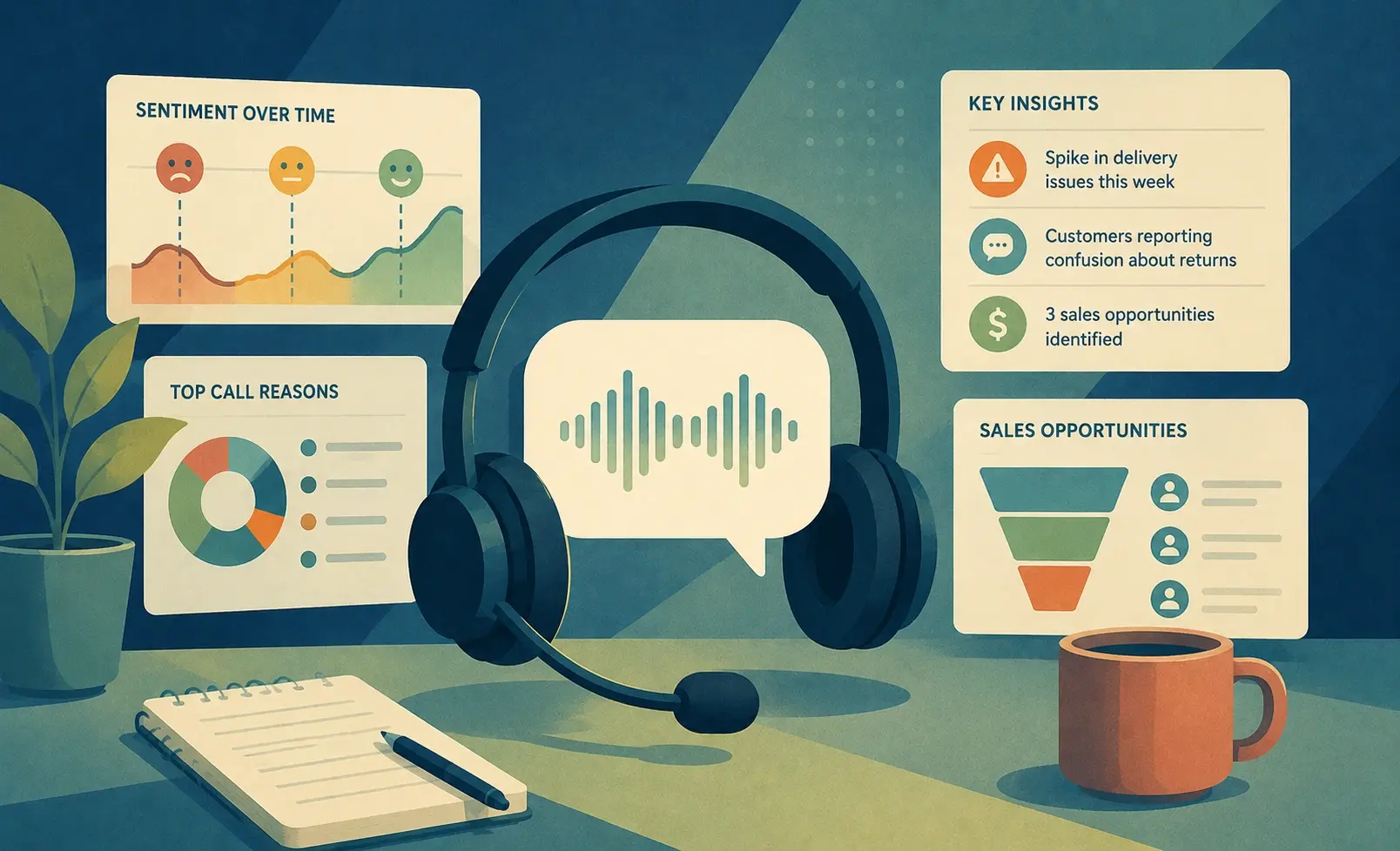
In today's fast-paced business environment, delivering exceptional customer service is paramount. This article explores the best customer service experience examples through the lens of AI coaching, highlighting real scenarios where AI-powered tools enhance team performance and customer satisfaction. By utilizing AI-driven call analytics, organizations can automatically evaluate customer interactions, uncover insights, and provide personalized coaching recommendations. These real-time evaluations not only identify areas for improvement but also empower agents to refine their skills, ensuring every customer interaction is optimized for success. As we delve into specific examples, we'll illustrate how AI can transform customer service teams, ultimately driving revenue and improving service quality across various industries.
Best Customer Service Experience Examples: AI Coaching Based on Real Scenarios
Best customer service experience examples: AI coaching based on real scenarios
In the realm of customer service, the integration of AI coaching tools has revolutionized how teams interact with customers, leading to enhanced experiences and improved performance. By leveraging AI-powered call analytics, organizations can automatically evaluate customer interactions, uncover actionable insights, and provide personalized coaching recommendations. This approach not only identifies areas for improvement but also empowers agents to refine their skills in real-time, ensuring that every customer interaction is optimized for success. Below, we explore some of the best customer service experience examples that illustrate the transformative power of AI coaching based on real scenarios.
One notable example is the use of AI-powered call evaluation to enhance agent performance. With Insight7’s capabilities, customer-facing teams can automatically evaluate 100% of their calls, scoring interactions against custom quality criteria. This process includes detecting sentiment, empathy, and resolution effectiveness. For instance, a customer service representative handling a complaint can receive immediate feedback on their tone and empathy levels, allowing them to adjust their approach in future interactions. This real-time coaching fosters a culture of continuous improvement, where agents feel supported and equipped to handle challenging situations effectively.
Another compelling scenario involves the identification of upsell opportunities through AI-driven insights. By analyzing customer conversations, AI can detect moments where a customer expresses interest in additional products or services. For example, during a support call, if a customer mentions a need for a specific feature that is part of a premium offering, the AI can flag this moment for the agent. With this information, agents can be coached on how to approach upselling in a way that feels natural and beneficial to the customer, ultimately driving revenue while enhancing customer satisfaction.
AI coaching also plays a crucial role in addressing recurring customer pain points. By utilizing CX intelligence, organizations can uncover trends in customer sentiment and identify common issues that lead to dissatisfaction. For example, if multiple customers express frustration over a specific product feature during calls, the AI can highlight this trend to management. Armed with this knowledge, leaders can implement targeted training programs for agents, focusing on how to address these concerns effectively. This proactive approach not only improves service quality but also demonstrates to customers that their feedback is valued and acted upon.
Moreover, the ability to track agent performance over time is a significant advantage of AI coaching. With performance dashboards, leaders can visualize trends across agents and teams, identifying skill gaps and areas for targeted coaching. For instance, if data shows that a particular agent struggles with conflict resolution, managers can provide personalized coaching recommendations based on real interactions. This tailored approach ensures that each agent receives the support they need to excel in their roles, fostering a more competent and confident customer service team.
Finally, the multilingual support offered by AI-powered call analytics is a game-changer for global organizations. By evaluating conversations in various languages, companies can ensure consistent quality across different markets. This capability allows teams to identify cultural nuances and adapt their coaching strategies accordingly. For example, an agent working in a market with a high demand for personalized service can be coached on how to enhance their empathetic responses, ultimately leading to improved customer experiences.
In conclusion, the best customer service experience examples demonstrate the profound impact of AI coaching based on real scenarios. By automating call evaluations, identifying upsell opportunities, addressing customer pain points, tracking performance, and offering multilingual support, organizations can transform their customer service teams into high-performing units. This not only drives revenue growth but also cultivates a culture of excellence where every customer interaction is viewed as an opportunity for improvement and connection. As AI continues to evolve, its role in enhancing customer service will only become more critical, paving the way for a future where exceptional customer experiences are the norm.
Comparison Table
In the realm of customer service, AI coaching tools have transformed how teams interact with customers, leading to enhanced experiences and improved performance. By leveraging AI-powered call analytics, organizations can automatically evaluate customer interactions, uncover actionable insights, and provide personalized coaching recommendations. This approach not only identifies areas for improvement but also empowers agents to refine their skills in real-time, ensuring that every customer interaction is optimized for success.
One notable example is the use of AI-powered call evaluation to enhance agent performance. With Insight7’s capabilities, customer-facing teams can automatically evaluate 100% of their calls, scoring interactions against custom quality criteria. This process includes detecting sentiment, empathy, and resolution effectiveness. For instance, a customer service representative handling a complaint can receive immediate feedback on their tone and empathy levels, allowing them to adjust their approach in future interactions. This real-time coaching fosters a culture of continuous improvement, where agents feel supported and equipped to handle challenging situations effectively.
Another compelling scenario involves the identification of upsell opportunities through AI-driven insights. By analyzing customer conversations, AI can detect moments where a customer expresses interest in additional products or services. For example, during a support call, if a customer mentions a need for a specific feature that is part of a premium offering, the AI can flag this moment for the agent. With this information, agents can be coached on how to approach upselling in a way that feels natural and beneficial to the customer, ultimately driving revenue while enhancing customer satisfaction.
AI coaching also plays a crucial role in addressing recurring customer pain points. By utilizing CX intelligence, organizations can uncover trends in customer sentiment and identify common issues that lead to dissatisfaction. For example, if multiple customers express frustration over a specific product feature during calls, the AI can highlight this trend to management. Armed with this knowledge, leaders can implement targeted training programs for agents, focusing on how to address these concerns effectively. This proactive approach not only improves service quality but also demonstrates to customers that their feedback is valued and acted upon.
Moreover, the ability to track agent performance over time is a significant advantage of AI coaching. With performance dashboards, leaders can visualize trends across agents and teams, identifying skill gaps and areas for targeted coaching. For instance, if data shows that a particular agent struggles with conflict resolution, managers can provide personalized coaching recommendations based on real interactions. This tailored approach ensures that each agent receives the support they need to excel in their roles, fostering a more competent and confident customer service team.
Finally, the multilingual support offered by AI-powered call analytics is a game-changer for global organizations. By evaluating conversations in various languages, companies can ensure consistent quality across different markets. This capability allows teams to identify cultural nuances and adapt their coaching strategies accordingly. For example, an agent working in a market with a high demand for personalized service can be coached on how to enhance their empathetic responses, ultimately leading to improved customer experiences.
In conclusion, the best customer service experience examples demonstrate the profound impact of AI coaching based on real scenarios. By automating call evaluations, identifying upsell opportunities, addressing customer pain points, tracking performance, and offering multilingual support, organizations can transform their customer service teams into high-performing units. This not only drives revenue growth but also cultivates a culture of excellence where every customer interaction is viewed as an opportunity for improvement and connection. As AI continues to evolve, its role in enhancing customer service will only become more critical, paving the way for a future where exceptional customer experiences are the norm.
Selection Criteria
In the realm of customer service, AI coaching tools have revolutionized how teams engage with customers, leading to enhanced experiences and improved performance. By leveraging AI-powered call analytics, organizations can automatically evaluate customer interactions, uncover actionable insights, and provide personalized coaching recommendations. This approach not only identifies areas for improvement but also empowers agents to refine their skills in real-time, ensuring that every customer interaction is optimized for success.
One notable example is the use of AI-powered call evaluation to enhance agent performance. With Insight7’s capabilities, customer-facing teams can automatically evaluate 100% of their calls, scoring interactions against custom quality criteria. This process includes detecting sentiment, empathy, and resolution effectiveness. For instance, a customer service representative handling a complaint can receive immediate feedback on their tone and empathy levels, allowing them to adjust their approach in future interactions. This real-time coaching fosters a culture of continuous improvement, where agents feel supported and equipped to handle challenging situations effectively.
Another compelling scenario involves the identification of upsell opportunities through AI-driven insights. By analyzing customer conversations, AI can detect moments where a customer expresses interest in additional products or services. For example, during a support call, if a customer mentions a need for a specific feature that is part of a premium offering, the AI can flag this moment for the agent. With this information, agents can be coached on how to approach upselling in a way that feels natural and beneficial to the customer, ultimately driving revenue while enhancing customer satisfaction.
AI coaching also plays a crucial role in addressing recurring customer pain points. By utilizing CX intelligence, organizations can uncover trends in customer sentiment and identify common issues that lead to dissatisfaction. For example, if multiple customers express frustration over a specific product feature during calls, the AI can highlight this trend to management. Armed with this knowledge, leaders can implement targeted training programs for agents, focusing on how to address these concerns effectively. This proactive approach not only improves service quality but also demonstrates to customers that their feedback is valued and acted upon.
Moreover, the ability to track agent performance over time is a significant advantage of AI coaching. With performance dashboards, leaders can visualize trends across agents and teams, identifying skill gaps and areas for targeted coaching. For instance, if data shows that a particular agent struggles with conflict resolution, managers can provide personalized coaching recommendations based on real interactions. This tailored approach ensures that each agent receives the support they need to excel in their roles, fostering a more competent and confident customer service team.
Finally, the multilingual support offered by AI-powered call analytics is a game-changer for global organizations. By evaluating conversations in various languages, companies can ensure consistent quality across different markets. This capability allows teams to identify cultural nuances and adapt their coaching strategies accordingly. For example, an agent working in a market with a high demand for personalized service can be coached on how to enhance their empathetic responses, ultimately leading to improved customer experiences.
In conclusion, the best customer service experience examples demonstrate the profound impact of AI coaching based on real scenarios. By automating call evaluations, identifying upsell opportunities, addressing customer pain points, tracking performance, and offering multilingual support, organizations can transform their customer service teams into high-performing units. This not only drives revenue growth but also cultivates a culture of excellence where every customer interaction is viewed as an opportunity for improvement and connection. As AI continues to evolve, its role in enhancing customer service will only become more critical, paving the way for a future where exceptional customer experiences are the norm.
Implementation Guide
Implementing AI coaching in customer service can significantly enhance the customer experience by leveraging real scenarios for training and development. One effective approach is utilizing AI-powered call analytics, such as those offered by Insight7, which automatically evaluates customer interactions to provide actionable insights. For instance, AI can analyze calls to detect sentiment and empathy, helping agents adjust their responses in real-time. This not only improves individual performance but also fosters a culture of continuous learning.
Another key aspect is identifying upsell opportunities during conversations. By analyzing customer needs expressed in real-time, AI can guide agents on how to present additional services or products seamlessly. Furthermore, addressing recurring customer pain points through CX intelligence allows organizations to refine their service processes, ensuring that agents are equipped to handle common issues effectively. By tracking agent performance and providing personalized coaching recommendations, AI coaching transforms customer service interactions into opportunities for growth and improvement.
Frequently Asked Questions
Frequently Asked Questions
Q: What are some examples of AI coaching in customer service?
A: AI coaching in customer service includes using AI-powered call analytics to evaluate interactions, detect sentiment, and provide real-time feedback to agents, enhancing their performance and customer engagement.
Q: How does AI improve customer service interactions?
A: AI improves customer service by automatically evaluating calls for quality, identifying upsell opportunities, and uncovering recurring customer pain points, allowing agents to refine their skills and enhance customer satisfaction.
Q: Can AI coaching help with multilingual support?
A: Yes, AI coaching can evaluate customer interactions in various languages, ensuring consistent service quality across different markets and helping agents adapt their approaches to cultural nuances.
Q: How does AI track agent performance?
A: AI tracks agent performance through performance dashboards that visualize trends, identify skill gaps, and provide personalized coaching recommendations based on real interactions.
Q: What benefits does AI coaching offer to customer service teams?
A: AI coaching fosters a culture of continuous improvement, drives revenue growth through upselling, and equips agents with the tools they need to handle customer interactions effectively, ultimately enhancing the overall customer experience.