Improving call center customer service professionalism under stress is essential for maintaining high-quality interactions and customer satisfaction. Key strategies include implementing AI-powered call analytics to evaluate agent performance, providing targeted coaching based on real conversations, and fostering a supportive work environment that encourages resilience. By utilizing tools that detect sentiment and empathy, call centers can better understand customer needs and enhance agent training programs. Additionally, promoting effective communication and stress management techniques among staff can significantly reduce pressure during high-stress situations. This article will delve into practical methods for enhancing professionalism in call centers, ensuring that agents remain composed and effective, even in challenging circumstances.
Essential Strategies for Enhancing Call Center Professionalism Under Stress
Enhancing call center customer service professionalism under stress is crucial for maintaining high-quality interactions and ensuring customer satisfaction. Key strategies include leveraging AI-powered call analytics for performance evaluation, providing targeted coaching based on real conversations, and fostering a supportive work environment that promotes resilience. By utilizing tools that detect sentiment and empathy, call centers can better understand customer needs and enhance agent training programs. Additionally, promoting effective communication and stress management techniques among staff can significantly reduce pressure during high-stress situations.
In the fast-paced world of call centers, agents often face high-stress scenarios that can impact their professionalism and the quality of customer interactions. To improve customer service professionalism under stress, organizations should implement several essential strategies.
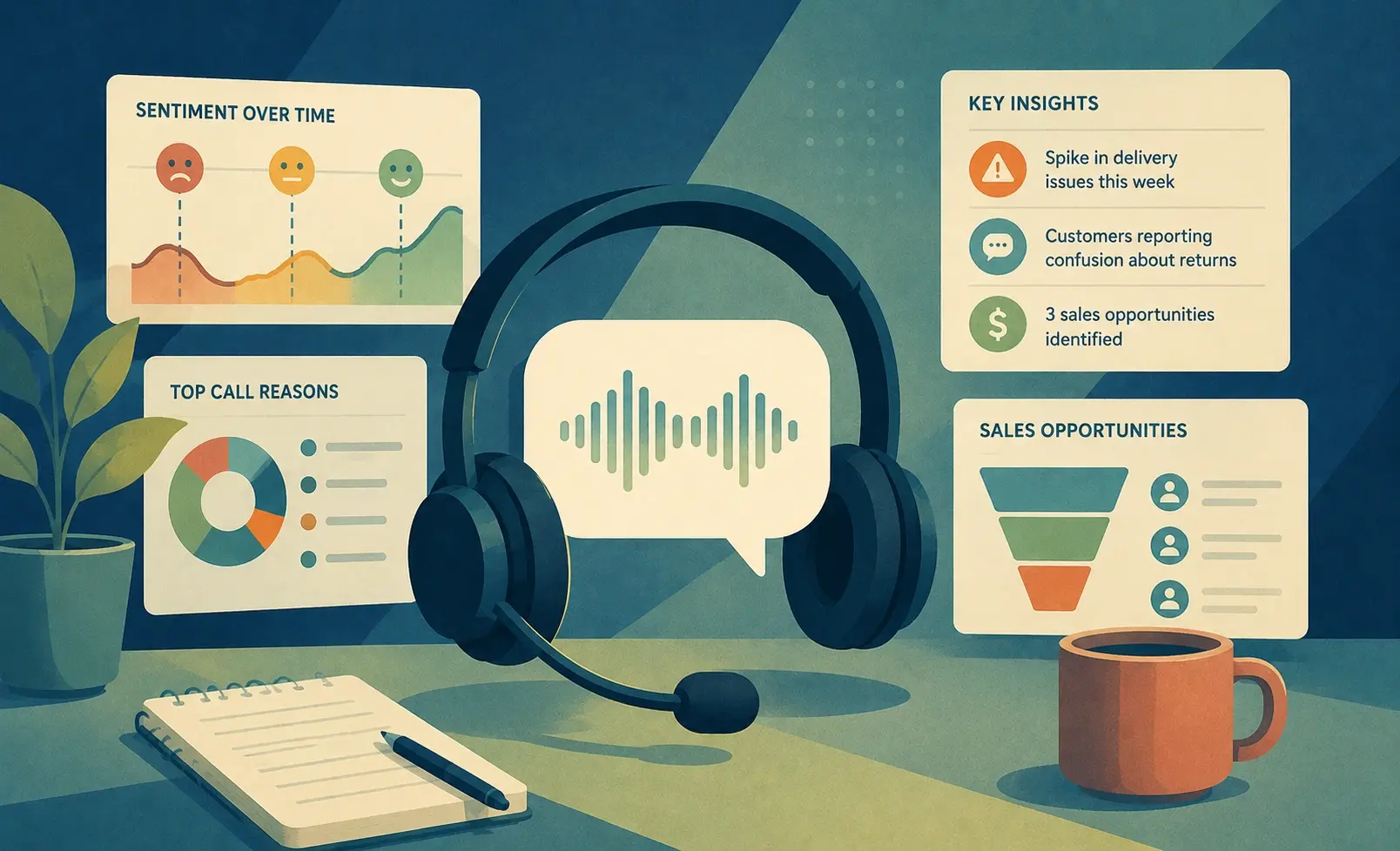
One of the most effective ways to enhance professionalism is through the use of AI-powered call analytics. By automatically evaluating 100% of customer calls, these platforms can score interactions against custom quality criteria, detecting sentiment, empathy, and resolution effectiveness. This data provides valuable insights into agent performance, allowing leaders to identify trends and coach team members effectively. With continuous monitoring, agents can receive personalized feedback that helps them improve their skills over time.
Coaching and performance management are also critical components of maintaining professionalism under stress. By generating actionable coaching insights from real conversations, organizations can track agent performance and identify skill gaps. This targeted approach not only helps agents improve their interactions but also fosters a culture of continuous learning and development. Regular feedback sessions can empower agents to handle stressful situations more effectively, ensuring they remain composed and professional.
Furthermore, understanding customer experience (CX) intelligence is vital for improving service quality. By uncovering recurring customer pain points and sentiment trends, call centers can identify drivers of satisfaction and escalation. This knowledge allows agents to address customer concerns proactively, reducing the likelihood of stressful interactions. Real-time detection of upsell and cross-sell opportunities during support interactions can also enhance the overall customer experience, leading to increased satisfaction and loyalty.
Creating a supportive work environment is another essential strategy for enhancing professionalism under stress. Encouraging open communication among team members fosters a sense of camaraderie and support, which can alleviate stress during challenging situations. Implementing stress management techniques, such as mindfulness practices or regular breaks, can help agents recharge and maintain focus. A positive work culture that recognizes and rewards professionalism can motivate agents to perform at their best, even under pressure.
Moreover, training programs should incorporate stress management and communication skills to equip agents with the tools they need to handle difficult interactions. Role-playing exercises can simulate high-stress scenarios, allowing agents to practice their responses and develop their emotional intelligence. By building resilience and adaptability, agents can navigate stressful situations with confidence and professionalism.
In summary, improving call center customer service professionalism under stress involves a multifaceted approach that includes leveraging AI-powered analytics, providing targeted coaching, fostering a supportive work environment, and enhancing training programs. By implementing these strategies, organizations can ensure that their agents remain composed and effective, ultimately leading to higher customer satisfaction and loyalty.
Comparison Table
Comparison Table
| Strategy | Description | Benefits |
|---|---|---|
| AI-Powered Call Analytics | Automatically evaluates 100% of customer calls for sentiment, empathy, and resolution effectiveness. | Provides unbiased insights, identifies trends, and enhances coaching opportunities. |
| Coaching & Performance Management | Generates actionable insights from real conversations to track agent performance and identify skill gaps. | Empowers agents through personalized feedback, fostering continuous improvement and resilience. |
| CX Intelligence | Uncovers recurring customer pain points and sentiment trends to refine service processes. | Enhances customer satisfaction by proactively addressing concerns and identifying upsell opportunities. |
| Supportive Work Environment | Encourages open communication and implements stress management techniques. | Reduces stress levels, promotes teamwork, and motivates agents to maintain professionalism under pressure. |
| Training Programs | Incorporates stress management and communication skills through role-playing exercises. | Equips agents with tools to handle difficult interactions, enhancing emotional intelligence and adaptability. |
Selection Criteria
To improve call center customer service professionalism under stress, organizations should adopt a multifaceted approach that leverages AI-powered analytics, enhances coaching and performance management, fosters a supportive work environment, and incorporates effective training programs. By utilizing AI to evaluate customer interactions, leaders can gain valuable insights into agent performance, allowing for targeted coaching that empowers agents to handle high-pressure situations effectively. Additionally, creating a positive work culture that encourages open communication and implements stress management techniques can significantly reduce stress levels among agents. Training programs that focus on emotional intelligence and role-playing exercises further equip agents with the skills necessary to maintain professionalism, ultimately leading to improved customer satisfaction and loyalty.
In the fast-paced environment of call centers, agents often encounter high-stress scenarios that can affect their professionalism and the quality of customer interactions. To address these challenges, organizations should implement several key strategies.
One of the most effective methods is leveraging AI-powered call analytics. By automatically evaluating all customer calls, these platforms can assess interactions based on custom quality criteria, detecting sentiment, empathy, and resolution effectiveness. This data provides leaders with insights into agent performance, enabling them to identify trends and coach team members effectively. Continuous monitoring allows agents to receive personalized feedback, fostering skill improvement over time.
Coaching and performance management are also critical for maintaining professionalism under stress. By generating actionable coaching insights from real conversations, organizations can track agent performance and identify skill gaps. This targeted approach not only aids in improving agent interactions but also cultivates a culture of continuous learning and development. Regular feedback sessions empower agents to handle stressful situations more effectively, ensuring they remain composed and professional.
Understanding customer experience (CX) intelligence is vital for enhancing service quality. By uncovering recurring customer pain points and sentiment trends, call centers can identify drivers of satisfaction and escalation. This knowledge enables agents to proactively address customer concerns, reducing the likelihood of stressful interactions. Real-time detection of upsell and cross-sell opportunities during support interactions can also enhance the overall customer experience, leading to increased satisfaction and loyalty.
Creating a supportive work environment is essential for enhancing professionalism under stress. Encouraging open communication among team members fosters camaraderie and support, alleviating stress during challenging situations. Implementing stress management techniques, such as mindfulness practices or regular breaks, helps agents recharge and maintain focus. A positive work culture that recognizes and rewards professionalism motivates agents to perform at their best, even under pressure.
Moreover, training programs should incorporate stress management and communication skills to equip agents with the necessary tools to handle difficult interactions. Role-playing exercises can simulate high-stress scenarios, allowing agents to practice their responses and develop their emotional intelligence. By building resilience and adaptability, agents can navigate stressful situations with confidence and professionalism.
In summary, improving call center customer service professionalism under stress involves a comprehensive approach that includes leveraging AI-powered analytics, providing targeted coaching, fostering a supportive work environment, and enhancing training programs. By implementing these strategies, organizations can ensure that their agents remain composed and effective, ultimately leading to higher customer satisfaction and loyalty.
Implementation Guide
To improve call center customer service professionalism under stress, organizations should adopt a multifaceted approach that leverages AI-powered analytics, enhances coaching and performance management, fosters a supportive work environment, and incorporates effective training programs. By utilizing AI to evaluate customer interactions, leaders can gain valuable insights into agent performance, allowing for targeted coaching that empowers agents to handle high-pressure situations effectively. Additionally, creating a positive work culture that encourages open communication and implements stress management techniques can significantly reduce stress levels among agents. Training programs that focus on emotional intelligence and role-playing exercises further equip agents with the skills necessary to maintain professionalism, ultimately leading to improved customer satisfaction and loyalty.
Implementing AI-powered call analytics is a crucial first step. This technology automatically evaluates all customer calls, assessing interactions based on custom quality criteria, and detecting sentiment, empathy, and resolution effectiveness. By providing leaders with insights into agent performance, organizations can identify trends and coach team members effectively. Continuous monitoring allows agents to receive personalized feedback, fostering skill improvement over time.
Coaching and performance management are also critical for maintaining professionalism under stress. By generating actionable coaching insights from real conversations, organizations can track agent performance and identify skill gaps. This targeted approach not only aids in improving agent interactions but also cultivates a culture of continuous learning and development. Regular feedback sessions empower agents to handle stressful situations more effectively, ensuring they remain composed and professional.
Understanding customer experience (CX) intelligence is vital for enhancing service quality. By uncovering recurring customer pain points and sentiment trends, call centers can identify drivers of satisfaction and escalation. This knowledge enables agents to proactively address customer concerns, reducing the likelihood of stressful interactions. Real-time detection of upsell and cross-sell opportunities during support interactions can also enhance the overall customer experience, leading to increased satisfaction and loyalty.
Creating a supportive work environment is essential for enhancing professionalism under stress. Encouraging open communication among team members fosters camaraderie and support, alleviating stress during challenging situations. Implementing stress management techniques, such as mindfulness practices or regular breaks, helps agents recharge and maintain focus. A positive work culture that recognizes and rewards professionalism motivates agents to perform at their best, even under pressure.
Moreover, training programs should incorporate stress management and communication skills to equip agents with the necessary tools to handle difficult interactions. Role-playing exercises can simulate high-stress scenarios, allowing agents to practice their responses and develop their emotional intelligence. By building resilience and adaptability, agents can navigate stressful situations with confidence and professionalism.
In summary, improving call center customer service professionalism under stress involves a comprehensive approach that includes leveraging AI-powered analytics, providing targeted coaching, fostering a supportive work environment, and enhancing training programs. By implementing these strategies, organizations can ensure that their agents remain composed and effective, ultimately leading to higher customer satisfaction and loyalty.
Frequently Asked Questions
Frequently Asked Questions
Q: What are effective strategies to improve call center customer service professionalism under stress?
A: Leveraging AI-powered analytics, enhancing coaching programs, fostering a supportive work environment, and implementing stress management techniques are key strategies to improve professionalism in high-pressure situations.
Q: How can AI-powered call analytics help in stressful situations?
A: AI-powered call analytics automatically evaluate customer interactions, providing insights into agent performance and identifying areas for improvement, which helps agents manage stress more effectively.
Q: What role does coaching play in maintaining professionalism?
A: Coaching provides actionable insights from real conversations, enabling agents to receive personalized feedback and develop skills necessary to navigate stressful interactions confidently.
Q: How can a supportive work environment impact call center agents?
A: A supportive work environment encourages open communication and camaraderie, which can alleviate stress and enhance professionalism during challenging customer interactions.
Q: What training methods can help agents handle stress better?
A: Training methods such as role-playing exercises and emotional intelligence development equip agents with the skills to maintain professionalism, even in high-stress scenarios.