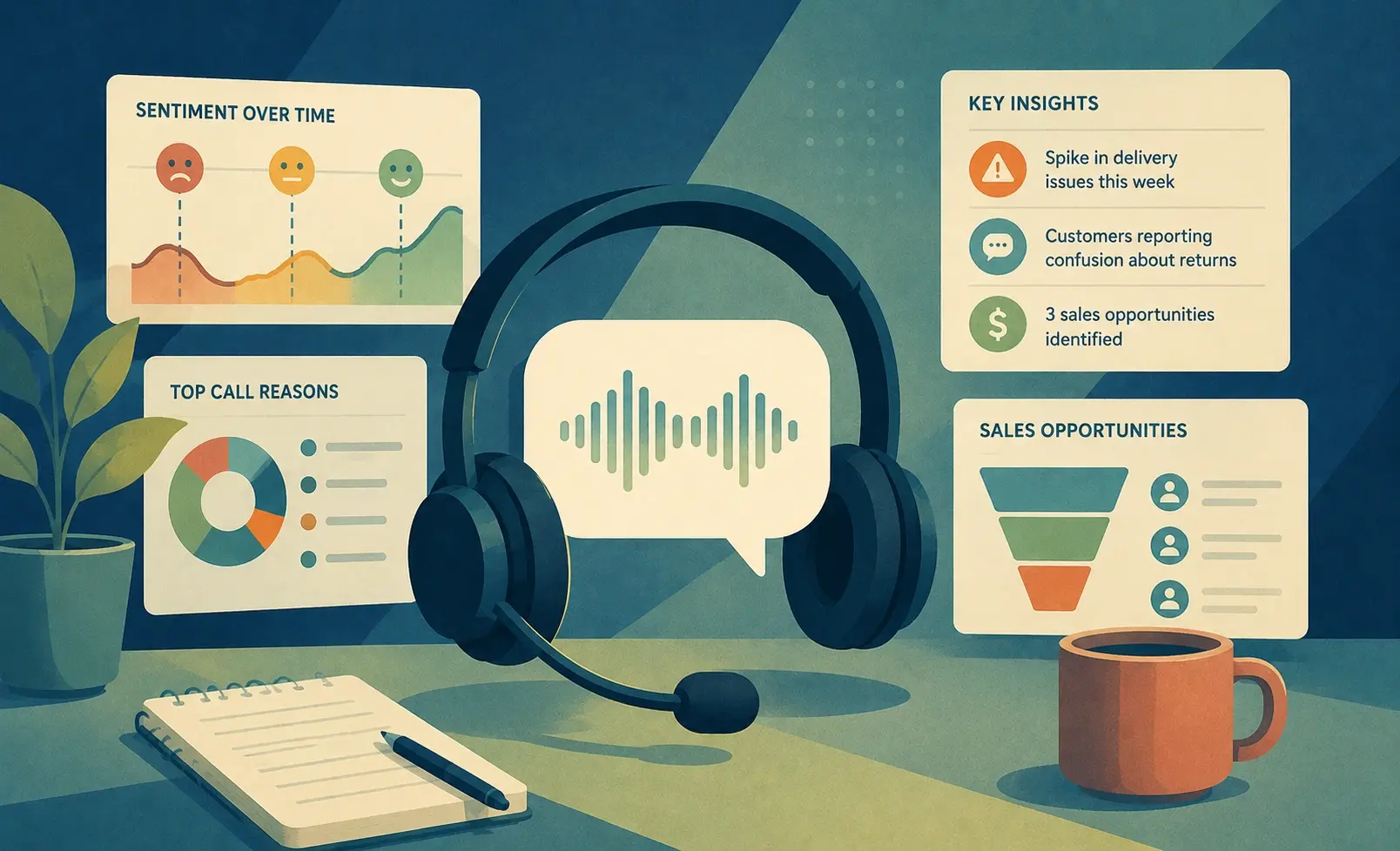
In today's fast-paced business environment, maintaining the skills of call center representatives during technical failures is crucial for ensuring uninterrupted customer service. AI plays a pivotal role in this process by providing real-time support and analytics that help agents adapt and improve even when systems are down. By automatically evaluating calls, detecting sentiment, and offering personalized coaching insights, AI empowers representatives to enhance their communication skills and emotional intelligence. This not only helps them manage customer interactions effectively during outages but also fosters continuous learning and development. As a result, AI serves as a valuable ally, transforming challenges into opportunities for growth and ensuring that call center teams remain resilient and effective, regardless of technical disruptions.
AI Tools for Maintaining Call Center Skills During Technical Failures
AI plays a transformative role in maintaining call center representative skills during technical failures by providing essential support and analytics that empower agents to adapt and improve. During outages, AI tools can automatically evaluate calls, detect sentiment, and offer personalized coaching insights, ensuring that representatives can effectively manage customer interactions even when systems are down. This continuous feedback loop fosters an environment of ongoing learning and development, allowing agents to enhance their communication skills and emotional intelligence. As a result, AI not only helps call center teams navigate challenges but also turns potential disruptions into opportunities for growth, ensuring resilience and effectiveness in customer service.
When technical failures occur, call center representatives often face significant challenges in delivering quality service. AI tools, such as Insight7's AI-powered call analytics platform, automatically evaluate 100% of customer calls, scoring interactions against custom quality criteria. This capability allows agents to receive immediate feedback on their performance, focusing on critical aspects like tone, empathy, and resolution effectiveness. By providing consistent and unbiased quality assurance insights, AI helps representatives maintain their skills and adapt their approaches in real time.
Moreover, AI's ability to detect sentiment and emotional cues during calls is invaluable during technical disruptions. Understanding customer emotions allows agents to respond with empathy and reassurance, which is crucial when customers may be frustrated or confused due to service interruptions. Insight7's customer sentiment detection feature enables agents to gauge satisfaction levels and adjust their communication accordingly, ensuring that customer needs are met even in challenging circumstances.
AI also plays a vital role in coaching and performance management. By generating actionable coaching insights from real conversations, AI helps identify skill gaps and suggests targeted recommendations for improvement. This personalized coaching approach allows representatives to focus on specific areas for development, enhancing their overall performance and confidence. Continuous monitoring of quality and compliance ensures that agents remain aligned with best practices, even during technical failures.
In addition to real-time support, AI tools can help uncover recurring customer pain points and sentiment trends. By analyzing data from previous interactions, AI identifies common issues that may arise during outages, enabling teams to proactively address these challenges. This intelligence not only improves the immediate customer experience but also informs long-term service process refinements, leading to enhanced outcomes.
The multilingual support offered by AI platforms like Insight7 ensures that global teams can maintain their skills and service quality, regardless of language barriers. This capability is particularly important in diverse customer environments, where representatives may need to communicate effectively with clients from various linguistic backgrounds.
In summary, AI serves as a crucial ally for call center representatives during technical failures by providing real-time analytics, personalized coaching, and insights that enhance communication skills and emotional intelligence. By leveraging AI tools, call centers can ensure that their teams remain resilient and effective, turning challenges into opportunities for growth and maintaining high standards of customer service.
Comparison Table
AI plays a crucial role in maintaining call center representative skills during technical failures by providing real-time support, analytics, and coaching. When technical disruptions occur, AI tools like Insight7 automatically evaluate calls, scoring interactions based on custom quality criteria. This immediate feedback allows agents to focus on essential aspects such as tone, empathy, and resolution effectiveness, ensuring they can adapt their approaches even in challenging situations.
Additionally, AI's ability to detect sentiment during calls is invaluable, enabling representatives to respond empathetically to frustrated customers. Insight7's sentiment detection feature helps agents gauge customer emotions, allowing them to adjust their communication accordingly. This fosters a supportive environment, even during outages.
Moreover, AI enhances coaching and performance management by generating actionable insights from real conversations. It identifies skill gaps and provides targeted recommendations for improvement, helping representatives develop their skills continuously. With ongoing monitoring of quality and compliance, agents remain aligned with best practices, ensuring consistent service quality.
AI also uncovers recurring customer pain points and sentiment trends, allowing teams to proactively address challenges that may arise during outages. This intelligence not only improves immediate customer experiences but also informs long-term service refinements.
Finally, the multilingual support offered by AI platforms ensures that global teams can maintain service quality across diverse linguistic backgrounds. By leveraging AI tools, call centers can turn technical failures into opportunities for growth, ensuring their teams remain resilient and effective in delivering high-quality customer service.
Selection Criteria
AI plays a transformative role in maintaining call center representative skills during technical failures by providing essential support and analytics that empower agents to adapt and improve. During outages, AI tools can automatically evaluate calls, detect sentiment, and offer personalized coaching insights, ensuring that representatives can effectively manage customer interactions even when systems are down. This continuous feedback loop fosters an environment of ongoing learning and development, allowing agents to enhance their communication skills and emotional intelligence. As a result, AI not only helps call center teams navigate challenges but also turns potential disruptions into opportunities for growth, ensuring resilience and effectiveness in customer service.
AI tools like Insight7 automatically evaluate 100% of customer calls, scoring interactions based on custom quality criteria. This immediate feedback allows agents to focus on essential aspects such as tone, empathy, and resolution effectiveness, ensuring they can adapt their approaches even in challenging situations. Additionally, AI's ability to detect sentiment during calls enables representatives to respond empathetically to frustrated customers, fostering a supportive environment even during outages.
Moreover, AI enhances coaching and performance management by generating actionable insights from real conversations. It identifies skill gaps and provides targeted recommendations for improvement, helping representatives develop their skills continuously. With ongoing monitoring of quality and compliance, agents remain aligned with best practices, ensuring consistent service quality.
AI also uncovers recurring customer pain points and sentiment trends, allowing teams to proactively address challenges that may arise during outages. This intelligence not only improves immediate customer experiences but also informs long-term service refinements. Finally, the multilingual support offered by AI platforms ensures that global teams can maintain service quality across diverse linguistic backgrounds. By leveraging AI tools, call centers can turn technical failures into opportunities for growth, ensuring their teams remain resilient and effective in delivering high-quality customer service.
Implementation Guide
AI plays a crucial role in maintaining call center representative skills during technical failures by providing real-time support, analytics, and coaching. When disruptions occur, AI tools like Insight7 automatically evaluate calls, scoring interactions based on custom quality criteria. This immediate feedback allows agents to focus on essential aspects such as tone, empathy, and resolution effectiveness, ensuring they can adapt their approaches even in challenging situations.
Additionally, AI's ability to detect sentiment during calls is invaluable, enabling representatives to respond empathetically to frustrated customers. Insight7's sentiment detection feature helps agents gauge customer emotions, allowing them to adjust their communication accordingly. This fosters a supportive environment, even during outages.
Moreover, AI enhances coaching and performance management by generating actionable insights from real conversations. It identifies skill gaps and provides targeted recommendations for improvement, helping representatives develop their skills continuously. With ongoing monitoring of quality and compliance, agents remain aligned with best practices, ensuring consistent service quality.
AI also uncovers recurring customer pain points and sentiment trends, allowing teams to proactively address challenges that may arise during outages. This intelligence not only improves immediate customer experiences but also informs long-term service refinements. Finally, the multilingual support offered by AI platforms ensures that global teams can maintain service quality across diverse linguistic backgrounds. By leveraging AI tools, call centers can turn technical failures into opportunities for growth, ensuring their teams remain resilient and effective in delivering high-quality customer service.
Frequently Asked Questions
Q: How does AI help maintain call center representative skills during technical failures?
A: AI assists call center representatives during technical failures by providing real-time analytics and feedback, enabling them to adapt their communication strategies effectively. Tools like Insight7 automatically evaluate calls, detect sentiment, and generate actionable coaching insights, ensuring agents can maintain high service quality even in challenging situations.
Q: What specific features of AI support representatives during outages?
A: AI features such as automatic call evaluation, sentiment detection, and personalized coaching recommendations help representatives focus on essential communication aspects like tone and empathy, allowing them to respond appropriately to customer needs during outages.
Q: How does AI enhance coaching and performance management in call centers?
A: AI generates actionable insights from real conversations, identifies skill gaps, and provides targeted recommendations for improvement. This continuous feedback loop helps representatives develop their skills and maintain service quality.
Q: Can AI help identify recurring customer pain points during technical failures?
A: Yes, AI uncovers recurring customer pain points and sentiment trends, allowing teams to proactively address challenges that may arise during outages and improve overall customer experience.
Q: How does multilingual support from AI benefit global call center teams?
A: AI's multilingual support ensures that global teams can maintain service quality across diverse linguistic backgrounds, enabling effective communication with customers regardless of their language preferences.