In today's fast-paced call center environment, effective communication is crucial for delivering exceptional customer service. One key aspect of this is the ability to remove filler words from conversations, which can enhance clarity and professionalism. AI technology plays a pivotal role in this process by automatically evaluating calls, identifying filler words, and providing actionable insights for improvement. By leveraging AI-powered call analytics, customer service teams can refine their communication skills, ensuring that agents convey their messages more effectively. This not only boosts customer satisfaction but also enhances overall service quality. In this article, we will explore how AI can help call center teams eliminate filler words and improve their customer service interactions.
Essential Tools for Removing Filler Words in Call Center Interactions
In the realm of call center customer service, the ability to communicate clearly and effectively is paramount. One significant barrier to this clarity is the presence of filler words—those unnecessary phrases that can detract from the professionalism and impact of a conversation. Fortunately, AI technology offers powerful solutions for identifying and eliminating these filler words, ultimately enhancing the quality of customer interactions. By utilizing AI-powered call analytics, customer service teams can gain insights into their communication patterns, refine their skills, and significantly improve the overall customer experience.
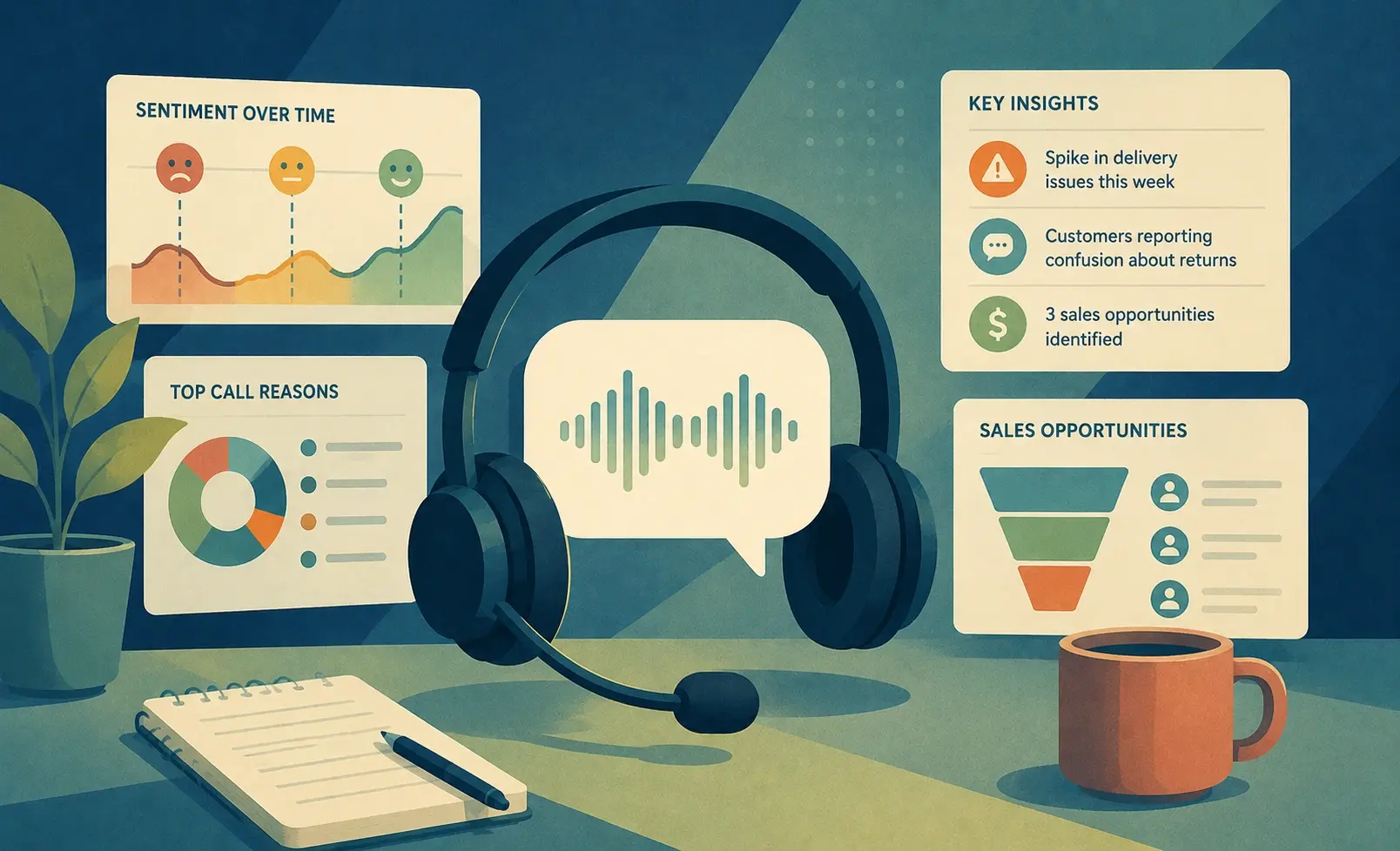
AI-powered call analytics platforms, such as Insight7, automatically evaluate customer interactions, scoring them against custom quality criteria. This includes detecting filler words, assessing tone, and measuring empathy and resolution effectiveness. By analyzing 100% of customer calls, these platforms provide unbiased insights that can help identify trends and areas for improvement. For instance, if an agent frequently uses phrases like "you know" or "um," the AI can flag these instances, allowing managers to coach agents on more effective communication strategies.
The coaching and performance management capabilities of AI tools further enhance their utility in removing filler words. By generating actionable coaching insights from real conversations, these platforms enable managers to track agent performance over time and identify specific skill gaps. For example, if an agent consistently struggles with clarity in their speech, targeted coaching recommendations can be provided to help them practice and refine their communication skills. This personalized feedback is invaluable in fostering a culture of continuous improvement within customer service teams.
Moreover, AI-driven insights can uncover recurring customer pain points and sentiment trends, allowing teams to adjust their communication styles accordingly. Understanding the emotional context of customer interactions is crucial; when agents are aware of how their language affects customer sentiment, they can adapt their approach to foster better relationships. By minimizing filler words, agents can convey confidence and authority, leading to more positive customer experiences.
The integration of AI in call centers not only streamlines the process of identifying filler words but also empowers agents to enhance their communication skills proactively. With performance dashboards that visualize trends across agents and teams, customer service leaders can monitor quality and compliance continuously. This data-driven approach ensures that every interaction is an opportunity for growth and improvement.
In conclusion, the removal of filler words in call center interactions is essential for delivering high-quality customer service. AI technology, such as Insight7's call analytics platform, provides the tools necessary for identifying and addressing these communication barriers. By leveraging AI to evaluate calls, generate coaching insights, and track performance, customer service teams can refine their skills and enhance the overall customer experience. As a result, organizations can foster a culture of excellence that not only meets but exceeds customer expectations.
Comparison Table
In today's competitive call center landscape, effective communication is essential for delivering exceptional customer service. One significant barrier to this clarity is the use of filler words, which can detract from the professionalism and impact of conversations. AI technology, particularly through platforms like Insight7, plays a crucial role in identifying and eliminating these filler words. By automatically evaluating customer interactions, AI can flag unnecessary phrases, assess tone, and measure empathy, providing actionable insights for improvement. This not only enhances the clarity of communication but also boosts overall service quality, leading to higher customer satisfaction. In this article, we will explore how AI can help call center teams refine their communication skills by effectively removing filler words from their interactions.
AI-powered call analytics platforms evaluate 100% of customer calls against custom quality criteria, delivering unbiased insights that highlight trends and areas for improvement. For instance, if an agent frequently uses phrases like "you know" or "um," the AI can flag these instances, allowing managers to coach agents on more effective communication strategies. The coaching capabilities of AI tools further enhance their utility in this area, enabling managers to track agent performance over time and identify specific skill gaps. By providing personalized feedback, these platforms foster a culture of continuous improvement within customer service teams.
Moreover, AI-driven insights can uncover recurring customer pain points and sentiment trends, allowing teams to adjust their communication styles accordingly. Understanding the emotional context of customer interactions is crucial; when agents are aware of how their language affects customer sentiment, they can adapt their approach to foster better relationships. By minimizing filler words, agents can convey confidence and authority, leading to more positive customer experiences.
The integration of AI in call centers not only streamlines the process of identifying filler words but also empowers agents to enhance their communication skills proactively. With performance dashboards that visualize trends across agents and teams, customer service leaders can monitor quality and compliance continuously. This data-driven approach ensures that every interaction is an opportunity for growth and improvement.
In conclusion, the removal of filler words in call center interactions is essential for delivering high-quality customer service. AI technology, such as Insight7's call analytics platform, provides the tools necessary for identifying and addressing these communication barriers. By leveraging AI to evaluate calls, generate coaching insights, and track performance, customer service teams can refine their skills and enhance the overall customer experience. As a result, organizations can foster a culture of excellence that not only meets but exceeds customer expectations.
Selection Criteria
Selection Criteria
When evaluating call center customer service skills, particularly in the context of removing filler words, AI technology plays a pivotal role. The primary selection criteria should include the ability to automatically evaluate and score customer interactions against custom quality standards. This includes detecting filler words, assessing tone, and measuring empathy and resolution effectiveness. Additionally, the platform should provide actionable coaching insights to help agents refine their communication skills. Continuous monitoring of agent performance and identifying skill gaps are essential for ongoing improvement. Moreover, the system should offer multilingual support to accommodate diverse customer bases. Ultimately, the goal is to enhance clarity in communication, foster positive customer experiences, and drive overall service quality through data-driven insights.
Implementation Guide
Implementation Guide
To effectively leverage AI for removing filler words in call center interactions, start by integrating an AI-powered call analytics platform like Insight7. This platform automatically evaluates 100% of customer calls, scoring interactions against custom quality criteria to identify filler words. Utilize the AI's coaching capabilities to provide agents with personalized feedback on their speech patterns, helping them recognize and reduce the use of phrases like "um" or "you know."
Encourage continuous learning by tracking agent performance over time, identifying skill gaps, and suggesting targeted coaching recommendations. Implement regular training sessions where agents can practice refined communication techniques, using insights from AI evaluations to enhance their skills. By fostering a culture of improvement and utilizing AI-driven insights, call center teams can significantly enhance communication clarity and overall service quality.
Frequently Asked Questions
Q: What are filler words and why should they be removed in call center conversations?
A: Filler words, such as "um," "like," and "you know," can detract from the clarity and professionalism of customer interactions. Removing them helps improve communication effectiveness and enhances customer satisfaction.
Q: How can AI help in identifying and reducing filler words?
A: AI-powered call analytics platforms, like Insight7, automatically evaluate customer calls and score interactions against custom quality criteria, allowing teams to detect and analyze the use of filler words.
Q: What benefits does removing filler words bring to customer service?
A: Eliminating filler words leads to clearer communication, increased customer trust, and a more professional image for the call center, ultimately enhancing the overall customer experience.
Q: How does Insight7 support coaching for agents to reduce filler words?
A: Insight7 provides actionable coaching insights derived from real conversations, helping agents recognize their speech patterns and offering personalized feedback to improve their communication skills.
Q: Is it possible to track improvements in reducing filler words over time?
A: Yes, Insight7 continuously monitors agent performance, allowing managers to track improvements in communication clarity and identify ongoing skill gaps for further development.