In today's fast-paced customer service environment, call center representatives must master the art of using plain language to enhance communication and foster better customer relationships. By leveraging AI feedback tools, representatives can refine their language skills, ensuring clarity and empathy in every interaction. This article will explore the essential skills needed for effective communication in call centers, the role of AI in providing real-time feedback, and practical strategies for representatives to improve their communication style. As we delve into these topics, we’ll highlight how AI-powered analytics can help identify areas for improvement, enabling agents to deliver exceptional customer experiences while driving business growth. Embracing these skills not only enhances service quality but also builds lasting customer loyalty.
Essential Skills for Call Center Representatives
In the realm of customer service, call center representatives play a crucial role in shaping customer experiences. One of the essential skills for these representatives is the ability to use plain language effectively, which can be significantly enhanced through the integration of AI feedback tools. By leveraging AI-powered analytics, representatives can refine their communication skills, ensuring clarity and empathy in every interaction. This article will explore how using plain language, combined with AI feedback, can lead to improved customer satisfaction and overall service quality.
Using plain language is vital in call centers because it helps eliminate confusion and fosters a more transparent dialogue between representatives and customers. When representatives communicate clearly, customers are more likely to understand the information being conveyed, leading to a more positive experience. AI tools can assist in this process by providing real-time feedback on language use, tone, and clarity. For instance, AI-powered call analytics can evaluate conversations and score interactions against custom quality criteria, helping representatives identify areas where they can improve their language and communication style.
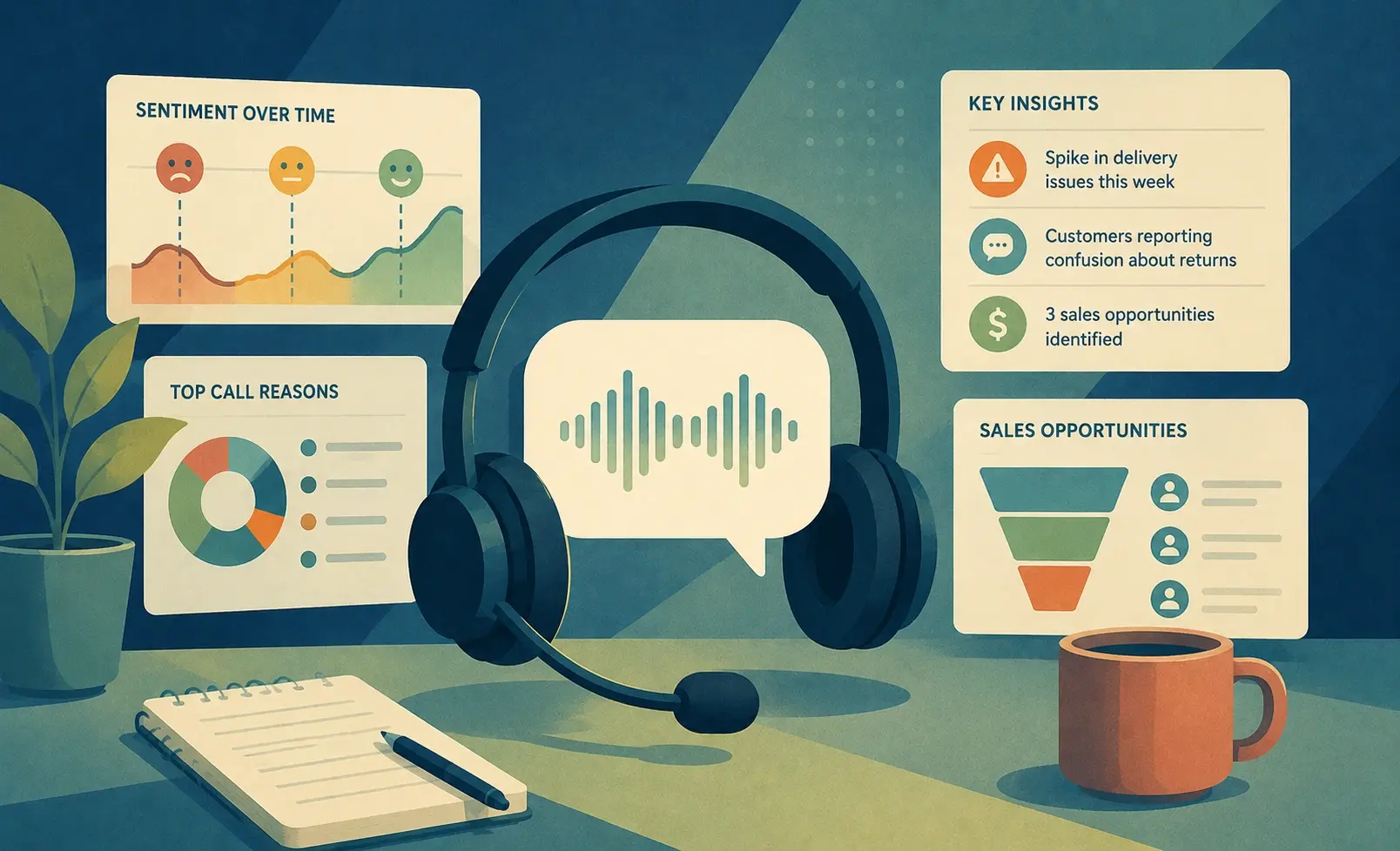
AI feedback can also detect sentiment and empathy levels during customer interactions. By analyzing the emotional tone of conversations, AI can provide insights into how well representatives are connecting with customers. This information is invaluable for training and coaching purposes, as it allows managers to pinpoint specific skill gaps and suggest targeted coaching recommendations. For example, if a representative struggles with conveying empathy, AI tools can highlight these moments, enabling focused training to enhance emotional intelligence and improve customer interactions.
Moreover, AI-driven performance management tools can track agent performance over time, allowing representatives to see their progress and areas for improvement. This continuous feedback loop not only helps agents refine their communication skills but also boosts their confidence in using plain language effectively. With the support of AI, representatives can practice handling various customer scenarios, receiving immediate feedback on their language choices and overall communication effectiveness.
Incorporating AI feedback into training programs can also lead to a more personalized coaching experience. By analyzing real conversations, AI can generate actionable insights tailored to each representative's unique strengths and weaknesses. This personalized approach ensures that training is relevant and impactful, ultimately leading to better customer service outcomes.
Furthermore, the ability to identify upsell and cross-sell opportunities in real time is another advantage of using AI in call centers. By understanding customer needs and preferences through AI analytics, representatives can tailor their language and recommendations accordingly. This not only enhances the customer experience but also drives revenue growth for the business.
In conclusion, the combination of using plain language and AI feedback is essential for call center representatives striving to improve their communication skills. By embracing these tools, representatives can enhance clarity, empathy, and overall service quality, leading to increased customer satisfaction and loyalty. As the customer service landscape continues to evolve, leveraging AI-powered analytics will be key to unlocking the full potential of call center teams, ensuring they deliver exceptional experiences that foster lasting relationships with customers.
Comparison Table
In today's customer service landscape, call center representatives must effectively use plain language to enhance communication and foster positive customer relationships. By integrating AI feedback tools, representatives can refine their language skills, ensuring clarity and empathy in every interaction. This article will explore the essential skills needed for effective communication in call centers, the role of AI in providing real-time feedback, and practical strategies for representatives to improve their communication style. Leveraging AI-powered analytics can help identify areas for improvement, enabling agents to deliver exceptional customer experiences while driving business growth. Embracing these skills not only enhances service quality but also builds lasting customer loyalty.
Call center representatives play a crucial role in shaping customer experiences, and one of their essential skills is the ability to use plain language effectively. This skill can be significantly enhanced through AI feedback tools. By leveraging AI-powered analytics, representatives can refine their communication skills, ensuring clarity and empathy in every interaction. Using plain language is vital in call centers because it helps eliminate confusion and fosters transparent dialogue between representatives and customers. When representatives communicate clearly, customers are more likely to understand the information being conveyed, leading to a more positive experience.
AI tools assist in this process by providing real-time feedback on language use, tone, and clarity. For instance, AI-powered call analytics can evaluate conversations and score interactions against custom quality criteria, helping representatives identify areas for improvement in their language and communication style. Additionally, AI feedback can detect sentiment and empathy levels during customer interactions. By analyzing the emotional tone of conversations, AI provides insights into how well representatives connect with customers, which is invaluable for training and coaching purposes.
Moreover, AI-driven performance management tools can track agent performance over time, allowing representatives to see their progress and areas for improvement. This continuous feedback loop not only helps agents refine their communication skills but also boosts their confidence in using plain language effectively. With AI support, representatives can practice handling various customer scenarios, receiving immediate feedback on their language choices and overall communication effectiveness.
Incorporating AI feedback into training programs can lead to a more personalized coaching experience. By analyzing real conversations, AI generates actionable insights tailored to each representative's unique strengths and weaknesses, ensuring that training is relevant and impactful. Furthermore, the ability to identify upsell and cross-sell opportunities in real time is another advantage of using AI in call centers. By understanding customer needs and preferences through AI analytics, representatives can tailor their language and recommendations accordingly, enhancing the customer experience while driving revenue growth.
In conclusion, the combination of using plain language and AI feedback is essential for call center representatives striving to improve their communication skills. By embracing these tools, representatives can enhance clarity, empathy, and overall service quality, leading to increased customer satisfaction and loyalty. As the customer service landscape continues to evolve, leveraging AI-powered analytics will be key to unlocking the full potential of call center teams, ensuring they deliver exceptional experiences that foster lasting relationships with customers.
Selection Criteria
Selection Criteria
When evaluating call center representatives, the ability to use plain language effectively is paramount. This skill ensures clear communication, reducing misunderstandings and enhancing customer satisfaction. AI feedback tools play a crucial role in this process by providing real-time insights into language use, tone, and clarity. Representatives can leverage AI-powered analytics to identify areas for improvement, allowing them to refine their communication style continuously.
Moreover, AI tools can assess sentiment and empathy levels during interactions, offering actionable coaching insights. This helps representatives connect better with customers, fostering a positive experience. The integration of AI not only enhances the representatives' ability to communicate clearly but also boosts their confidence, ultimately leading to improved service quality and customer loyalty.
Implementation Guide
To effectively implement the use of plain language with AI feedback in call centers, representatives should focus on developing clear communication skills while leveraging AI tools for continuous improvement. Start by training agents to recognize the importance of using simple, straightforward language that resonates with customers. Incorporate AI-powered call analytics to evaluate conversations, providing real-time feedback on tone, clarity, and empathy. This feedback loop will help representatives identify areas for improvement and refine their communication style.
Encourage role-playing exercises where agents can practice various customer scenarios, utilizing AI insights to enhance their responses. Regularly review performance dashboards to track progress and celebrate improvements, fostering a culture of growth. By integrating these strategies, call center teams can enhance service quality, boost customer satisfaction, and drive loyalty through effective communication.
Frequently Asked Questions
Q: What are the essential skills for call center representatives using plain language?
A: Call center representatives should focus on clear communication, empathy, and active listening. Using plain language helps reduce misunderstandings and enhances customer satisfaction.
Q: How does AI feedback improve communication skills in call centers?
A: AI feedback provides real-time insights into language use, tone, and clarity, allowing representatives to identify areas for improvement and refine their communication style continuously.
Q: Why is using plain language important in customer interactions?
A: Using plain language ensures that customers easily understand the information being conveyed, which reduces confusion and fosters a positive experience.
Q: How can AI tools help in assessing call quality?
A: AI tools can automatically evaluate customer calls for tone, empathy, and resolution effectiveness, delivering consistent and unbiased quality assurance insights across teams.
Q: What role does empathy play in call center communication?
A: Empathy helps representatives connect with customers on a personal level, improving the overall customer experience and increasing satisfaction and loyalty.
Q: How can call center teams implement AI feedback effectively?
A: Teams can implement AI feedback by training agents to recognize the importance of plain language, incorporating AI-powered analytics for real-time evaluations, and encouraging role-playing exercises to practice various scenarios.