Improving call center customer service through structured explanations is essential for enhancing customer satisfaction and operational efficiency. By implementing clear communication strategies, training agents to deliver consistent messages, and utilizing AI-powered tools for call evaluation, organizations can significantly elevate the quality of customer interactions. Structured explanations help agents address customer inquiries effectively, reducing frustration and confusion. Additionally, leveraging insights from AI analytics can identify common pain points and training needs, allowing for targeted coaching and performance management. This article will explore practical methods to enhance call center service quality, focusing on the importance of structured communication, the role of technology, and the impact of continuous training on agent performance.
Tools for Structured Explanations in Call Center Customer Service
Improving call center customer service through structured explanations is vital for enhancing customer satisfaction and operational efficiency. By implementing clear communication strategies, training agents to deliver consistent messages, and utilizing AI-powered tools for call evaluation, organizations can significantly elevate the quality of customer interactions. Structured explanations help agents address customer inquiries effectively, reducing frustration and confusion. Additionally, leveraging insights from AI analytics can identify common pain points and training needs, allowing for targeted coaching and performance management.
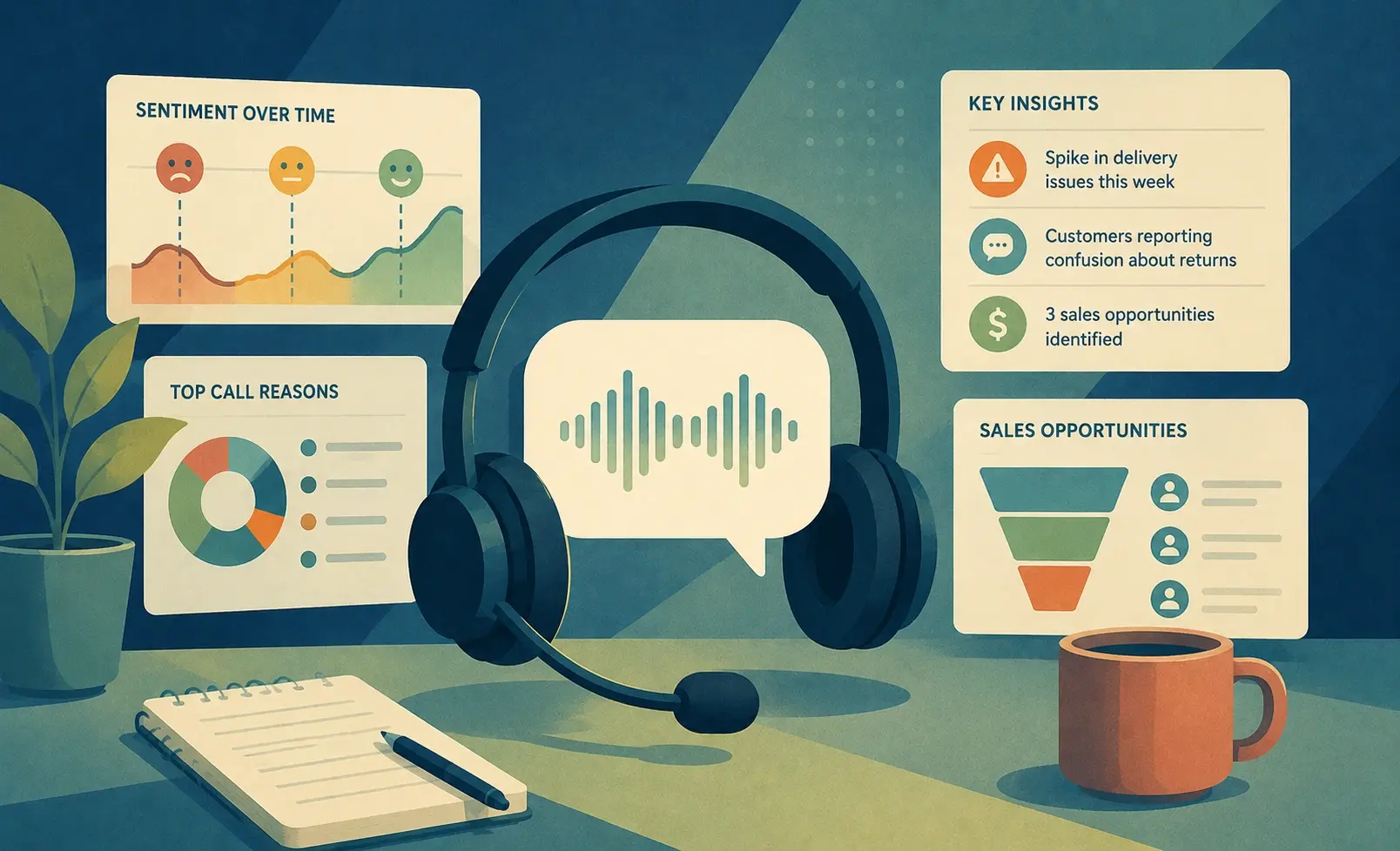
To enhance call center customer service through structured explanations, organizations should focus on several key strategies. First, adopting AI-powered call analytics platforms, such as Insight7, can automatically evaluate customer interactions. This technology assesses calls for tone, empathy, and resolution effectiveness, ensuring that agents provide consistent and high-quality service. By scoring interactions against custom quality criteria, organizations can identify trends and areas for improvement, leading to better customer experiences.
Second, training programs should emphasize the importance of structured communication. Agents should be equipped with the skills to deliver clear and concise explanations, which can be achieved through role-playing scenarios and scenario-based learning. This training not only enhances agents' ability to handle inquiries effectively but also fosters a culture of continuous improvement within the team.
Moreover, performance management tools can track agent performance over time, allowing for personalized coaching recommendations based on real conversations. By identifying skill gaps and providing targeted feedback, organizations can empower agents to improve their communication skills and overall performance. This approach ensures that agents are not only aware of their strengths but also understand where they need to develop further.
Another critical aspect is the continuous monitoring of customer sentiment. By utilizing AI-driven sentiment detection, organizations can gain insights into customer emotions and satisfaction levels during interactions. Understanding these emotional cues allows agents to tailor their responses, fostering a more empathetic and supportive customer experience.
Additionally, organizations should focus on identifying recurring customer pain points and sentiment trends. By analyzing data from customer interactions, teams can uncover the drivers of satisfaction and escalation. This information can be used to refine service processes, ensuring that agents are prepared to address common issues effectively and efficiently.
In summary, improving call center customer service through structured explanations involves leveraging AI-powered tools for call evaluation, emphasizing structured communication in training programs, and continuously monitoring agent performance and customer sentiment. By implementing these strategies, organizations can enhance the quality of customer interactions, reduce frustration, and ultimately drive customer satisfaction and loyalty.
Comparison Table
Improving call center customer service through structured explanations is essential for enhancing customer satisfaction and operational efficiency. Organizations can achieve this by adopting AI-powered call analytics platforms like Insight7, which automatically evaluate customer interactions for tone, empathy, and resolution effectiveness. Training agents to deliver clear and concise explanations is also crucial; this can be accomplished through role-playing scenarios and scenario-based learning. Additionally, continuous performance management tools can track agent progress, allowing for personalized coaching recommendations based on real conversations. Monitoring customer sentiment through AI-driven sentiment detection provides insights into emotions, enabling agents to tailor their responses effectively. By focusing on these strategies, organizations can significantly enhance the quality of customer interactions, reduce frustration, and drive customer loyalty.
Selection Criteria
Improving call center customer service through structured explanations is crucial for enhancing customer satisfaction and operational efficiency. Organizations can achieve this by leveraging AI-powered call analytics platforms like Insight7, which automatically evaluate customer interactions for tone, empathy, and resolution effectiveness. Training agents to deliver clear and concise explanations is essential, which can be accomplished through role-playing scenarios and scenario-based learning. Continuous performance management tools can track agent progress, allowing for personalized coaching recommendations based on real conversations. Additionally, monitoring customer sentiment through AI-driven sentiment detection provides insights into emotions, enabling agents to tailor their responses effectively. By focusing on these strategies, organizations can significantly enhance the quality of customer interactions, reduce frustration, and drive customer loyalty.
Implementation Guide
To improve call center customer service through structured explanations, organizations should implement AI-powered call analytics platforms like Insight7, which automatically evaluate customer interactions for tone, empathy, and resolution effectiveness. Training agents to provide clear and concise explanations is vital, achievable through role-playing scenarios and scenario-based learning. Continuous performance management tools can track agent progress, offering personalized coaching recommendations based on real conversations. Additionally, monitoring customer sentiment with AI-driven sentiment detection allows agents to tailor their responses effectively, enhancing the overall customer experience. By focusing on these strategies, organizations can significantly improve the quality of customer interactions, reduce frustration, and foster customer loyalty.
Structured explanations not only clarify information but also build trust, ensuring customers feel heard and valued.
Frequently Asked Questions
Frequently Asked Questions
Q: How can structured explanations improve call center customer service?
A: Structured explanations enhance clarity and consistency in communication, reducing customer frustration and improving satisfaction. By providing clear, concise information, agents can effectively address customer inquiries and build trust.
Q: What role does AI play in improving call center interactions?
A: AI-powered call analytics platforms, like Insight7, automatically evaluate customer interactions for tone, empathy, and resolution effectiveness, enabling organizations to identify trends and coach agents for better performance.
Q: How can training programs support structured explanations?
A: Training programs that incorporate role-playing and scenario-based learning help agents practice delivering structured explanations, enhancing their ability to handle customer inquiries effectively and empathetically.
Q: What are the benefits of monitoring customer sentiment?
A: Monitoring customer sentiment through AI-driven tools allows agents to tailor their responses based on emotional cues, leading to more personalized interactions and improved customer experiences.
Q: How does continuous performance management contribute to service quality?
A: Continuous performance management tools track agent progress and provide personalized coaching recommendations, ensuring that agents consistently improve their skills and maintain high service quality.