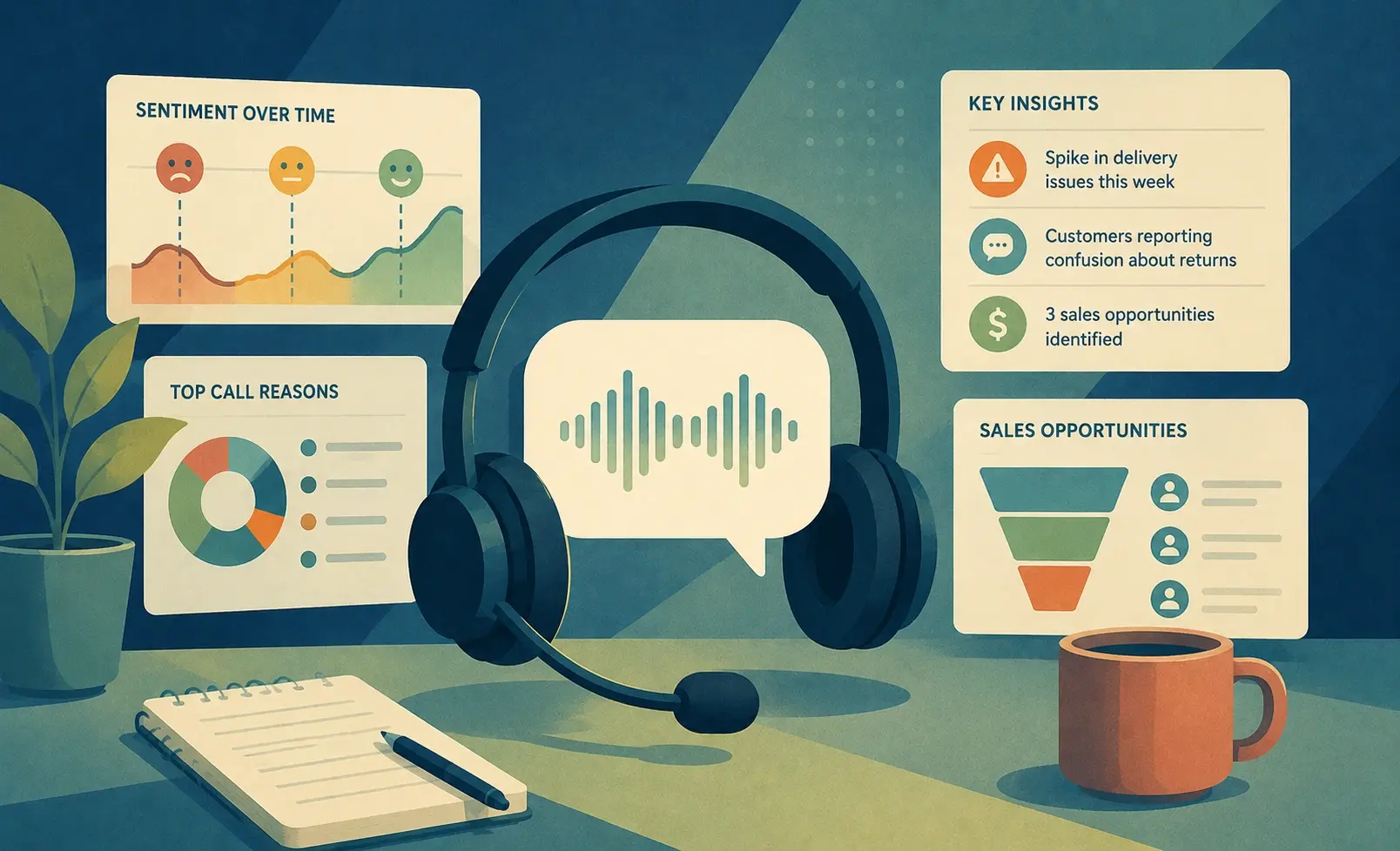
In today's fast-paced call center environment, the ability to avoid assumptions is crucial for agents aiming to deliver exceptional customer service. Leveraging AI feedback can significantly enhance agent skills by providing real-time insights into customer interactions. This technology evaluates calls for tone, empathy, and resolution effectiveness, enabling agents to understand customer sentiments better and tailor their responses accordingly. By utilizing AI-driven coaching recommendations, agents can identify skill gaps and receive personalized feedback, fostering continuous improvement. This article will explore how AI feedback empowers call center agents to refine their communication skills, enhance customer experiences, and ultimately drive revenue growth, transforming every interaction into a valuable learning opportunity.
As we delve deeper, we will examine the core capabilities of AI-powered call analytics, the importance of emotional intelligence, and practical strategies for integrating AI feedback into daily operations.
Essential Skills for Call Center Agents: Avoiding Assumptions with AI Feedback
In the realm of call centers, the ability to avoid assumptions is paramount for agents striving to provide exceptional customer service. By leveraging AI feedback, agents can enhance their skills and improve customer interactions significantly. AI-powered call analytics platforms, like Insight7, automatically evaluate calls for tone, empathy, and resolution effectiveness, allowing agents to gain real-time insights into customer sentiments. This technology empowers agents to tailor their responses more effectively, ensuring that they address customer needs accurately rather than relying on preconceived notions.
AI feedback plays a crucial role in identifying skill gaps and delivering personalized coaching recommendations. By continuously monitoring agent performance and providing actionable insights, AI fosters an environment of ongoing improvement. This not only enhances the individual agent's capabilities but also contributes to the overall service quality of the team. As agents become more adept at understanding and responding to customer emotions, they can create more meaningful interactions that drive customer satisfaction and loyalty.
Moreover, the integration of AI feedback into daily operations equips agents with the tools they need to refine their communication skills. For instance, AI can detect sentiment trends and recurring customer pain points, enabling agents to adjust their approach based on real-time data. This proactive strategy helps agents avoid assumptions that could lead to misunderstandings or escalations, ultimately resulting in a more positive customer experience.
In addition to improving individual performance, AI-driven insights can help call center leaders identify broader trends and themes within customer interactions. By analyzing data across multiple conversations, leaders can uncover systemic issues and implement targeted training programs to address these challenges. This holistic approach not only enhances individual agent performance but also drives organizational growth by identifying upsell and cross-sell opportunities in real time.
As we explore the essential skills for call center agents, it becomes clear that avoiding assumptions through AI feedback is not just about improving individual interactions; it’s about transforming the entire customer experience. By embracing AI technology, call center agents can develop a deeper understanding of customer needs, enhance their emotional intelligence, and ultimately drive revenue growth. In the following sections, we will delve into the core capabilities of AI-powered call analytics, the significance of emotional intelligence in customer interactions, and practical strategies for integrating AI feedback into everyday call center operations.
Comparison Table
Comparison Table
In the evolving landscape of call centers, the integration of AI feedback is revolutionizing how agents avoid assumptions and enhance their skills. Here’s a comparison of traditional methods versus AI-driven approaches:
| Aspect | Traditional Methods | AI-Driven Approaches |
|---|---|---|
| Call Evaluation | Manual reviews of select calls | Automated evaluation of 100% of calls |
| Feedback Consistency | Subjective and inconsistent | Objective, unbiased insights across teams |
| Skill Gap Identification | Limited to periodic assessments | Real-time tracking and personalized coaching |
| Sentiment Analysis | Rarely conducted, often overlooked | Continuous sentiment detection for immediate adjustments |
| Coaching Recommendations | Generic feedback based on past performance | Tailored, actionable insights from actual conversations |
| Performance Monitoring | Infrequent and reactive | Ongoing monitoring with proactive adjustments |
| Customer Insights | Based on anecdotal evidence | Data-driven insights uncovering trends and pain points |
This table illustrates how AI feedback not only enhances individual agent performance but also transforms the overall customer experience, making it a vital tool for modern call centers.
Selection Criteria
In the call center industry, avoiding assumptions is crucial for agents aiming to provide exceptional customer service. By utilizing AI feedback, agents can significantly enhance their skills and improve customer interactions. AI-powered call analytics platforms, like Insight7, automatically evaluate calls for tone, empathy, and resolution effectiveness, offering real-time insights into customer sentiments. This technology empowers agents to tailor their responses effectively, ensuring they address customer needs accurately rather than relying on preconceived notions.
AI feedback is instrumental in identifying skill gaps and delivering personalized coaching recommendations. Continuous monitoring of agent performance provides actionable insights that foster an environment of ongoing improvement. As agents become more adept at understanding and responding to customer emotions, they create more meaningful interactions that drive customer satisfaction and loyalty.
Moreover, integrating AI feedback into daily operations equips agents with the tools to refine their communication skills. AI can detect sentiment trends and recurring customer pain points, enabling agents to adjust their approach based on real-time data. This proactive strategy helps avoid assumptions that could lead to misunderstandings or escalations, ultimately resulting in a more positive customer experience.
In addition to enhancing individual performance, AI-driven insights help call center leaders identify broader trends and themes within customer interactions. By analyzing data across multiple conversations, leaders can uncover systemic issues and implement targeted training programs to address these challenges. This holistic approach not only improves individual agent performance but also drives organizational growth by identifying upsell and cross-sell opportunities in real time.
Ultimately, avoiding assumptions through AI feedback is about transforming the entire customer experience. By embracing AI technology, call center agents can develop a deeper understanding of customer needs, enhance their emotional intelligence, and drive revenue growth.
Implementation Guide
To effectively enhance call center agent skills and avoid assumptions, leveraging AI feedback is crucial. AI-powered platforms, like Insight7, automatically evaluate customer interactions, providing agents with real-time insights into sentiment, empathy, and resolution effectiveness. This technology empowers agents to tailor their responses based on actual customer emotions rather than preconceived notions. By continuously monitoring performance and identifying skill gaps, AI facilitates personalized coaching recommendations that foster ongoing improvement.
Moreover, AI feedback helps agents recognize recurring customer pain points, enabling them to adjust their approach dynamically. This proactive strategy not only enhances individual performance but also transforms the overall customer experience, driving satisfaction and loyalty. Ultimately, integrating AI feedback equips agents with the tools to refine their communication skills, ensuring they meet customer needs accurately and effectively.
Frequently Asked Questions
Frequently Asked Questions
Q: How can AI feedback help call center agents avoid assumptions?
A: AI feedback provides real-time insights into customer sentiments, enabling agents to tailor their responses based on actual emotions rather than preconceived notions. This helps ensure that agents accurately address customer needs.
Q: What specific skills can be improved with AI feedback?
A: AI feedback enhances skills such as empathy, communication, and resolution effectiveness by automatically evaluating calls and offering personalized coaching recommendations based on performance data.
Q: How does continuous monitoring of agent performance benefit customer interactions?
A: Continuous monitoring allows for the identification of skill gaps and recurring customer pain points, enabling agents to adjust their approach dynamically and improve overall customer satisfaction.
Q: What role does AI play in identifying upsell opportunities?
A: AI analyzes customer interactions to detect upsell and cross-sell signals in real time, providing agents with actionable insights to enhance revenue growth during customer conversations.
Q: Can AI feedback improve team performance as a whole?
A: Yes, by uncovering broader trends and themes within customer interactions, AI feedback helps leaders implement targeted training programs, driving both individual and organizational growth.