Clear articulation is a vital skill for call center representatives, significantly impacting customer interactions and overall service quality. With the integration of AI-powered training tools, representatives can enhance their communication abilities by receiving real-time feedback on their tone, clarity, and empathy. This training not only helps in refining articulation but also fosters a deeper understanding of customer emotions and needs. In this article, we will explore how AI-driven platforms can automate call evaluations, provide personalized coaching insights, and ultimately improve the performance of customer-facing teams. By leveraging these advanced tools, organizations can ensure that their representatives communicate effectively, leading to better customer experiences and increased satisfaction.
As we delve into the specifics, we will discuss the core capabilities of AI in call evaluation, the significance of continuous performance management, and how these innovations can transform training programs for call center agents.
Essential Skills for Call Center Representatives
Clear articulation training is essential for call center representatives, as it directly influences customer interactions and overall service quality. With the advent of AI-powered training tools, representatives can significantly enhance their communication skills by receiving real-time feedback on their tone, clarity, and empathy. This training not only refines articulation but also deepens the understanding of customer emotions and needs. By leveraging AI-driven platforms, organizations can automate call evaluations, provide personalized coaching insights, and ultimately improve the performance of customer-facing teams. This article will explore how these advanced tools can transform training programs for call center agents, ensuring effective communication that leads to better customer experiences and increased satisfaction.
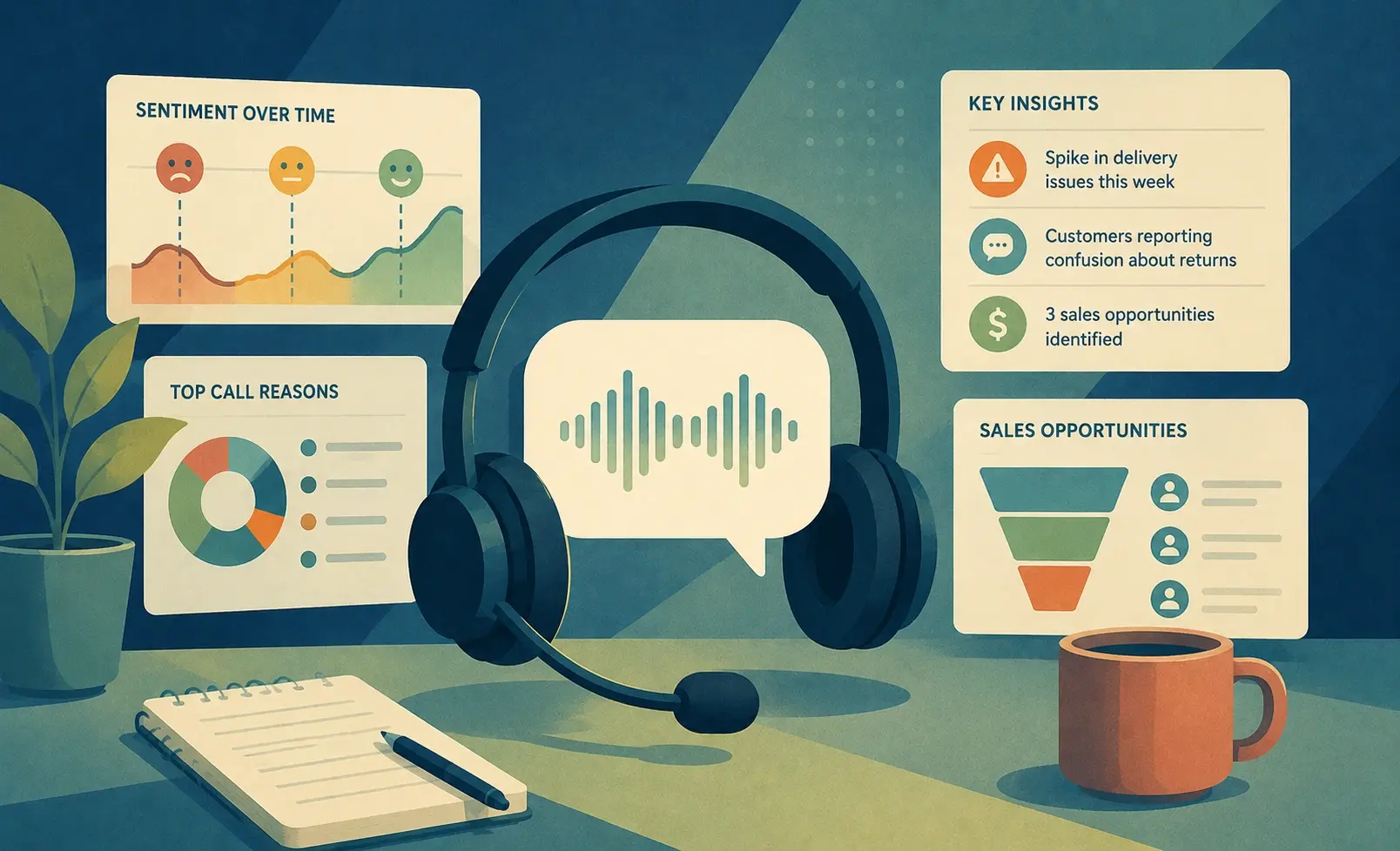
The integration of AI in call centers has revolutionized how representatives are trained in clear articulation. AI-powered call analytics platforms, like Insight7, automatically evaluate customer interactions, scoring them against custom quality criteria. This capability allows organizations to assess 100% of customer calls, ensuring that every interaction is analyzed for tone, empathy, and resolution effectiveness. By detecting sentiment and understanding customer emotions, AI tools provide actionable insights that help representatives articulate their responses more clearly and empathetically.
One of the key features of AI-driven training is its ability to deliver consistent, unbiased quality assurance insights across teams. This means that all representatives receive the same level of feedback, which is crucial for maintaining high service standards. By identifying skill gaps and suggesting targeted coaching recommendations, AI can help managers focus their training efforts where they are needed most. This personalized approach not only enhances individual performance but also fosters a culture of continuous improvement within the team.
Moreover, the real-time feedback provided by AI tools allows representatives to practice their articulation skills in a safe environment. For instance, during role-playing exercises or simulated customer interactions, AI can analyze responses and offer immediate suggestions for improvement. This instant feedback loop is akin to having a coach present during training, guiding representatives on how to refine their communication style and adapt to various customer scenarios.
The ability to monitor quality and compliance continuously is another significant advantage of AI in training programs. By tracking agent performance over time, organizations can visualize trends and identify areas where additional training may be necessary. This proactive approach ensures that representatives are always equipped with the skills they need to handle customer inquiries effectively, ultimately leading to improved customer satisfaction and loyalty.
Furthermore, AI can uncover recurring customer pain points and sentiment trends, allowing organizations to refine their service processes. By understanding the drivers of customer satisfaction and escalation, representatives can be trained to articulate solutions more effectively, addressing customer concerns with clarity and confidence. This not only enhances the customer experience but also opens up opportunities for upselling and cross-selling, as representatives become more adept at recognizing and responding to customer needs.
In conclusion, clear articulation training powered by AI is transforming the landscape of call center operations. By automating call evaluations, providing personalized coaching insights, and fostering a culture of continuous improvement, organizations can ensure that their representatives communicate effectively. This leads to better customer experiences, increased satisfaction, and ultimately drives revenue growth. As AI technology continues to evolve, the potential for enhancing communication skills in customer-facing teams will only expand, making it an essential investment for organizations looking to thrive in a competitive marketplace.
Comparison Table
Clear articulation training is essential for call center representatives, as it directly influences customer interactions and overall service quality. AI-powered training tools significantly enhance communication skills by providing real-time feedback on tone, clarity, and empathy. This training not only refines articulation but also deepens the understanding of customer emotions and needs. By leveraging AI-driven platforms, organizations can automate call evaluations, provide personalized coaching insights, and ultimately improve the performance of customer-facing teams. This article will explore how these advanced tools can transform training programs for call center agents, ensuring effective communication that leads to better customer experiences and increased satisfaction.
AI-powered call analytics platforms, like Insight7, automatically evaluate customer interactions, scoring them against custom quality criteria. This capability allows organizations to assess 100% of customer calls, ensuring that every interaction is analyzed for tone, empathy, and resolution effectiveness. By detecting sentiment and understanding customer emotions, AI tools provide actionable insights that help representatives articulate their responses more clearly and empathetically.
One of the key features of AI-driven training is its ability to deliver consistent, unbiased quality assurance insights across teams. This means that all representatives receive the same level of feedback, which is crucial for maintaining high service standards. By identifying skill gaps and suggesting targeted coaching recommendations, AI can help managers focus their training efforts where they are needed most. This personalized approach not only enhances individual performance but also fosters a culture of continuous improvement within the team.
Moreover, the real-time feedback provided by AI tools allows representatives to practice their articulation skills in a safe environment. For instance, during role-playing exercises or simulated customer interactions, AI can analyze responses and offer immediate suggestions for improvement. This instant feedback loop is akin to having a coach present during training, guiding representatives on how to refine their communication style and adapt to various customer scenarios.
The ability to monitor quality and compliance continuously is another significant advantage of AI in training programs. By tracking agent performance over time, organizations can visualize trends and identify areas where additional training may be necessary. This proactive approach ensures that representatives are always equipped with the skills they need to handle customer inquiries effectively, ultimately leading to improved customer satisfaction and loyalty.
Furthermore, AI can uncover recurring customer pain points and sentiment trends, allowing organizations to refine their service processes. By understanding the drivers of customer satisfaction and escalation, representatives can be trained to articulate solutions more effectively, addressing customer concerns with clarity and confidence. This not only enhances the customer experience but also opens up opportunities for upselling and cross-selling, as representatives become more adept at recognizing and responding to customer needs.
In conclusion, clear articulation training powered by AI is transforming the landscape of call center operations. By automating call evaluations, providing personalized coaching insights, and fostering a culture of continuous improvement, organizations can ensure that their representatives communicate effectively. This leads to better customer experiences, increased satisfaction, and ultimately drives revenue growth. As AI technology continues to evolve, the potential for enhancing communication skills in customer-facing teams will only expand, making it an essential investment for organizations looking to thrive in a competitive marketplace.
Selection Criteria
Clear articulation training is vital for call center representatives, as it significantly impacts customer interactions and overall service quality. Leveraging AI-powered training tools can enhance these communication skills by providing real-time feedback on tone, clarity, and empathy. This training not only refines articulation but also fosters a deeper understanding of customer emotions and needs. By utilizing AI-driven platforms, organizations can automate call evaluations, deliver personalized coaching insights, and ultimately improve the performance of customer-facing teams.
AI-powered call analytics platforms, like Insight7, automatically evaluate customer interactions against custom quality criteria. This capability allows organizations to assess 100% of customer calls, ensuring every interaction is analyzed for tone, empathy, and resolution effectiveness. By detecting sentiment and understanding customer emotions, AI tools provide actionable insights that help representatives articulate their responses more clearly and empathetically.
The consistent, unbiased quality assurance insights delivered by AI-driven training ensure all representatives receive the same level of feedback, which is crucial for maintaining high service standards. By identifying skill gaps and suggesting targeted coaching recommendations, AI helps managers focus their training efforts where they are needed most, enhancing individual performance and fostering a culture of continuous improvement.
Moreover, the real-time feedback provided by AI tools allows representatives to practice their articulation skills in a safe environment. During role-playing exercises or simulated customer interactions, AI can analyze responses and offer immediate suggestions for improvement, akin to having a coach present during training. This instant feedback loop guides representatives on refining their communication style and adapting to various customer scenarios.
Continuous monitoring of quality and compliance is another significant advantage of AI in training programs. By tracking agent performance over time, organizations can visualize trends and identify areas for additional training, ensuring representatives are equipped with the skills needed to handle customer inquiries effectively. This proactive approach leads to improved customer satisfaction and loyalty.
Furthermore, AI uncovers recurring customer pain points and sentiment trends, allowing organizations to refine their service processes. By understanding the drivers of customer satisfaction and escalation, representatives can be trained to articulate solutions more effectively, addressing customer concerns with clarity and confidence. This not only enhances the customer experience but also opens opportunities for upselling and cross-selling, as representatives become more adept at recognizing and responding to customer needs.
In summary, clear articulation training powered by AI is transforming call center operations. By automating call evaluations, providing personalized coaching insights, and fostering a culture of continuous improvement, organizations can ensure their representatives communicate effectively. This leads to better customer experiences, increased satisfaction, and ultimately drives revenue growth, making it an essential investment for organizations looking to thrive in a competitive marketplace.
Implementation Guide
Clear articulation training is crucial for call center representatives as it directly impacts customer interactions and overall service quality. By leveraging AI-powered training tools, organizations can enhance communication skills through real-time feedback on tone, clarity, and empathy. This training not only refines articulation but also deepens representatives' understanding of customer emotions and needs. AI-driven platforms, like Insight7, automate call evaluations, deliver personalized coaching insights, and ultimately improve the performance of customer-facing teams.
AI-powered call analytics platforms automatically evaluate customer interactions against custom quality criteria, ensuring that every call is analyzed for tone, empathy, and resolution effectiveness. This capability allows organizations to provide actionable insights that help representatives articulate their responses more clearly and empathetically. The consistent quality assurance insights delivered by AI ensure that all representatives receive the same level of feedback, which is essential for maintaining high service standards.
Real-time feedback from AI tools enables representatives to practice their articulation skills in a safe environment. During role-playing exercises or simulated customer interactions, AI can analyze responses and offer immediate suggestions for improvement. This instant feedback loop acts like having a coach present during training, guiding representatives on refining their communication style and adapting to various customer scenarios.
Moreover, continuous monitoring of quality and compliance allows organizations to visualize trends and identify areas for additional training. This proactive approach ensures that representatives are always equipped with the skills needed to handle customer inquiries effectively, leading to improved customer satisfaction and loyalty. AI also uncovers recurring customer pain points and sentiment trends, enabling organizations to refine their service processes and train representatives to articulate solutions more effectively.
In conclusion, clear articulation training powered by AI is transforming call center operations. By automating call evaluations, providing personalized coaching insights, and fostering a culture of continuous improvement, organizations can ensure their representatives communicate effectively. This leads to better customer experiences, increased satisfaction, and ultimately drives revenue growth, making it an essential investment for organizations looking to thrive in a competitive marketplace.
Frequently Asked Questions
Frequently Asked Questions
Q: What are the key skills that call center representatives need to develop?
A: Call center representatives should focus on clear articulation, empathy, active listening, and problem-solving skills to enhance customer interactions and overall service quality.
Q: How does AI training improve articulation skills for call center agents?
A: AI training provides real-time feedback on tone, clarity, and empathy, allowing representatives to refine their communication skills and better understand customer emotions.
Q: What benefits does AI-powered call analytics offer to customer-facing teams?
A: AI-powered call analytics automatically evaluates customer interactions, delivering actionable insights that help identify trends, coach team members, and enhance training programs.
Q: Can AI tools help in identifying skill gaps among call center representatives?
A: Yes, AI tools can track agent performance over time and suggest targeted coaching recommendations, ensuring that training efforts address specific skill gaps.
Q: How does continuous monitoring of quality impact customer satisfaction?
A: Continuous monitoring allows organizations to visualize trends and identify areas for additional training, ensuring representatives are equipped to handle inquiries effectively, which leads to improved customer satisfaction.