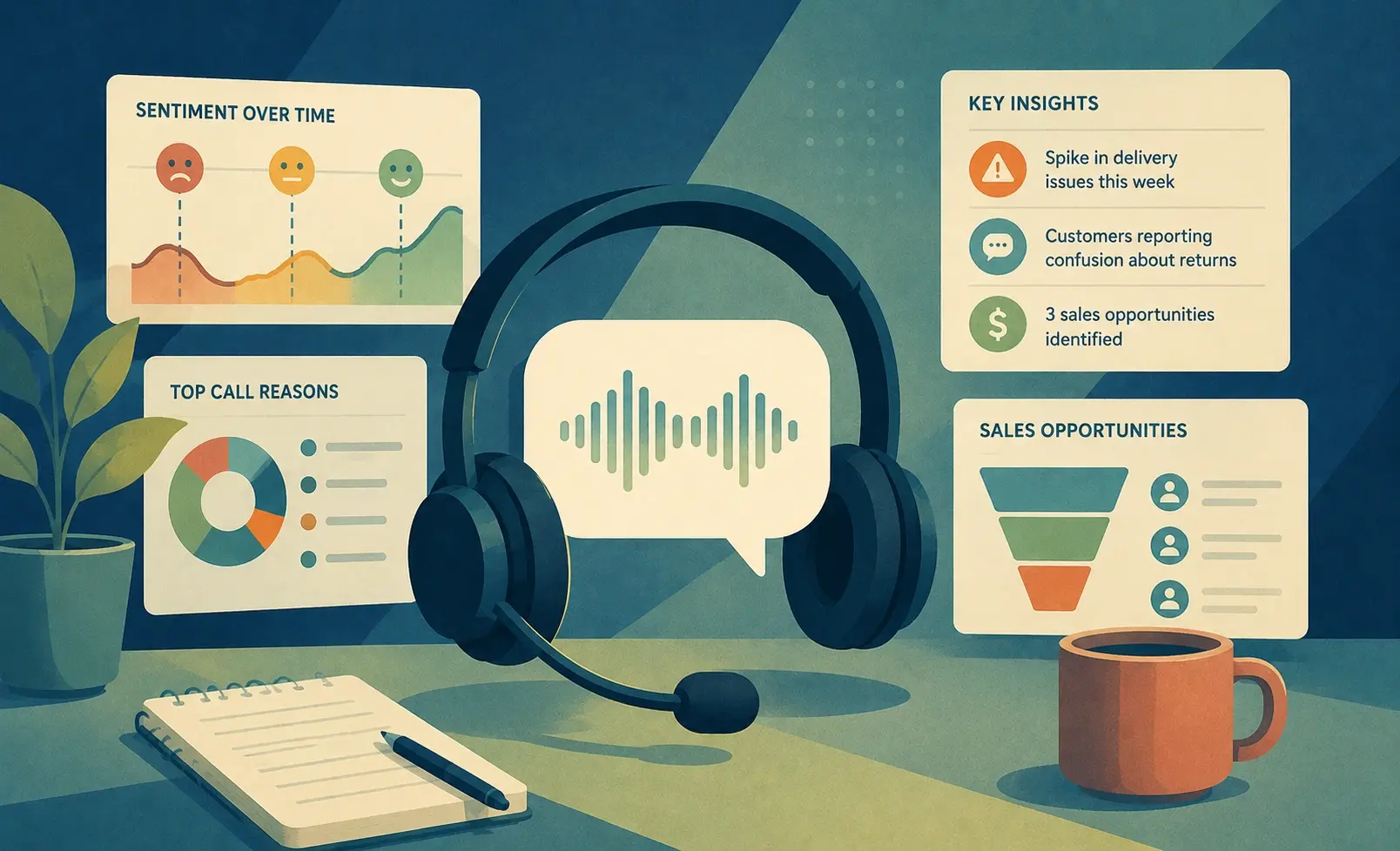
In today's fast-paced customer service environment, call center agents must master the art of communication to ensure clarity and effectiveness in their interactions. "Call center agent skills: Teaching clarity through AI feedback" explores how leveraging AI-driven insights can significantly enhance these skills. By utilizing AI-powered call analytics, organizations can automatically evaluate agent performance, provide real-time feedback, and identify areas for improvement. This approach not only helps agents refine their communication techniques but also fosters a culture of continuous learning and development. As we delve deeper into this topic, we will examine the core capabilities of AI in call evaluation, the importance of personalized coaching, and how these tools can ultimately lead to improved customer experiences and increased revenue opportunities.
AI-powered feedback is revolutionizing the way call center agents learn and grow, making it essential for organizations to embrace these technologies for better service quality and agent performance.
AI Feedback Tools for Enhancing Call Center Agent Clarity
In the realm of call centers, clarity in communication is paramount for agents to effectively address customer needs and foster positive experiences. Teaching clarity through AI feedback is a transformative approach that equips call center agents with the skills necessary to enhance their performance. By leveraging AI-powered call analytics, organizations can provide agents with real-time insights into their communication styles, enabling them to refine their techniques and deliver more effective customer interactions.
AI feedback tools, such as those offered by Insight7, automatically evaluate customer calls, scoring interactions based on custom quality criteria. This capability allows leaders to identify trends in agent performance, including areas where clarity may be lacking. For instance, AI can detect sentiment and empathy levels, helping agents understand how their tone and choice of words impact customer satisfaction. This data-driven approach not only highlights individual strengths and weaknesses but also fosters a culture of continuous improvement within the team.
One of the core capabilities of AI feedback tools is the ability to generate actionable coaching insights from real conversations. By analyzing recorded calls, AI can pinpoint specific moments where agents may have struggled to convey their message clearly or where misunderstandings occurred. This targeted feedback allows managers to provide personalized coaching recommendations, addressing skill gaps and enhancing overall communication effectiveness. As agents receive tailored guidance, they can practice and implement new strategies, leading to improved clarity in their interactions.
Moreover, the integration of AI in performance management enables organizations to track agent progress over time. By continuously monitoring quality and compliance, leaders can ensure that agents are not only meeting performance standards but also evolving in their communication skills. This ongoing assessment helps identify recurring customer pain points and sentiment trends, allowing teams to refine their service processes and improve outcomes. As agents become more adept at communicating clearly, the likelihood of resolving issues on the first call increases, ultimately enhancing customer satisfaction and loyalty.
The potential for AI feedback tools to detect upsell and cross-sell opportunities in real time further underscores their value in teaching clarity. By analyzing customer interactions, AI can identify moments when agents can effectively introduce additional products or services. This capability not only drives revenue growth but also empowers agents to engage in more meaningful conversations with customers, fostering a deeper understanding of their needs and preferences.
In summary, teaching clarity through AI feedback is a powerful strategy for enhancing call center agent skills. By utilizing AI-powered call analytics, organizations can provide agents with the insights they need to improve their communication techniques, leading to better customer experiences and increased revenue opportunities. As call centers continue to evolve, embracing AI feedback tools will be essential for fostering a culture of continuous learning and development, ultimately driving success in the competitive landscape of customer service.
Comparison Table
Comparison Table
In the realm of call center operations, teaching clarity through AI feedback is a game-changer for agent skills development. Insight7’s AI-powered call analytics platform automatically evaluates customer interactions, providing unbiased insights into communication effectiveness. This technology scores calls based on custom quality criteria, allowing for precise identification of areas needing improvement, such as tone, empathy, and resolution efficacy.
Unlike traditional training methods, AI-driven feedback delivers real-time, actionable coaching insights, enabling agents to refine their communication techniques continuously. This approach not only enhances individual performance but also fosters a culture of ongoing learning within teams. By leveraging AI analytics, organizations can ensure agents are equipped with the skills necessary to improve customer satisfaction and drive revenue growth effectively.
Selection Criteria
Selection Criteria
To effectively teach clarity through AI feedback for call center agents, several key skills and attributes are essential. First, agents must demonstrate strong communication abilities, enabling them to articulate messages clearly and adapt their language to diverse customer needs. Additionally, emotional intelligence is crucial, as it allows agents to understand and respond to customer emotions, fostering a more empathetic interaction.
Moreover, adaptability is vital; agents should be open to feedback and willing to adjust their communication styles based on AI insights. Critical thinking skills will help agents analyze AI-generated feedback and implement improvements effectively. Lastly, a commitment to continuous learning is necessary, as agents must embrace ongoing training and development to refine their skills and enhance customer experiences.
Implementation Guide
Implementation Guide
Teaching clarity to call center agents through AI feedback is a transformative approach that enhances communication skills and overall performance. By utilizing Insight7’s AI-powered call analytics, organizations can automatically evaluate customer interactions, scoring them against custom quality criteria. This process identifies specific areas for improvement, such as tone, empathy, and resolution effectiveness.
To implement this effectively, start by integrating AI tools into your training programs. Provide agents with real-time feedback on their calls, allowing them to understand their strengths and weaknesses. Encourage a culture of continuous learning by regularly reviewing AI-generated insights and incorporating them into coaching sessions. Additionally, foster adaptability among agents by promoting openness to feedback and ongoing skill development. This approach not only boosts individual performance but also elevates the entire team's customer service quality.
Frequently Asked Questions
Frequently Asked Questions
Q: What skills are essential for call center agents to improve clarity through AI feedback?
A: Essential skills include strong communication abilities, emotional intelligence, adaptability, critical thinking, and a commitment to continuous learning. These skills enable agents to articulate messages clearly, understand customer emotions, and effectively implement AI-generated feedback.
Q: How does AI feedback enhance call center agent performance?
A: AI feedback provides real-time evaluations of customer interactions, scoring them against custom quality criteria. This helps agents identify specific areas for improvement, such as tone and empathy, leading to enhanced communication skills and overall performance.
Q: What role does emotional intelligence play in call center interactions?
A: Emotional intelligence allows agents to understand and respond to customer emotions effectively, fostering empathetic interactions that can improve customer satisfaction and loyalty.
Q: How can organizations implement AI feedback in their training programs?
A: Organizations can integrate AI tools into training by providing agents with real-time feedback on their calls, encouraging a culture of continuous learning, and regularly reviewing AI-generated insights during coaching sessions.
Q: Why is adaptability important for call center agents using AI feedback?
A: Adaptability is crucial as it enables agents to be open to feedback and adjust their communication styles based on AI insights, ultimately leading to improved customer interactions and service quality.