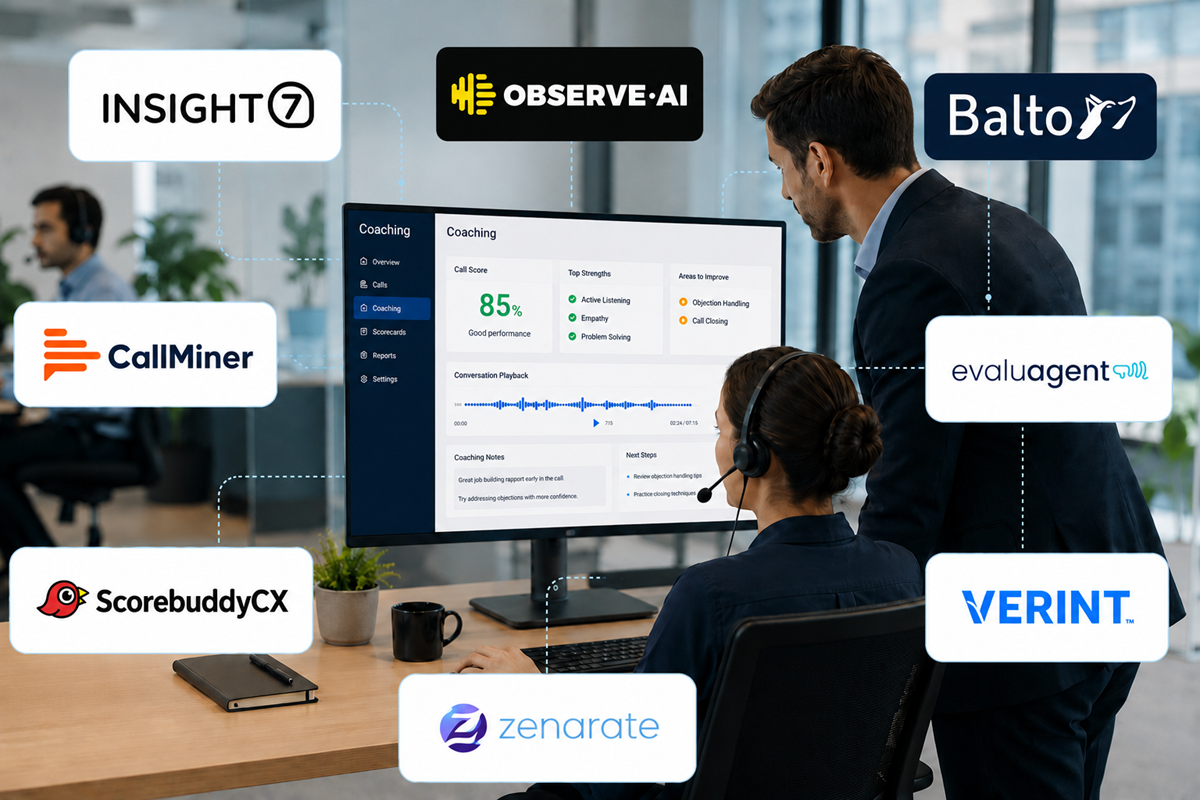
Creating a robust training plan for call center agents is essential for any organization aiming to enhance customer service excellence. An effective training program not only equips agents with the necessary skills but also aligns with business goals and customer expectations. By investing in comprehensive training, organizations can unlock transformative benefits, including improved customer satisfaction, reduced turnover, and increased operational efficiency.
Current Market Urgency for Call Center Agent Training
The landscape of customer service is changing rapidly, and organizations face numerous challenges in agent performance, customer satisfaction, and operational efficiency. Structured training addresses these issues by providing agents with the skills they need to meet evolving customer expectations. Traditional onboarding methods and informal skill development often fall short, leading to inconsistent service and high turnover rates.
With the rise of digital transformation and remote work, the need for comprehensive training has become even more urgent. Customers now expect quick, knowledgeable responses, and agents must navigate complex technologies to deliver exceptional service. Organizations that fail to adapt their training programs risk falling behind in a competitive market.
What Is Call Center Agent Training in Simple Terms?
Call center agent training is a structured learning process designed to transform new hires into proficient customer service professionals. Unlike basic orientation or product knowledge sessions, effective training encompasses a wide range of skills, including communication, problem-solving, and technical proficiency. This approach unlocks capabilities that were previously unattainable, enabling agents to handle customer inquiries with confidence and efficiency.
For example, through effective training, agents can develop skills such as active listening, empathy, and technical mastery, which are crucial for delivering high-quality customer interactions.
What Can Organizations Actually Do With Call Center Agent Training?
Organizations can achieve specific capabilities with measurable outcomes through structured training programs:
- Accelerated onboarding programs → Reduce time-to-productivity by 50% through structured skill development.
- Soft skills enhancement → Improve customer satisfaction scores by 35% through empathy and communication training.
- Technical proficiency building → Increase first-call resolution by 40% through comprehensive product and system training.
- Ongoing coaching programs → Reduce agent turnover by 60% through continuous development and support.
- Performance improvement tracking → Enhance overall team performance by 45% through data-driven coaching.
- Compliance training delivery → Achieve 95% regulatory adherence through systematic compliance education.
- Cultural competency training → Enhance service delivery to diverse customer bases by 30% through inclusivity training.
Corporate Investment Trends in Call Center Agent Training
Several major business drivers are pushing the adoption of comprehensive training programs across contact centers. High agent turnover, inconsistent service quality, and compliance risks are significant pain points that structured training directly addresses. Organizations that invest in comprehensive training programs experience performance, retention, and customer experience advantages over those that rely on minimal training approaches.
The role of technology in modern training solutions cannot be overstated. AI-driven platforms and e-learning tools are revolutionizing how training is delivered, making it more engaging and effective.
What Data Makes Call Center Agent Training Work?
Essential training data includes performance metrics, skill assessments, learning progress, and customer feedback. Integrating this data with operational context—such as call quality, customer satisfaction, and business outcomes—improves program effectiveness. A comprehensive training data foundation leads to more targeted development and better business results.
Feedback loops and continuous improvement based on data analysis are crucial for refining training programs and ensuring they meet organizational needs.
Call Center Agent Training Operational Framework
To visualize the training process, consider the following steps:
- Identify training needs based on performance gaps, new technology, regulatory changes, and business growth.
- Define learning objectives and structure content for maximum retention.
- Utilize diverse delivery methods such as classroom training, virtual sessions, simulations, and on-the-job coaching.
- Track progress and validate competency through assessments and evaluations.
- Deliver ongoing development through coaching and advanced training modules.
- Feed results back into training optimization to enhance business performance.
- Incorporate mentorship programs and peer-to-peer learning to foster a collaborative training environment.
Where Can Call Center Agent Training Be Applied?
Specific use cases illustrate the benefits of structured training:
- New hire onboarding reduces time-to-productivity and improves early performance through structured learning paths.
- Soft skills training enhances customer interactions and reduces escalations through empathy development.
- Technical training improves problem-solving and increases resolution rates through system mastery.
- Compliance training ensures regulatory adherence and reduces organizational risk through systematic education.
- Leadership development prepares high-performers for advancement and improves retention through career progression.
- Gamification in training boosts engagement and retention by making learning interactive and enjoyable.
Call Center Agent Training Success Stories
Numerous organizations have transformed their operations through comprehensive training programs. For instance, a leading telecommunications company reported a 30% increase in customer satisfaction and a 50% reduction in agent turnover after implementing a structured training program. Testimonials from agents and managers highlight the positive impact of training on performance and morale, emphasizing the importance of investing in agent development.
Implementation Best Practices for Call Center Agent Training
Several factors determine the success of training programs:
- Design curricula that balance speed with thoroughness to ensure agents are well-prepared.
- Utilize delivery methods that cater to different types of skills and learning styles.
- Measure effectiveness through regular assessments and feedback.
- Foster stakeholder buy-in and encourage cross-departmental collaboration to enhance training relevance.
Common Challenges in Call Center Agent Training and Solutions
Organizations often face challenges when implementing training programs, such as resource constraints, resistance to change, and lack of engagement. To overcome these challenges, consider the following strategies:
- Allocate sufficient resources and budget for training initiatives.
- Communicate the benefits of training to all stakeholders to foster buy-in.
- Incorporate engaging training methods to maintain agent interest and participation.
Measuring ROI in Call Center Agent Training
Quantifying the business impact of training investments is crucial. Key metrics to demonstrate training effectiveness include performance improvement, retention rates, and customer satisfaction scores. Building a business case for expanded training programs requires a clear understanding of how training outcomes align with overall business objectives.
Measurement frameworks that provide accurate assessments of training value are essential for justifying ongoing investments in agent development.
Frequently Asked Questions (FAQ) About Call Center Agent Training
Common questions related to training implementation include:
- How long does training typically last?
- What are the costs associated with training programs?
- What outcomes can be expected from structured training?
Tailoring training to specific organizational needs ensures that it meets the unique challenges faced by each company.
Conclusion
Designing a comprehensive agent training plan from scratch is vital for organizations seeking to enhance customer service and operational efficiency. By investing in structured training, businesses can reap long-term benefits that positively impact both agents and the organization as a whole.