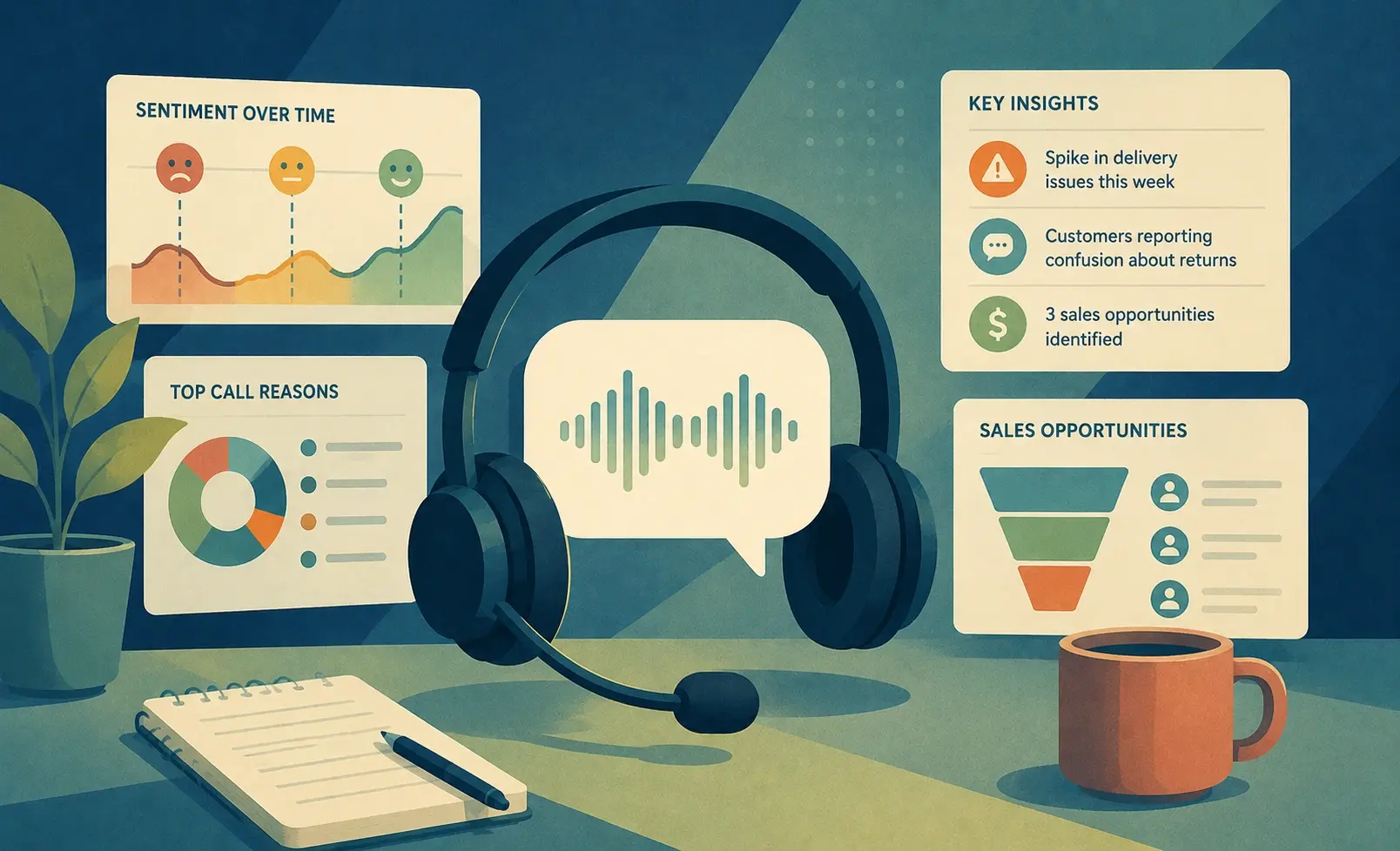
The integration of artificial intelligence (AI) into coaching methodologies is revolutionizing how organizations approach employee development. By leveraging AI insights, companies can create coaching forms that not only streamline feedback collection but also enhance the overall coaching experience. This transformation is essential for maintaining a competitive edge in today’s fast-paced business environment. In this guide, we will explore the strategic implementation of AI in coaching forms, the trends shaping the industry, and the operational excellence that can be achieved through intelligent coaching solutions.
What's Driving the AI Revolution in Coaching in 2025?
The coaching landscape is undergoing a significant shift as market forces push organizations to adopt AI-enhanced platforms. Traditional coaching methods, often reliant on manual feedback and subjective assessments, are being replaced by data-driven approaches that provide actionable insights.
Next-generation coaching organizations differentiate themselves by utilizing AI-integrated, adaptive forms that respond to individual coaching needs. This fundamental transformation from manual feedback collection to intelligent, predictive insights allows for a more personalized coaching experience.
Strategic capabilities now available include the ability to measure, predict, and automate various aspects of coaching sessions. This enables new coaching models that not only enhance individual performance but also position organizations competitively in the market. The trajectory toward automated coaching insights and personalized development plans is not just a trend; it is a necessity for organizations aiming to thrive in 2025.
Strategic Coaching Transformation Trends
The coaching industry has evolved from basic feedback forms to data-driven, insight-oriented processes. This evolution represents a survival imperative rather than a mere competitive advantage.
Transformation Areas:
- AI-Driven Personalization: Tailoring coaching experiences to individual needs through data insights.
- Data Analytics Integration: Utilizing analytics to inform coaching strategies and measure effectiveness.
- Feedback Automation: Streamlining feedback processes to enhance responsiveness and engagement.
- Predictive Performance Metrics: Anticipating coaching outcomes based on historical data trends.
- Scalable Coaching Solutions: Implementing technology to deliver coaching at scale without compromising quality.
Practical implementation examples include organizations using AI to analyze coaching effectiveness and adjust strategies in real-time, ensuring that coaching remains relevant and impactful.
Enterprise Scaling Through AI-Integrated Coaching vs Traditional Methods
Traditional coaching approaches often create bottlenecks that limit growth and responsiveness. Manual processes can slow down feedback loops and hinder the ability to adapt to changing business needs.
Intelligent automation enables organizations to scale coaching initiatives without proportional increases in resources. This strategic reorientation shifts the focus from reactive coaching to proactive, data-informed coaching, allowing for mass personalization across coaching programs.
AI-enhanced platforms facilitate operational excellence by delivering reliable, fast, and high-quality coaching insights. This evolution leads to next-level strategic capabilities, enabling organizations to respond swiftly to employee development needs.
How Is AI Reshaping Coaching Operations?
Traditional Operational Limits: Legacy coaching systems constrain growth, consistency, and innovation in coaching practices. They often rely on outdated methods that fail to capture the nuances of individual performance.
AI-Enabled Transformation: Modern AI solutions are revolutionizing coaching by providing real-time insights and feedback. For example, AI can analyze call recordings to identify coaching opportunities, allowing supervisors to provide targeted feedback based on actual performance data.
Operational Case Study: An enterprise utilizing AI for coaching can deliver personalized insights, real-time progress tracking, automated feedback generation, and predictive analytics for improvement. This comprehensive approach results in significant performance improvements, including higher coaching satisfaction scores, increased client retention rates, and enhanced engagement levels in coaching sessions.
Evolution from Basic Coaching Forms to Intelligent Coaching Platforms
Basic coaching forms without AI insights create limited value, often resulting in generic feedback that fails to address individual needs.
AI creates intelligent feedback loops in coaching by continuously analyzing performance data and providing actionable insights. This operates without manual oversight while maintaining strategic customization in coaching, ensuring that feedback is relevant and timely.
Continuous, predictive optimization surpasses traditional feedback cycles, leading to demonstrated improvements in coaching outcomes and client success rates. Organizations that embrace this evolution position themselves as leaders in the coaching space.
What Are the Premier AI Coaching Platforms for 2025?
Strategic Complexity: As foundational coaching forms are established, the challenge of integrating advanced AI capabilities becomes paramount.
Advanced Platform Response: Leading AI coaching platforms address this complexity with capabilities such as personalized coaching insights, analytics-driven performance tracking, and automated feedback systems.
Platform Classifications:
- InsightGraph: Specializes in extracting actionable insights from customer conversations, enhancing coaching effectiveness.
- Level AI: Focuses on real-time coaching and performance analytics, providing a comprehensive view of agent interactions.
- Gong: Offers conversation analytics that help identify coaching opportunities based on actual call data.
Strategic Implementation Practices:
- Data-Driven Coaching: Guidelines for integrating data analytics into coaching forms to enhance decision-making.
- Feedback Loop Optimization: Best practices for creating effective feedback mechanisms that drive continuous improvement.
- AI Training for Coaches: Training programs designed to help coaches leverage AI tools effectively for maximum impact.
Implementation Workflow:
- Define coaching objectives with AI insights to align with organizational goals.
- Select and customize an AI coaching platform that meets specific needs.
- Train coaches on new tools and methodologies to ensure effective utilization.
- Monitor and adjust strategies based on feedback and analytics to optimize coaching outcomes.
Intelligence-Driven Coaching Strategy Development
Operational metrics alone do not enable strategic decision-making in coaching. Advanced AI platforms can analyze and predict coaching effectiveness, providing insights that drive strategic resource optimization.
Specific examples of strategic intelligence include identifying trends in coaching performance, predicting areas for improvement, and aligning coaching initiatives with broader organizational objectives. This enables organizations to respond strategically rather than tactically, enhancing their overall coaching effectiveness.
Why Is Advanced AI Capability Critical for Coaching in 2025?
AI capabilities have evolved to become strategically important in coaching, enabling organizations to predict and optimize coaching outcomes. Cutting-edge platforms can now analyze vast amounts of data to identify patterns and trends that inform coaching strategies.
Specific strategic use cases demonstrate how organizations leverage AI for market differentiation in coaching services, enhancing their ability to deliver personalized and effective coaching experiences.
Maximizing Coaching Effectiveness Using AI Insights
Strategic Innovation: Breakthrough applications of AI in coaching are transforming how organizations approach employee development.
Predictive Strategy: Organizations can now anticipate outcomes rather than merely analyzing past performance, allowing for proactive coaching interventions.
Intelligence Generation: AI creates strategic insights that inform coaching practices, enabling organizations to stay ahead of industry trends.
Strategic Deployment: Organizations leverage predictive intelligence for competitive advantage, ensuring that their coaching programs are aligned with evolving business needs.
Strategic Data Utilization for Coaching Success
Strategic Intelligence Beyond Operational Data: Strategic insights matter more than traditional metrics in coaching, as they provide a comprehensive view of performance and areas for improvement.
Strategic Use Cases:
- Personalized Coaching Insights: Tailored feedback based on individual performance data enhances coaching effectiveness.
- Data-Driven Coaching Strategies: Utilizing analytics to inform coaching approaches leads to better outcomes.
- Automated Feedback Systems: Streamlined processes for collecting and analyzing feedback improve responsiveness.
Strategic Dashboard Capabilities: AI platforms enable real-time performance tracking, client engagement analytics, and customized feedback reports, providing coaches with the tools they need to succeed.
Enterprise-Grade AI Coaching Platform Requirements
Selection Complexity: Choosing an enterprise platform requires strategic evaluation beyond basic features, ensuring alignment with organizational goals.
Strategic Platform Integration: AI platforms must connect strategic insights with operational execution in coaching, facilitating seamless collaboration across teams.
Strategic Requirements:
- User-Friendly Interface: Ease of use is critical for coaches and clients to maximize engagement.
- Integration with Existing Tools: Compatibility with other coaching tools enhances functionality and effectiveness.
- Robust Analytics Capabilities: Advanced analytics features are essential for effective coaching and performance measurement.
- Scalability and Flexibility: Platforms must adapt to evolving coaching needs without compromising quality.
- Security and Data Privacy: Protecting client data is paramount in maintaining trust and compliance.
Enterprise Accessibility: Platforms must enable strategic access across organizational hierarchies, ensuring that all stakeholders can benefit from coaching insights.
Market Leadership Example: Insight7 stands out as a leading AI coaching platform, offering comprehensive solutions that integrate customer insights with coaching practices, driving competitive differentiation.
Competitive Transformation: This evolution elevates coaching technology from a mere operational tool to a strategic asset that drives organizational success.
How Should Enterprises Evaluate AI Coaching Platforms?
Strategic Assessment Framework: Organizations should adopt a structured approach to evaluate enterprise-grade AI coaching options, focusing on key criteria that align with their strategic objectives.
Strategic Requirements for 2025:
- Integration Capabilities: Ensuring seamless connectivity with existing systems and tools.
- User Experience Design: Prioritizing ease of use for coaches and clients to enhance engagement.
- Analytics and Reporting Features: Robust analytics capabilities are critical for effective coaching and performance measurement.
- Support and Training Services: Comprehensive support and training are essential for successful implementation.
- Cost-Effectiveness: Evaluating the ROI of AI coaching platforms to ensure value for investment.
Enterprise Platform Leader: Insight7
Strategic Differentiators:
- Customization Options: Tailored solutions that meet specific organizational needs.
- Scalability: Platforms that grow with the organization, adapting to changing coaching demands.
- Advanced Analytics: Powerful analytics capabilities that drive informed decision-making.
- User Support and Community Resources: Comprehensive support systems that enhance user experience and engagement.
Executive Frequently Asked Questions
Q: What defines an effective AI-integrated coaching form?
A: An effective AI-integrated coaching form combines personalized insights, real-time feedback, and predictive analytics to enhance the coaching experience and drive performance improvement.
Q: How can organizations implement AI in their coaching practices?
A: Organizations can implement AI by selecting suitable platforms, training coaches on new methodologies, and continuously monitoring and adjusting strategies based on data insights.
Q: What are the latest trends in AI for coaching?
A: Key trends include AI-driven personalization, data analytics integration, and automated feedback systems that enhance coaching effectiveness and responsiveness.
Q: What is the ROI of investing in AI coaching platforms?
A: Investing in AI coaching platforms can lead to significant improvements in coaching satisfaction scores, client retention rates, and overall performance metrics, delivering a strong ROI.
Q: How does AI differentiate coaching services in the market?
A: AI enhances coaching services by providing personalized insights, predictive analytics, and streamlined feedback processes, allowing organizations to deliver more effective coaching experiences.
Q: What are common challenges in adopting AI for coaching?
A: Common challenges include integration with existing systems, ensuring data privacy, and training coaches to effectively leverage AI tools in their practices.
Executive Summary
AI is not just a tool for enhancing coaching; it is a transformative force that elevates coaching capabilities to new heights. By integrating AI insights into coaching forms, organizations can achieve strategic objectives, enhance employee development, and maintain a competitive edge in the market. The imperative for adopting AI coaching solutions is clear: organizations that embrace this technology will position themselves for success in 2025 and beyond.