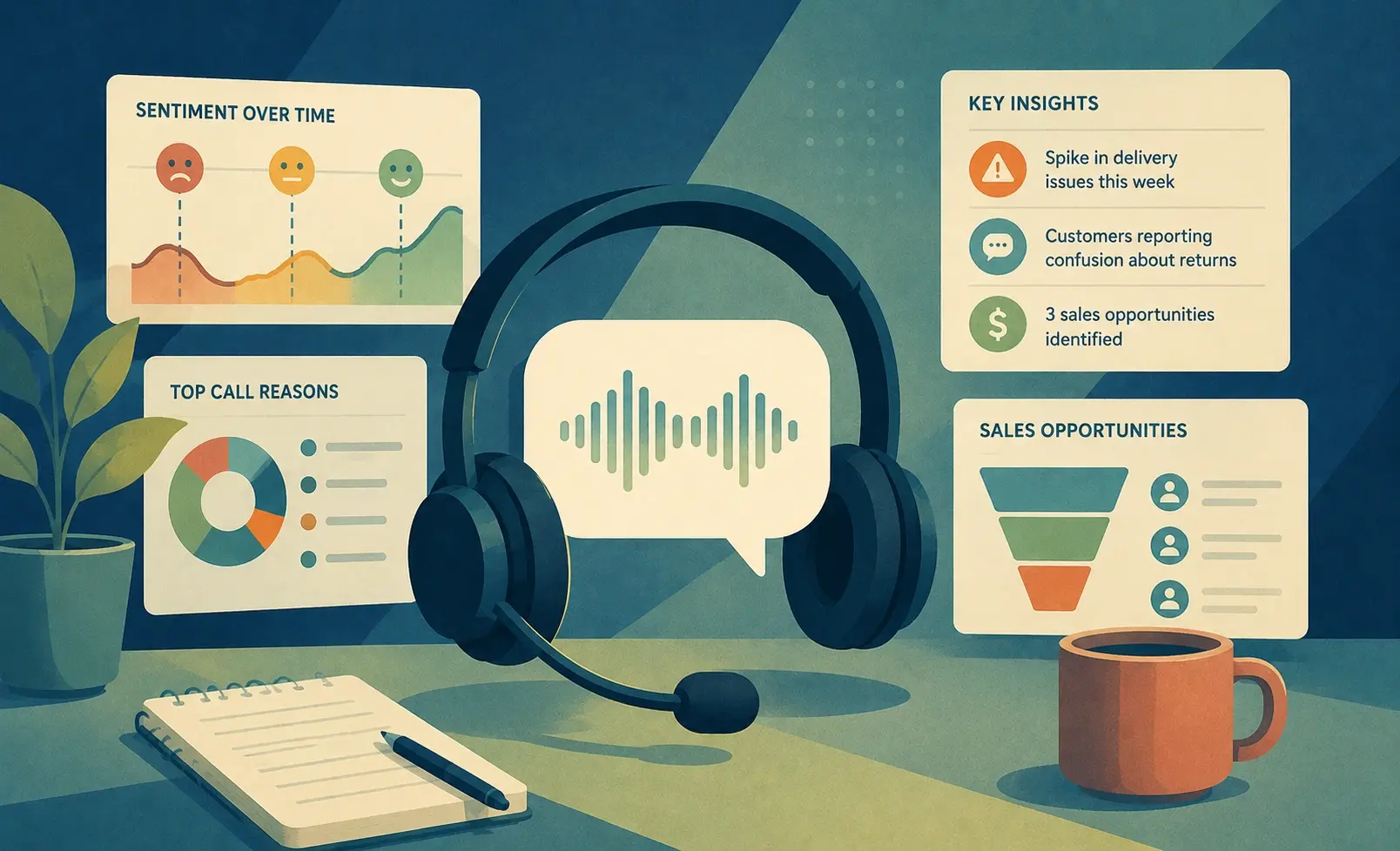
Automated call scoring is revolutionizing the way organizations approach coaching workflows, transforming traditional methods into dynamic, data-driven strategies. By leveraging advanced technologies, businesses can enhance their customer service capabilities, improve agent performance, and ultimately drive better outcomes. This guide outlines the strategic implementation of automated call scoring, emphasizing its role in creating effective coaching workflows that align with organizational goals.
What's Driving the Automated Call Scoring Revolution in 2025?
The landscape of customer service is rapidly changing, driven by heightened customer expectations and the demand for real-time feedback. Organizations are transitioning from basic call scoring tools to comprehensive coaching platforms that integrate artificial intelligence (AI) and machine learning. This evolution is characterized by:
- Next-Generation Organizations: These entities differentiate themselves by adopting integrated coaching workflows that utilize AI to analyze customer interactions, providing actionable insights that enhance agent performance.
- Data-Driven Coaching Strategies: The shift from manual, subjective evaluations to intelligent, data-driven coaching strategies allows organizations to measure performance metrics, predict outcomes, and automate feedback mechanisms.
- New Business Models: The integration of automated call scoring enables organizations to create competitive advantages, particularly in sectors like sales and customer support, where real-time data can inform strategic decisions.
Strategic Coaching Transformation Trends
The coaching industry is evolving beyond basic call evaluations, becoming a critical driver of performance improvement. Key trends include:
- Data-Driven Insights: Organizations are leveraging analytics to inform coaching strategies, ensuring that decisions are based on concrete data rather than intuition.
- Personalized Learning Paths: Tailoring coaching to individual agent needs enhances engagement and effectiveness, allowing for targeted skill development.
- Real-Time Feedback Mechanisms: Implementing instant feedback loops ensures that agents receive timely insights, fostering continuous improvement.
- Integration with CRM Systems: Seamless data flow between coaching platforms and CRM systems enables actionable insights that drive performance.
- AI-Powered Performance Predictions: Utilizing predictive analytics helps organizations foresee coaching outcomes, allowing for proactive adjustments.
- Continuous Improvement Frameworks: Establishing ongoing evaluation processes ensures that coaching strategies remain relevant and effective.
Examples of successful transformations can be seen in organizations that have adopted these trends, leading to improved agent performance and customer satisfaction.
Enterprise Scaling Through Automated Call Scoring vs Traditional Call Evaluation Methods
Traditional evaluation methods often create bottlenecks that limit organizational growth and hinder agent development. In contrast, intelligent automation enables scaling of coaching efforts without proportional increases in supervision or resources. This strategic reorientation allows organizations to shift from reactive coaching to proactive, data-informed strategies. Key benefits include:
- Mass Customization of Training: Enterprise coaching platforms facilitate tailored training solutions that align with business objectives.
- Operational Excellence: Enhanced reliability, velocity, and quality of coaching interactions lead to improved outcomes.
- Continuous Improvement: Leveraging data for ongoing optimization fosters a culture of excellence within the organization.
How Is Automated Call Scoring Reshaping Coaching Operations?
Traditional Operational Limits: Legacy call scoring systems constrain growth, consistency, and innovation in coaching practices, often relying on outdated metrics and subjective evaluations.
Technology-Enabled Transformation: Modern automated call scoring solutions are revolutionizing coaching by providing real-time insights and actionable data. For example, platforms like Insight7 utilize AI to analyze customer interactions, offering detailed performance metrics and coaching opportunities.
Operational Case Study: Consider a company that implemented automated call scoring. By analyzing 100% of agent calls, they identified specific areas for improvement, leading to enhanced performance tracking, actionable insights, and scalable training solutions. As a result, they experienced a significant increase in first call resolution rates and customer satisfaction scores.
Evolution from Basic Call Scoring to Intelligent Coaching Workflows
Basic call scoring without intelligent analytics creates limited value for coaching outcomes. Automated call scoring facilitates intelligent operational loops that promote continuous learning. This approach functions without manual oversight while maintaining strategic customization aligned with business goals. The benefits include:
- Predictive Optimization: Continuous, predictive optimization surpasses scheduled coaching sessions, leading to better agent performance.
- Strategic Outcomes: Organizations experience higher sales conversion rates and improved customer experiences as a result of data-driven coaching strategies.
What Are the Premier Automated Call Scoring Platforms for 2025?
Strategic Complexity: Organizations face sophisticated challenges once foundational automated call scoring is established, necessitating advanced capabilities.
Advanced Platform Response: Leading platforms address this complexity with features such as AI-driven insights and integration capabilities. Notable platforms include:
- Insight7: Specializes in advanced sentiment analysis and performance metrics.
- Level AI: Offers real-time coaching feedback and comprehensive performance dashboards.
- Gong.io: Provides in-depth conversation analytics and automated scoring capabilities.
Strategic Implementation Practices:
- Practice 1: Rollout and training should focus on user adoption and engagement.
- Practice 2: Integrate with existing systems to ensure seamless data flow.
- Practice 3: Measure success metrics to evaluate the effectiveness of coaching strategies.
Implementation Workflow:
- Define Key Performance Indicators (KPIs): Establish clear metrics for success.
- Select the Right Platform: Choose a solution that aligns with organizational needs.
- Train Staff on New Tools: Ensure all team members are proficient in using the new system.
- Achieve Measurable Increases in Coaching Effectiveness: Monitor progress and adjust strategies as needed.
Intelligence-Driven Coaching Strategy Development
Operational metrics alone do not enable strategic decision-making in coaching. Advanced automated call scoring platforms can analyze and predict outcomes to improve coaching effectiveness. Specific examples include:
- Identifying Skill Gaps: Platforms can highlight areas where agents need additional training, allowing for targeted interventions.
- Resource Optimization: Aligning coaching efforts with business goals enhances overall performance and market positioning.
Why Is Advanced Automated Call Scoring Critical for 2025?
The capability of automated call scoring has evolved to become strategically important in the coaching landscape. Cutting-edge platforms can now predict or optimize coaching outcomes, such as agent retention and performance improvement. Organizations leverage this capability for market differentiation, creating a competitive edge in customer service.
Maximizing Coaching Effectiveness Using Automated Call Scoring Intelligence
Strategic Innovation: The breakthrough application of automated call scoring technology in coaching workflows enhances overall effectiveness.
Predictive Strategy: Organizations can now anticipate coaching outcomes, such as agent performance trends, rather than merely analyzing past data.
Intelligence Generation: Automated call scoring technology creates strategic insights that inform coaching practices.
Strategic Deployment: Organizations utilize predictive intelligence to gain a market advantage, customizing training programs based on performance data.
Strategic Data Utilization for Competitive Coaching Outcomes
Strategic Intelligence Beyond Operational Data: Strategic intelligence is more valuable than operational metrics in coaching. Use cases include:
- Sentiment Analysis: Tailoring coaching sessions based on customer sentiment.
- Training Material Improvement: Leveraging call data to enhance training resources.
- Best Practices Development: Identifying top performers to create effective coaching strategies.
Strategic Dashboard Capabilities: Enterprise platforms enable strategic intelligence in coaching through features such as:
- Real-Time Performance Tracking: Monitoring agent performance in real-time.
- Customizable Reporting Features: Allowing for tailored insights based on specific needs.
- Integration with Learning Management Systems: Ensuring a cohesive approach to training and development.
Enterprise-Grade Automated Call Scoring Platform Requirements
Selection Complexity: Choosing an enterprise platform requires strategic evaluation beyond features, focusing on scalability and adaptability.
Strategic Platform Integration: Connecting strategic intelligence with operational execution enhances coaching workflows. Key requirements include:
- Compatibility with Existing CRM Systems: Ensuring seamless integration.
- User-Friendly Interface: Facilitating ease of use for coaches and agents.
- Robust Analytics Capabilities: Providing in-depth insights into performance.
- Support for Multi-Channel Interactions: Enabling comprehensive analysis across various communication channels.
- Compliance with Data Protection Regulations: Ensuring adherence to legal standards.
Enterprise Accessibility: Platforms must enable strategic access across organizational hierarchies to facilitate effective coaching.
Market Leadership Example: Insight7 exemplifies a strategic platform that differentiates itself through innovative use of AI in coaching.
Competitive Transformation: This evolution elevates automated call scoring from an operational tool to a strategic asset in coaching.
How Should Enterprises Evaluate Automated Call Scoring Platforms?
Strategic Assessment Framework: Organizations should evaluate enterprise-grade options in automated call scoring based on strategic requirements for 2025:
- Integration with AI Tools: Ensuring compatibility with advanced technologies.
- Scalability: Accommodating growing teams and evolving needs.
- Flexibility in Reporting and Analytics: Allowing for tailored insights.
- Support for Continuous Updates: Ensuring the platform remains current with industry trends.
- Strong Customer Support: Providing resources for successful implementation.
Enterprise Platform Leader: Insight7
Strategic Differentiators:
- Unique Features: Advanced sentiment analysis capabilities enhance coaching.
- Proven ROI: Demonstrated success in similar organizations.
- Strong User Community: Providing support and resources for users.
- Innovative AI Applications: Leveraging cutting-edge technology for coaching improvements.
Executive Frequently Asked Questions
Q: What is automated call scoring, and how does it enhance coaching?
A: Automated call scoring utilizes AI to analyze customer interactions, providing real-time insights that inform coaching strategies and improve agent performance.
Q: How can organizations implement automated call scoring effectively?
A: Successful implementation involves defining KPIs, selecting the right platform, training staff, and continuously measuring success metrics.
Q: How is the market for automated call scoring evolving?
A: The market is shifting towards integrated coaching platforms that leverage AI and machine learning to enhance customer service capabilities.
Q: What is the ROI of investing in automated call scoring for coaching?
A: Organizations can expect improved agent performance, increased customer satisfaction, and enhanced operational efficiency as a result of implementing automated call scoring.
Q: How does automated call scoring compare to traditional coaching methods?
A: Automated call scoring provides real-time data and insights, allowing for proactive coaching strategies that surpass the limitations of traditional methods.
Q: What are common challenges in adopting automated call scoring?
A: Potential hurdles include resistance to change, integration with existing systems, and ensuring staff are adequately trained on new technologies.
Executive Summary
Automated call scoring plays a pivotal role in enabling effective coaching workflows, focusing on strategic enablement rather than operational replacement. By leveraging advanced platforms, organizations can achieve improved agent performance and customer satisfaction, creating a competitive imperative for the strategic adoption of automated call scoring in coaching processes.