
5 Protocol Failures AI Detects in Safety Critical Communication Recordings
-
 Bella Williams
 - 10 min read

In safety-critical environments, effective communication is paramount. With the growing reliance on technology and the increasing complexity of operations, ensuring compliance with communication protocols has never been more vital. Failure to adhere to these protocols can lead to severe consequences, including safety incidents, regulatory penalties, and operational inefficiencies. This is where AI technology comes into play, providing organizations with the tools to detect protocol failures in real-time, thereby enhancing safety and compliance.
The Safety Critical Communications Challenge
In safety-critical industries such as rail, aviation, and healthcare, communication protocols are established to prevent misunderstandings that could lead to catastrophic outcomes. These protocols often include the use of specific language, confirmations, and structured messaging. However, traditional methods of monitoring compliance—such as manual reviews—are insufficient. They often result in:
- Limited Coverage: Manual reviews typically cover less than 5% of communications, leaving a vast majority unmonitored.
- Delayed Detection: Issues are often identified weeks or months after they occur, making it difficult to implement timely corrective actions.
- Lack of Visibility: Organizations struggle to monitor subcontractor communications, which can lead to compliance gaps.
As regulatory pressures increase, particularly with standards like Network Rail's NR/L3/OPS/301, organizations must find innovative solutions to ensure compliance and enhance safety.
Critical Failures AI Identifies
AI technology can analyze communication recordings to detect specific protocol failures that may compromise safety. Here are five critical failures that AI can identify:
Missing Phonetic Alphabet Usage: In safety-critical communications, the phonetic alphabet is essential for clarity. AI can flag instances where this protocol is not followed, which could lead to misinterpretations of critical information.
Lack of Repeat-Back Compliance: Repeat-backs are crucial for confirming understanding. AI detects when operators fail to repeat back instructions, signaling potential misunderstandings.
Ambiguous Language: AI can identify vague or unclear language that could lead to confusion. By flagging these instances, organizations can address communication clarity proactively.
Incomplete Protection Arrangements: Safety protocols often require specific arrangements to be communicated clearly. AI can analyze recordings to ensure that all necessary details are conveyed.
Unclear Authority Confirmations: In high-stakes environments, confirming authority is vital. AI detects when confirmations are ambiguous or missing, which could lead to operational risks.
By leveraging AI to monitor these critical areas, organizations can significantly enhance their communication compliance and safety protocols.
How AI Call Recording Analysis Works
Understanding how AI analyzes communication recordings is essential for organizations looking to implement this technology effectively. The process typically involves several key steps:
Step 1: Call Recording Capture
AI systems capture voice recordings from various sources, including mobile phones, VoIP systems, and control rooms. This comprehensive data collection ensures that all communications are monitored.
Step 2: Speech-to-Text Transcription
The captured audio is transcribed with over 95% accuracy, enabling the AI to analyze the text. This step includes recognizing industry-specific terminology and identifying multiple speakers.
Step 3: Protocol Analysis
The AI analyzes the transcribed text against established safety-critical communication protocols. It checks for adherence to phonetic alphabet usage, repeat-backs, message structure, and other critical elements.
Step 4: Scoring & Flagging
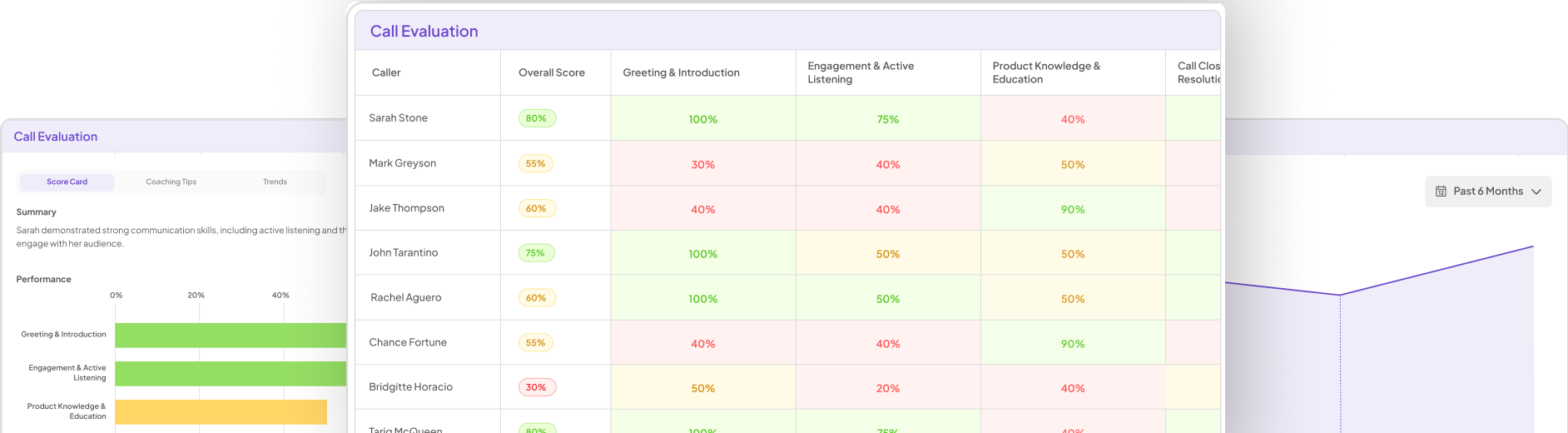
AI assigns compliance scores and flags any protocol violations. This scoring system helps organizations prioritize areas for improvement and training.
Step 5: Insights & Reporting
Finally, organizations receive detailed reports that highlight communication trends, compliance statistics, and training recommendations. This data-driven approach enables continuous improvement.
By implementing AI-powered call recording analysis, organizations can transform their safety-critical communication processes, ensuring compliance and enhancing operational safety.
Implementation & Integration
To successfully integrate AI into safety-critical communication monitoring, organizations should follow a structured approach:
Preparation:
- Define Scope: Identify which communications need to be recorded and monitored, including those from contractors and subcontractors.
- Select Technology: Choose an AI solution that meets your organization's specific needs, such as Insight7, which offers robust compliance monitoring features.
Execution:
- Deploy Recording Systems: Implement recording systems that capture communications across all devices, ensuring compliance with regulations like NR/L3/OPS/301.
- Train Staff: Provide training for staff on the new systems and protocols to ensure they understand the importance of compliance.
Evaluation:
- Monitor Performance: Regularly assess the effectiveness of the AI system in detecting protocol failures and improving compliance.
- Gather Feedback: Collect feedback from users to identify areas for improvement in both the technology and training processes.
Iteration & Improvement:
- Refine Processes: Continuously refine communication protocols based on AI insights and performance data.
- Update Training: Adapt training programs to address identified gaps and enhance staff competence in communication protocols.
By following this structured approach, organizations can effectively implement AI solutions that enhance safety-critical communication monitoring and compliance.
Conclusion
The integration of AI technology into safety-critical communication monitoring represents a significant advancement in ensuring compliance and enhancing safety. By detecting critical protocol failures, organizations can proactively address communication issues that could lead to serious incidents. As regulatory pressures increase, leveraging AI will not only help organizations meet compliance requirements but also foster a culture of safety and accountability. Embracing these technologies is essential for any organization committed to maintaining the highest standards of operational safety and compliance.