





Every hospitality business has a version of the same customer experience problem.
A handful of reps who are exceptional. Everyone else who is just getting by. And no real system to close the gap between them.
The majority of hospitality customer support teams have no structured coaching process in place, despite rep performance being one of the most direct drivers of guest satisfaction, retention, and revenue.
The top performers know it. The managers know it. And yet the gap keeps widening.
The Tick Box Training Trap
Most hospitality teams aren’t ignoring training. They have learning management systems, onboarding modules and e-learning courses that take two or three hours to complete.
What they don’t have is engagement.
Long video courses that feel like a compliance exercise don’t build skills. They build resentment. Employees click through, tick the box, and go back to handling customer calls exactly the way they did before.
The result is a support team where quality depends almost entirely on who picks up the phone. Some guests get someone brilliant. Others get someone who doesn’t know how to handle a complaint, can’t answer a question confidently, or doesn’t know how to recover a conversation going sideways.
That inconsistency is invisible in the aggregate metrics. But guests feel it every time.
When Intelligence Lives In One Person’s Head
Here’s how customer insight works in most hospitality businesses right now.
A manager builds a strong relationship with a client. The client mentions something in passing. The manager files it away mentally. Maybe it gets passed on. Usually it doesn’t.
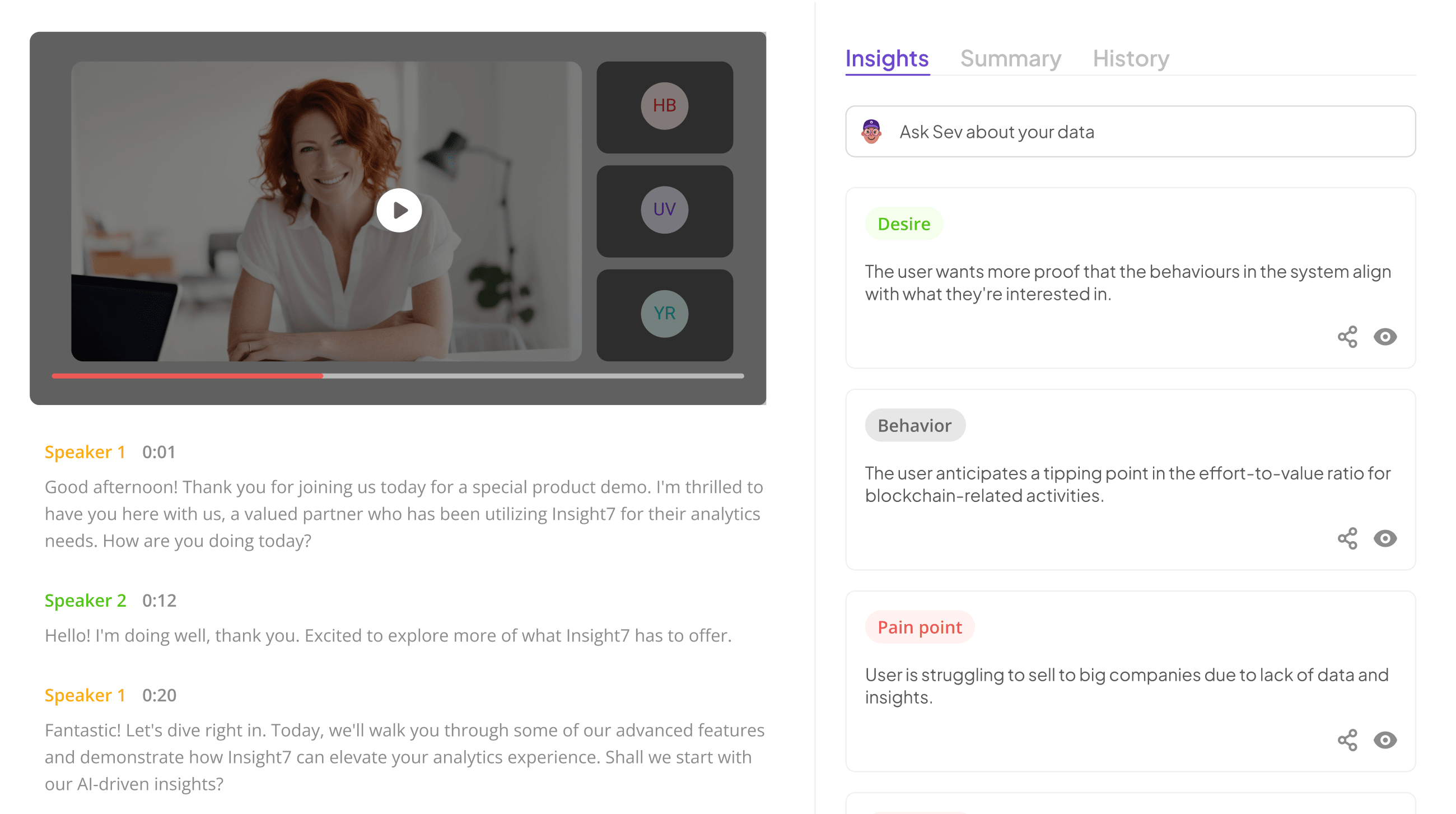
There’s no system capturing what customers are actually saying across hundreds of interactions every week. No way to identify patterns. No way to know what’s breaking until someone complains loudly enough for it to reach leadership.
The intelligence is very manual. A manager has a good relationship with a client, and through word of mouth, the client tells them something. There’s no actual data showing what’s breaking or where things need to be improved.
Acquisitions Make It Worse
Hospitality groups that grow through acquisition inherit two different cultures, two different training standards, and two different definitions of what good looks like.
Doubling headcount doesn’t double performance. It doubles inconsistency – unless there’s a deliberate effort to bring standards into alignment across the merged team.
Most don’t have the infrastructure to do that. The coaching processes that existed before the acquisition were already informal. Adding a second organisation into the mix with its own habits and its own gaps just compounds the problem.
The teams that navigate this successfully are the ones who treat the integration as an opportunity to build something better – not just absorb the new headcount into the same broken system.
What Consistent Customer Experience Actually Requires
Closing the gap between top performers and everyone else isn’t a training problem. It’s a visibility problem.
You can’t coach what you can’t see. And most hospitality managers have almost no visibility into what’s actually happening on customer calls at scale. They know the metrics – handle time, resolution rate, CSAT scores. But they don’t know why one rep consistently outperforms another, or what specifically a struggling rep is doing differently on calls.
The businesses getting this right have stopped treating coaching as a one off event and started treating it as a continuous process tied to real data. They know which rep struggles with complaints. They know which ones lose confidence on pricing conversations. And they build coaching around those specific moments – not a generic training module that applies to everyone and nobody.
That’s when performance stops varying by whoever picks up the phone.
The Bottom Line
Hospitality customer experience lives or dies on the quality of human interaction. And right now, for most teams, that quality is inconsistent, unmeasured, and left almost entirely to chance.
The data to fix it exists. It’s in every customer call that gets recorded and forgotten.