De-escalation AI Roleplay: Customer Crying from Frustration
-
 Bella Williams
 - 10 min read

Introduction to De-escalation AI Roleplay: Addressing Customer Frustration
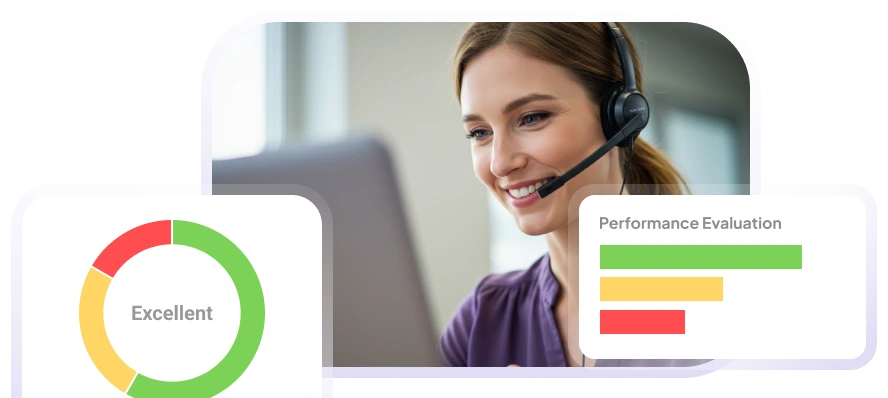
In today's fast-paced customer service landscape, addressing customer frustration effectively is crucial for maintaining loyalty and satisfaction. De-escalation AI roleplay offers a transformative approach to training teams in handling emotionally charged situations, such as when a customer is crying from frustration. By simulating realistic interactions, AI-powered platforms enable employees to practice empathy, active listening, and conflict resolution in a safe environment, allowing them to refine their skills without the pressure of real-world consequences.
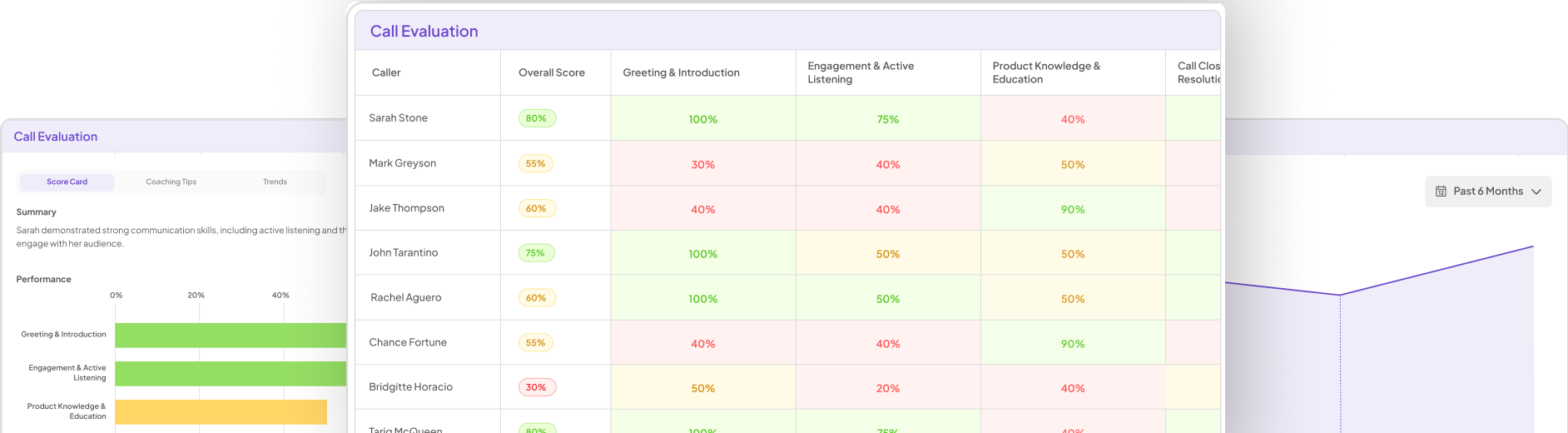
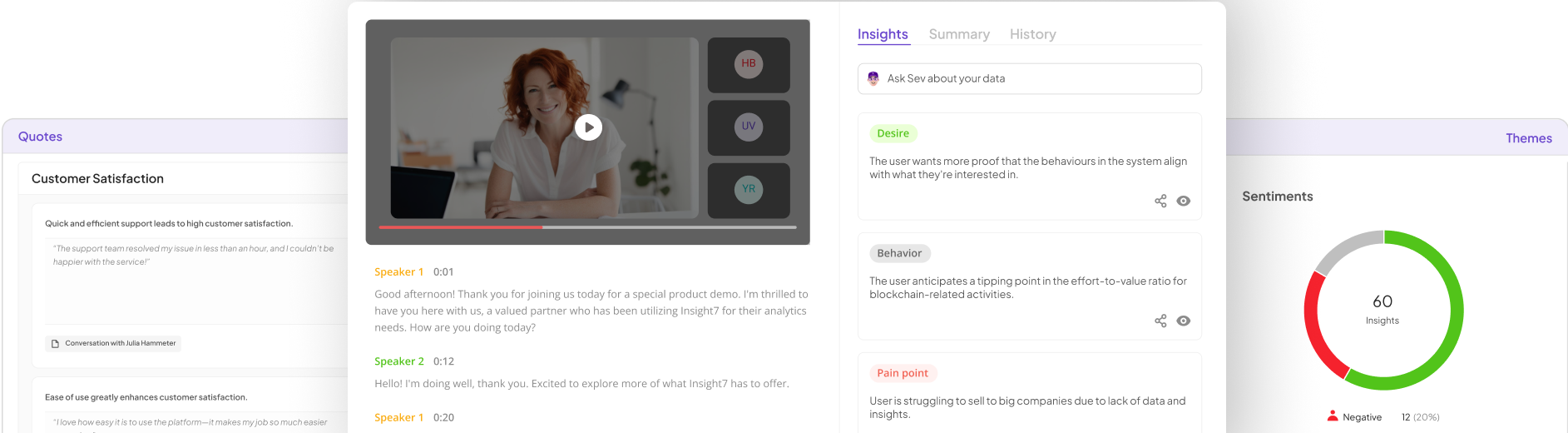
This innovative training method not only enhances individual competencies but also fosters a culture of continuous improvement within organizations. As teams engage in AI-driven roleplay scenarios, they gain valuable insights into their communication styles and receive personalized feedback. This data-driven approach empowers employees to develop the emotional intelligence necessary to navigate difficult conversations, ultimately leading to improved customer experiences and stronger relationships.
Scenario: Handling a Customer Crying from Frustration with AI Roleplay
Scenario: Handling a Customer Crying from Frustration with AI Roleplay
Setting:
This scenario unfolds in a customer service call center, where agents handle various customer inquiries and complaints. The environment is typically fast-paced, with agents multitasking between calls and system updates.
Participants / Components:
- Customer Service Agent: The employee responsible for addressing customer concerns and providing solutions.
- AI Roleplay System: An advanced AI platform that simulates customer interactions, adapting in real-time to the agent's responses.
- Customer Persona: A simulated customer experiencing frustration, leading to tears during the interaction.
Process / Flow / Response:
Step 1: Active Listening
The agent begins the conversation by allowing the customer to express their feelings without interruption. This step is crucial as it helps the customer feel heard and validated, reducing their emotional burden.
Step 2: Empathetic Response
Once the customer has shared their frustration, the agent responds with empathy. Phrases like "I can see how this situation is upsetting for you" help to acknowledge the customer's feelings and build rapport.
Step 3: Problem-Solving Approach
The agent then shifts to a problem-solving mode, asking clarifying questions to understand the root of the issue. The AI roleplay system provides real-time feedback on the agent's tone and choice of words, guiding them to maintain a calm and supportive demeanor.
Outcome:
The expected result is a de-escalated situation where the customer feels understood and supported. By the end of the interaction, the customer is likely to feel more at ease, and the agent gains valuable experience in handling emotionally charged conversations effectively. This practice not only enhances the agent's skills but also improves overall customer satisfaction and loyalty.
Frequently Asked Questions on De-escalation Techniques in Customer Service
Q: What is de-escalation AI roleplay?
A: De-escalation AI roleplay is a training method that uses artificial intelligence to simulate customer interactions, allowing employees to practice handling emotionally charged situations, such as customers crying from frustration.
Q: How does AI roleplay improve customer service skills?
A: AI roleplay provides a risk-free environment for employees to practice empathy, active listening, and conflict resolution, receiving real-time feedback on their communication styles and effectiveness.
Q: Can AI roleplay help with emotional intelligence development?
A: Yes, AI roleplay enhances emotional intelligence by allowing employees to engage with simulated customers, helping them recognize and respond appropriately to emotional cues in real-time.
Q: How quickly can employees see improvements in their skills?
A: Employees typically experience measurable improvements within 2-4 weeks of engaging in AI roleplay training, with many reporting increased confidence in handling difficult conversations.
Q: Is AI roleplay suitable for all levels of staff?
A: Absolutely! AI roleplay is beneficial for both new hires and experienced staff, offering tailored scenarios that address specific skill gaps and enhance overall communication effectiveness.
Q: What kind of feedback do participants receive from AI roleplay?
A: Participants receive personalized, data-driven feedback based on their conversational behaviors, including assessments of empathy, clarity, tone, and goal alignment, which helps them identify strengths and areas for improvement.