In today’s fast-paced digital era, businesses are continuously seeking efficient methods to transform insights into impactful whitepapers. AI-Powered Whitepapers Creation stands at the forefront of this evolution, providing innovative tools that simplify the writing process. By harnessing advanced algorithms, organizations can effortlessly analyze user testing interviews, extracting meaningful data that feeds directly into compelling narratives.
This process not only automates data analysis but also enhances the clarity and structure of the final document. By integrating AI into whitepaper development, companies can ensure that their messages resonate with audiences, providing them with actionable insights grounded in real user experiences. Ultimately, AI-Powered Whitepapers Creation transforms essential feedback into valuable reports that inform decision-making and drive strategic planning.
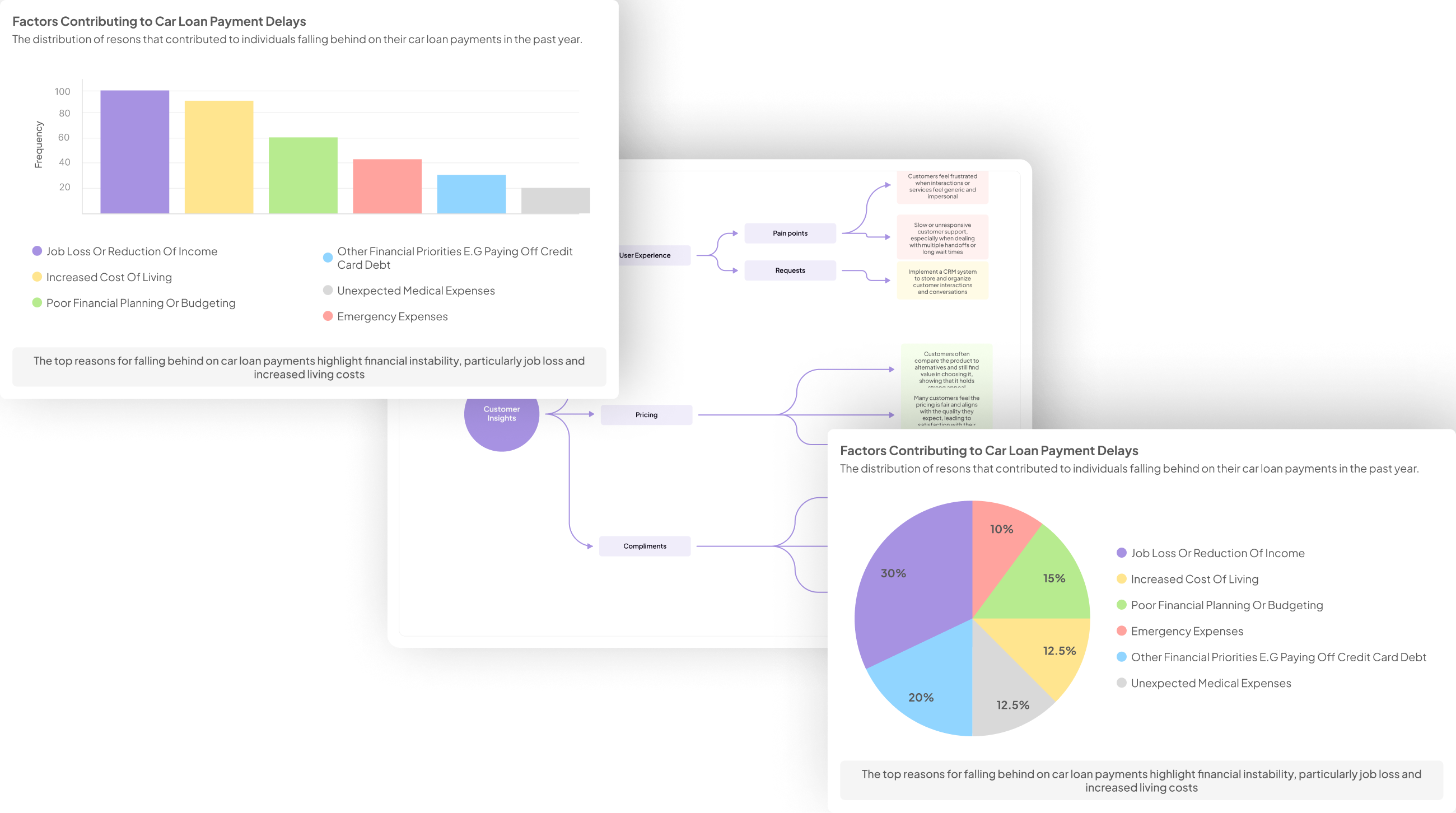
Understanding the Role of AI in Whitepaper Creation
Artificial Intelligence has emerged as a transformative force in crafting whitepapers, particularly those derived from user testing interviews. When we talk about AI-powered whitepapers creation, we’re referring to the way sophisticated algorithms analyze data, providing insights that were once time-consuming to extract. By interpreting user feedback with precision, AI tools help writers create compelling narratives that resonate with their target audience, ensuring the whitepaper is both informative and engaging.
In this landscape, AI serves multiple functions—from automating data analysis to streamlining content structure. It allows creators to focus on the strategic aspects of writing rather than getting bogged down by countless data points. In doing so, it elevates the quality and coherence of whitepapers, making them essential resources for communicating valuable findings and insights drawn from user interactions. Ultimately, understanding the role of AI in whitepaper creation can significantly enhance the ability to produce effective and impactful documents.
Automating User Testing Data Analysis with AI-Powered Whitepapers Creation
Automating user testing data analysis is a transformative step in crafting AI-powered whitepapers. By leveraging advanced AI tools, businesses can swiftly analyze customer interviews, uncovering valuable insights without extensive manual effort. This approach not only streamlines the process but ensures that the resulting whitepapers accurately reflect user experiences and needs.
The automation process begins by collating user testing data into a digital library. Here, AI algorithms can transcribe conversations, extract key themes, pain points, and desires, and present them in an organized manner. As a result, even team members without technical expertise can access and interpret data. This democratization of insights is crucial, as it encourages diverse perspectives in shaping the content of whitepapers. By harnessing AI-powered whitepapers creation, organizations can create detailed, insightful documents that drive strategic decision-making and foster a deeper understanding of their users.
Streamlining Content Structure with AI Tools
AI-Powered Whitepapers Creation often involves myriad tasks that can become overwhelming, especially when processing qualitative user testing data. By utilizing AI tools, businesses can effectively streamline the content structure, ensuring coherence and clarity in their whitepapers. This process facilitates the transformation of raw interview data into organized insights, ultimately saving valuable time and improving the quality of the output.
One significant advantage of using AI tools is the ability to analyze vast amounts of data quickly. These tools can categorize information, pinpoint pain points, and highlight emerging themes. Furthermore, by visualizing transcripts and replies, teams can easily identify key insights for their whitepapers. As a result, the AI effectively serves as an ally, enabling businesses to create compelling narratives that are both data-driven and user-centric. This synergy between user feedback and AI capabilities leads to a more efficient and impactful whitepaper creation process.
Top AI Tools for Whitepapers from User Testing Interviews
Creating AI-powered whitepapers from user testing interviews involves utilizing various innovative tools to streamline the process. By effectively gathering insights, these tools ensure that the whitepapers generated are not only informative but also engaging. The integration of user feedback into the content creation process enhances the relevance and impact of the whitepaper.
Several leading AI tools stand out in this realm. For instance, Insight7 allows users to compile and analyze data from numerous interviews, transforming them into actionable insights. OpenAI's ChatGPT excels in crafting comprehensive outlines based on user input, making it easier to structure content efficiently. VWO further enhances the interpretation of user feedback, ensuring that the voice of the customer is embedded throughout the document. Survicate serves to bridge the gap between raw data and compelling narratives, turning analysis into engaging stories that resonate with readers. These tools empower users to create impactful whitepapers that reflect genuine customer insights, thus elevating the quality and effectiveness of their content.
Insight7: Revolutionizing AI-Powered Whitepapers Creation
AI-Powered Whitepapers Creation is transforming how businesses compile insights from user testing interviews. The integration of advanced AI tools facilitates the analysis of vast amounts of qualitative data, enabling authors to extract key themes and patterns effortlessly. This technology democratizes access to insights by allowing anyone within an organization to generate actionable whitepapers without extensive training.
The process starts with capturing raw interview data and quickly transitions into meaningful reports. AI tools can identify pain points, desires, and behavioral trends within user feedback. By synthesizing these insights, organizations can craft whitepapers that resonate with their audience and address critical issues head-on. Moreover, visual interfaces present the information in an easily digestible format, supporting decision-makers in developing effective strategies grounded in authentic customer experiences. Ultimately, AI-Powered Whitepapers Creation not only enhances productivity but also elevates the overall quality of content produced.
OpenAIs ChatGPT: Crafting Comprehensive Outlines
In the realm of AI-Powered Whitepapers Creation, effectively crafting comprehensive outlines is crucial for organizing thoughts and presenting findings clearly. Outlines serve as the backbone of whitepapers, ensuring that all critical points derived from user testing interviews are documented in a structured manner. By leveraging AI, creators can automate the outline generation process, transforming raw data into coherent frameworks.
First, ChatGPT enhances the whitepaper writing journey by synthesizing vast amounts of user feedback and insights into organized sections. This tool excels at generating outlines that reflect key themes and patterns, ensuring that no vital information is overlooked. Next, it enables users to adapt these outlines seamlessly as new data emerges, keeping the documents relevant and focused. With AI's assistance, crafting comprehensive outlines becomes less daunting, making it easier to communicate complex ideas and insights effectively.
VWO: Enhancing Interpretation of User Feedback
Analyzing user feedback is crucial for creating impactful whitepapers, particularly when drawing from user testing interviews. One effective approach involves employing AI tools that can enhance the interpretation of this feedback. By utilizing advanced analytics, users are able to distinguish between positive and negative sentiments expressed by interviewees. This clarity allows for better decision-making in product development and revisions.
Furthermore, visualization of data can reveal patterns and insights that might otherwise remain hidden. Statistically analyzing various feedback types encourages informed strategies for addressing user concerns and improving product features. Relying on AI not only streamlines this process but also ensures that insights derived are authentic and actionable. Such enriched interpretation transforms raw feedback into valuable insights, positioning creators to produce AI-powered whitepapers that resonate effectively with their audience.
Survicate: Bridging the Gap Between Data and Narrative
Survicate plays a pivotal role in translating raw user feedback into compelling narratives. By utilizing advanced algorithms, it distills complex user data, uncovering essential patterns and insights that shape persuasive whitepapers. This process humanizes the data, bringing voice to the users behind the numbers and creating a cohesive narrative that resonates with stakeholders.
The platform enables professionals to efficiently analyze user testing interviews, categorizing key themes and pain points. This functionality not only streamlines the report creation phase but also highlights the most critical findings relevant to the audience. Thus, Survicate effectively bridges the gap between data and narrative, ensuring that AI-Powered Whitepapers Creation is both insightful and engaging, driving informed decisions based on real user experiences. This transformation from data point to story is invaluable in crafting documents that influence and inform strategies.
Conclusion: The Future of AI-Powered Whitepapers Creation
AI-Powered Whitepapers Creation is poised for transformative growth as organizations increasingly embrace advanced technologies. These tools not only streamline the process of generating critical documents but also enhance the accuracy of insights derived from user testing interviews. As AI continues to evolve, we expect to see a rise in more sophisticated capabilities, enabling deeper analysis and more compelling narratives that resonate with target audiences.
The future will likely see the integration of AI solutions that support ongoing customization and real-time data updates, allowing for continuous improvement in whitepaper quality. This shift towards AI-Powered Whitepapers Creation signifies a commitment to effective communication and knowledge sharing, ensuring businesses can stay ahead in an ever-competitive landscape. Embracing these technologies will ultimately lead to higher efficiency and more impactful outcomes.